
People and Pets... Better Together!
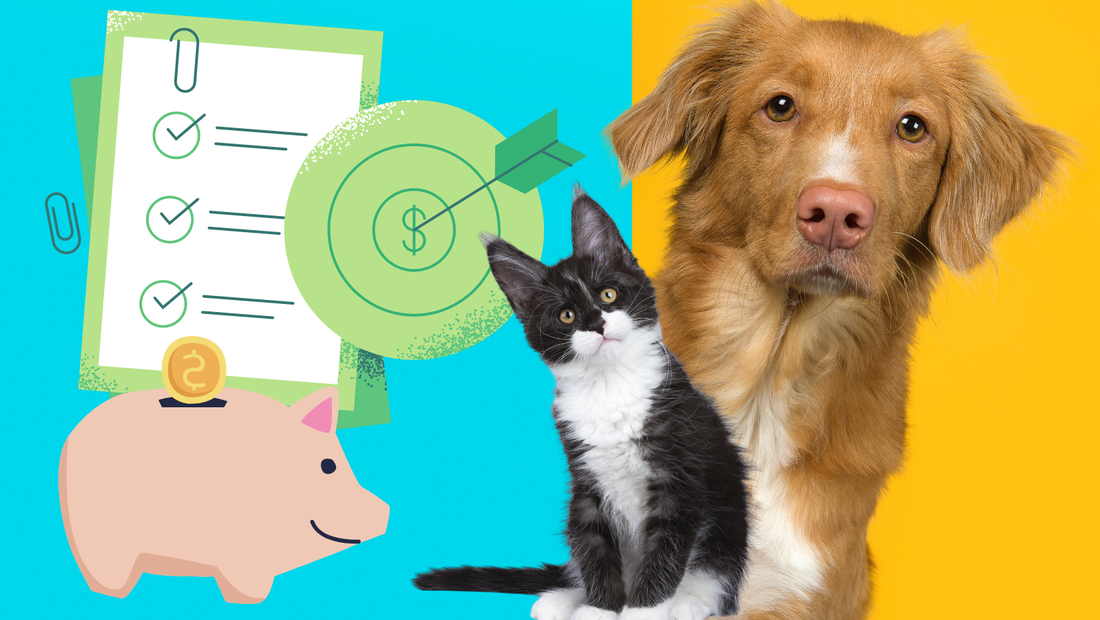 A CHALLENGING Side to Holiday cheerAlthough generally a time of celebration and cheer, the Holiday season can also pose challenges for those with limited resources. Rampant inflation and a steadily escalating cost of living crisis, have ensured that many households across the country will find the joy of the season tempered by financial strain. The pressures of having to buy gifts, host meals and possibly make costly journeys to visit loved ones (even a couple of trips across town can cause a crunch given soaring gas prices) quickly multiply. Even those with relatively stable finances can find themselves buckling towards the end of the year. At times of economic uncertainty, pets and their owners undoubtedly feel an extra pinch. An animal, no matter how beloved, is still another mouth to feed, another element in the scramble to sufficiently allocate resources. The cultural expectation of joy only adds to this pressure. Nobody wants to miss out on the fun, or feel that they are failing to provide for their loved ones, furry or otherwise. The need to stay within a tight budget while ticking even the basic boxes can be challenging, to say the least. Thankfully, strategic planning and creative thinking, make it possible for pet owners, even those working with lower incomes, to save money while ensuring that their animals enjoy a stand-out Holiday Season. Here are some practical ideas to help save money on pet care and supplies. 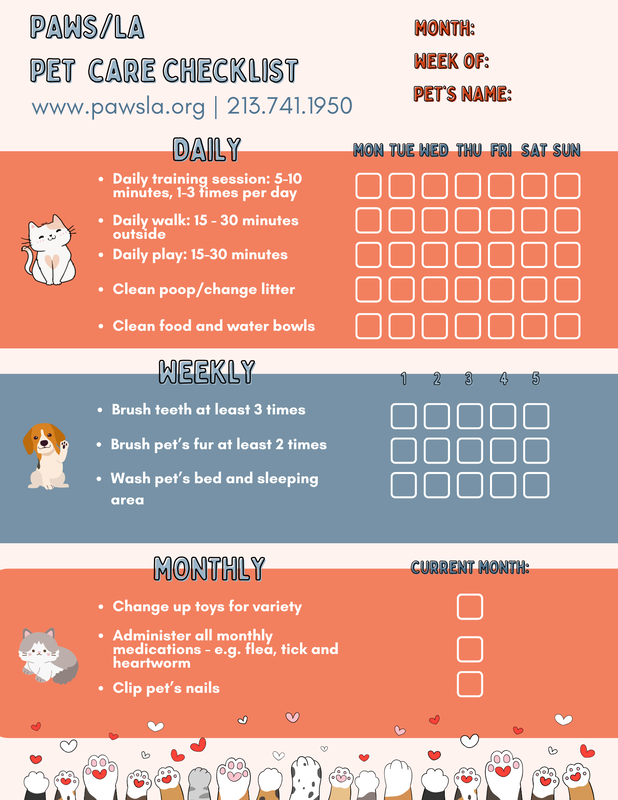 Design by Ryan Hilary - copyright PAWS/LA: Click me for printable PDF First Thing’s First: Remember What’s Most ImportantWhile not a money-saving hack, or gift suggestion, this point is worth stating regardless: Put the essential needs of your pets first. Don’t let the financial pressures of the season prevent you from caring for your animals with the same attention and dedication you give them year-round. For example, make sure you meet their nutritional needs before buying them that new toy. It’s not worth swapping the quality of your pet’s essential care, even temporarily, for some fancy seasonal luxury that will probably be forgotten come January 1st. Finally, remember that the best thing you can do for any loved one (really the only thing that matters) is to give them your love and attention. Quality time and play is worth more than any toy or treat. 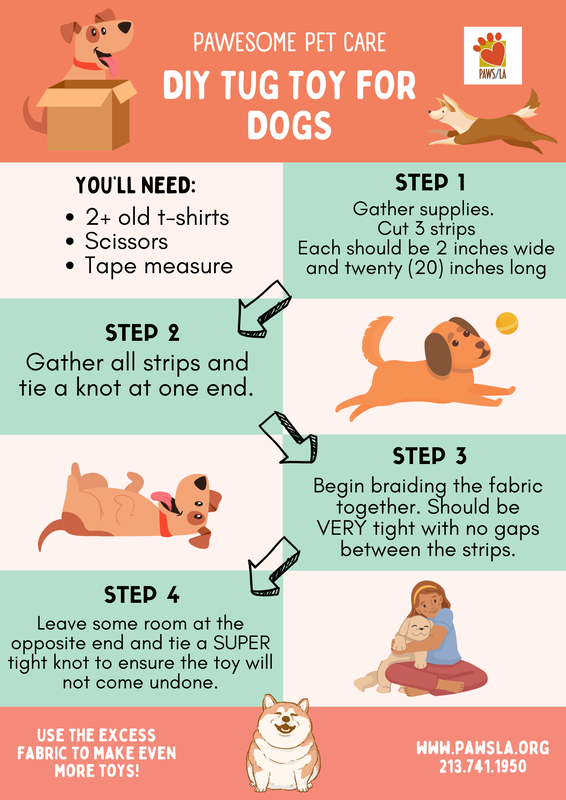 Image by ryan hilary - copyright paws/la: CLICK ME FOR PRINTABLE PDF Do It Yourself! Homemade Treats and ToysIn my family, homemade gifts get a far better reception than those purchased in a store. After all, it takes considerably more time and effort to make something than it does to simply purchase or order it. Not that there’s anything wrong with spending money on your pets, but nothing you can buy will equal the thoughtfulness of a gift made by hand; something one-of-a-kind, which stands out from the offerings of an oversaturated consumer landscape. Since food is a huge part of many holiday traditions, consider making homemade pet treats with simple, budget-friendly ingredients. You can also use the prep and baking time as an opportunity to bond with your pet. Involving them in the process becomes a gift in itself. Check this list of recipes for ideas, or look online for a plethora of additional options. Besides delicious edible treats, DIY pet toys can be crafted from common household items, providing entertainment for your animals at a minimal cost. For example, a stuffed sock or small bell tied to the end of some string can provide your cat with hours of entertainment. For dogs, consider tying up srips of old t-shirt fabric to make a low-cost tug toy. As with food recipes, the internet is a treasure trove of potential DIY gifting options, many of which encourage using recycled materials: good for your pet, good for the planet! To get you started, this video shows how to make a DIY catnip toy for that special feline in your life. 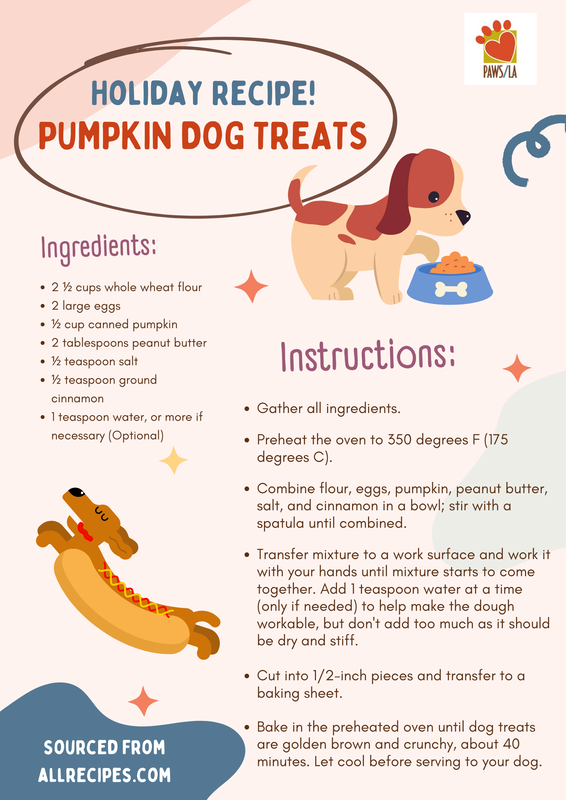 Design by ryan hilary - copyright paws/la - recipe courtesy of allrecipes.com Smart Spending: Budget-Friendly Gift IdeasIf you don’t have time to go the DIY route, there are still ways to save money on purchased items. A variety of smartphone apps function as discount aggregators, compiling deals and coupons from across the web and incorporating them into a simple, easy-to-access list with direct links to the source of the discount. While these may not be pet-specific, many of the featured retailers stock animal supplies as part of their general inventory. You should also look for sales, discounts, and clearance items at local pet stores. Consider signing up for a consumer loyalty program that rewards you with points for consistently shopping at the same store or franchise. These discounts quickly add up. Finally, remember that you can repurpose everyday human items as pet-friendly gifts. A discount blanket, for example, can be transformed into a cozy bed for your furry friend. Including these items makes it easier to find a good deal. 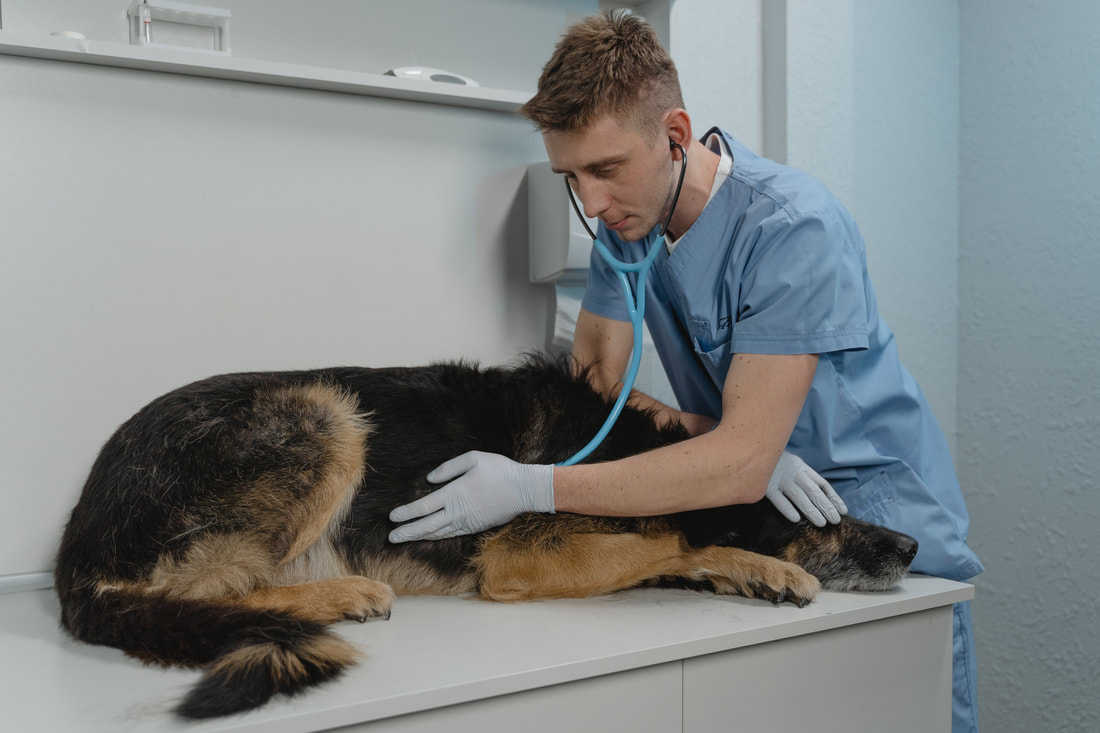 Photo by Tima Miroshnichenko: from pexels.com Damage Control: Researching Discounted Veterinary Services can Save You ThousandsVeterinarian services are by far the most financially burdensome of all pet-related expenses. Even basic procedures can end up emptying your savings in a blink. In many locations, the Winter months carry additional health risks such as canine flu, or accidents related to extreme weather conditions. No matter how tight your budget is, vet care comes first. Don’t delay treatment just to get through the holidays. If your pet does end up needing a procedure, research local clinics or animal welfare organizations that offer discounted or low-cost services. Some of these may organize special events or clinics where pet owners can access essential services or free, or at a reduced price.  Photo by Helena Lopes: from pexels.com You Don’t Have to Do This Alone: Community Support and NetworkingThe kinds of resources available, and challenges faced, will vary from community to community. What works in one city might be ineffective or unavailable in another. Reach out to local pet care clubs or online forums to connect with animal owners who may be facing similar financial challenges. Sharing resources, tips, and even organizing swaps for pet supplies can help low-income pet owners support each other during the holiday season. Facebook is an effective platform for finding such groups. Of course, always exercise caution with your online dealings, being wary of scams, and mindful of where and how you share personal information. 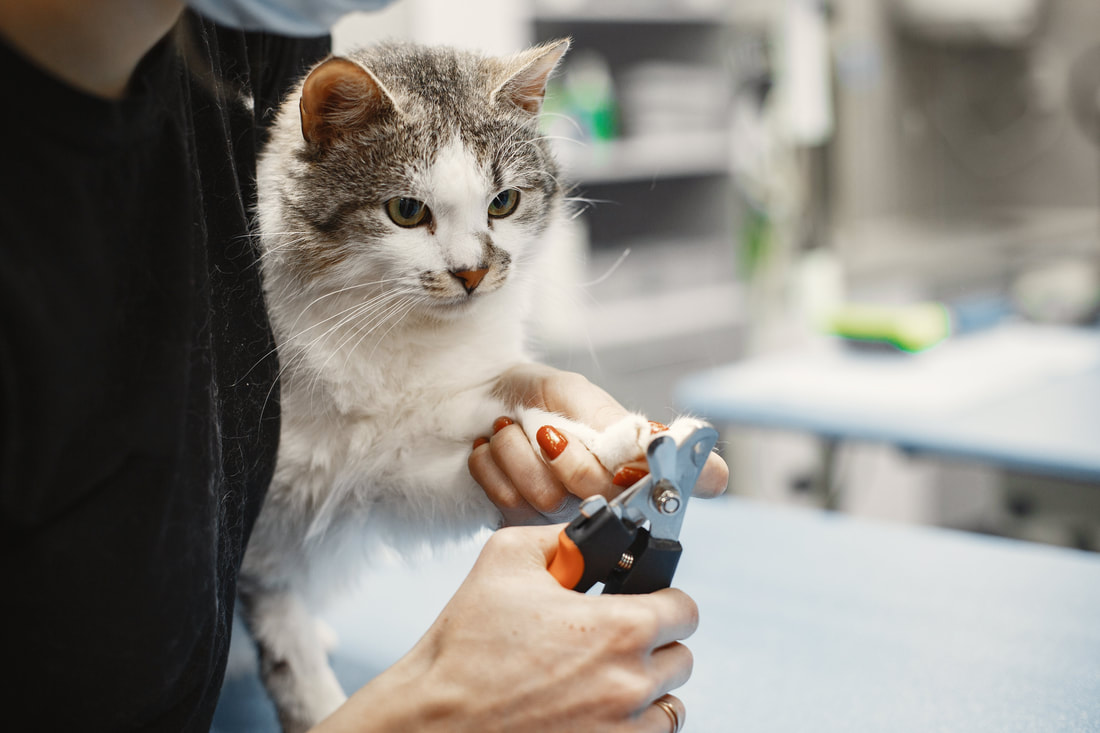 Photo by Gustavo Fring: From Pexels.com DIY Grooming: Beautify your beast!With a bit of patience and the right tools, you can skip expensive trips to professional pet salons and handle basic grooming tasks at home. Invest in budget-friendly supplies, such as nail clippers and brushes, and take the time to beautify your pets yourself. Not only does this save money, but it also strengthens the bond between you and your furry friend. Who knows, you might even discover a passion for the art! As with everything in the modern world, you don’t have to take the DIY grooming journey alone. A plethora of online guides exist to demystify the process. YouTube is the best platform for video tutorials, while websites like WikiHow offer step by step text instructions. Of course, this doesn’t mean you need to suspend professional services indefinitely. An outing to an animal salon remains one of life’s true pleasures.  Photo by cottonbro studio: from pexels.com Embrace Second-Hand BargainsJust as there are thrift stores for human items, second-hand markets and online exchange platforms offer gently used pet supplies at a steep discount. From beds to toys, exploring second-hand options can help you provide for your pets without straining your budget. Facebook Marketplace is a good place to start looking for used goods in your area. Craigslist can also work. Again, watch out for scams and exercise due caution when conducting any monetary transaction. When it comes to certain items, such as blankets or beds, make sure you carefully treat and sterilize each new item to avoid bringing fleas (or worse) into your house. But don’t be squeamish. Those of us who shop second hand can testify to the kind of quality bargains that await those with the patience to search.  Photo by Vlada Karpovich: From PEXELS.COM Don’t Dilly or Dally: Plan and Budget AheadPlanning is key to managing expenses. Create a budget that includes your pet-related expenses and stick to it. I repeat: Stick. To. It. Do your shopping as early as possible. When things get busy, a last-minute scarcity of essential items can drive up prices. Bear in mind that any online deals will need time to pack and ship. By planning ahead, you can avoid impulsive purchases and ensure that you meet your pet's needs without overspending.  Photo by Zen Chung: From Pexels.com Help is Available While the current socio-economic climate can seem indifferent, even hostile to people's everyday struggles, it's important to remember that a sturdy support network remains available to help both individuals and communities navigate difficult times. PAWS/LA is one of several organizations that exists to assist qualifying low-income pet owners in Los Angeles County, providing free food and supplies as well as volunteer services and vouchers for emergency veterinarian procedures. Alongside our organization, a variety of other programs offer further options for those in need. If one group is unable to meet your specific needs, another may be able to step in instead. Thankfully, pet care charities such as PAWS/LA operate in many cities and jurisdictions outside of L.A. County, and a few even function on a national level. A quick Google search can connect you with the support programs closest to you. If that doesn’t work, try reaching out to local animal shelters, pet food banks, or community programs, especially those positioned to fight homelessness and poverty. At the very least, these groups should be able to give you a list of nearby resources and point you in the right direction. Case and social workers are also great sources of valuable information. The precise services offered will vary from group to group. Overall, this process can require some digging. Try and assume an attitude of persistence as you explore your options and determine the programs that you qualify for; don’t give up at the first hurdle!  Everything You Need is Right in Front of You: Parting Words in the Form of a Well-Intentioned HomilyThe Holidays don’t need to overwhelm low-income pet owners. By adopting a thrifty mindset, embracing creativity, and tapping into community resources, you can keep your budget intact AND ensure that your pets get a healthy dose of seasonal joy. It can be difficult, but try not to get in your head about things. Stay on guard against unhealthy expectations. Consumer culture bombards us with messages equating joy with abundance, and our capacity for happiness with our ability to consume. Love quickly becomes a material proposition, with expressions of affection reduced to a state of mere transaction. To succumb to such messages would be to miss the point of the season. Forfeiting authentic joy in the pursuit of an artificial ideal is a real holiday tragedy. Quite simply, everything we need is already in front of us. The most valuable gifts we can give our pets are love, attention, and care--all of which come at no cost. If we provide these, we can safely say our Holiday Season was a time of abundance, and that we went above and beyond to provide for our beloved animals. Sure, the toys are nice; sure, it’s fun to own stuff. But at the end of the day, nothing you can buy beats a wagging tail or sniffly, wet-nosed kiss on a cold day. 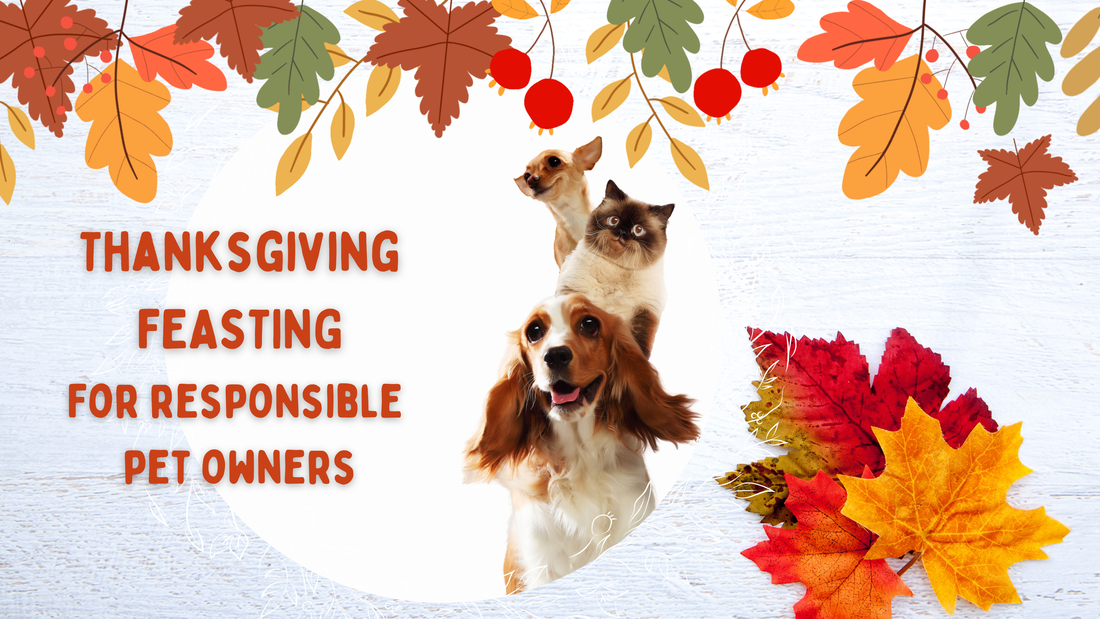 Ryan Hilary for PAWS/LA Following our general holiday safety post, this week we’re going to dive a little deeper into issues surrounding food, looking at popular Thanksgiving dishes that can that pose a risk to your pet, and suggesting delicious alternatives so that you can prepare a fantastic feast for animals and humans alike! After all, food is a HUGE part of Thanksgiving tradition, with the whole holiday centered around a single meal. Given that most of us are extremely grateful to have our furry (or scaled, or feathered) friends in our lives, it would be criminal to exclude them from the festivities. Thankfully, there are plenty of easy-to-prepare, pet-friendly dishes to choose from. With a little mindfulness, we can avoid dangerous holiday staples, providing our pets with a feast they’ll never forget (well, at least not for a few hours). First, let’s start with some dishes to avoid over the thanksgiving Holiday. The last thing we want is a sick pet; or worse, an expected trip to the vet or animal emergency room! Stay Safe by Avoiding These Foods:  Bones and Bits: Perilous Poultry A huge roasted turkey usually makes up the centerpiece of the Thanksgiving table—the bigger the better, with enough leftovers to feed a small army. Unfortunately, poultry bones can pose a significant threat to pets. Small or splintered pieces are a choking hazard and can cause gastrointestinal blockages or perforations in the digestive tract. If you plan on including turkey in your animal’s Thanksgiving meal, make sure you’ve thoroughly combed it for bones, watching for small fragments that might not be easily visible to the human eye. This article outlines the signs of choking in pets, and describes what you can do to administer first aid. 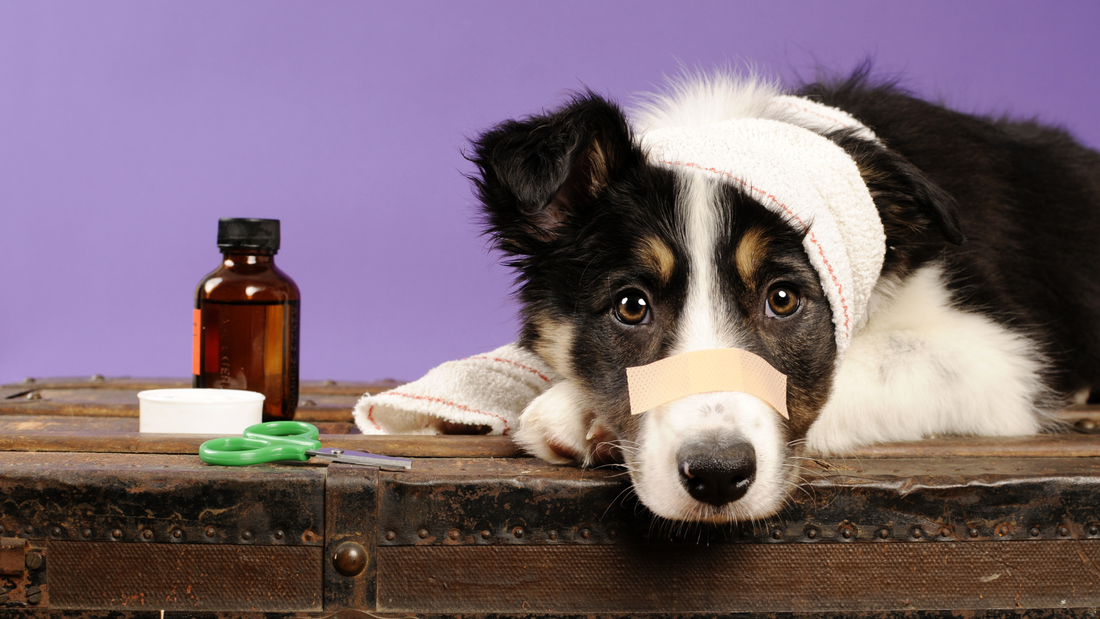 Rich and Fatty Foods Are No Good for PetsMany Thanksgiving staples are a true treat (and cheat) for humans. We give ourselves a temporary pass to indulge our more decadent impulses, at least for the weekend. Rich, fatty foods like gravy, buttery mashed potatoes, and casseroles might be a treat for us, but they can wreak havoc on our pet's digestive system. They might even lead to pancreatitis, a painful and potentially life-threatening condition that requires extensive (and expensive) treatment. Symptoms include vomiting, diarrhea, and abdominal pain. Opt for pet-friendly treats or plain cooked vegetables as a safe alternative for your furry companions. 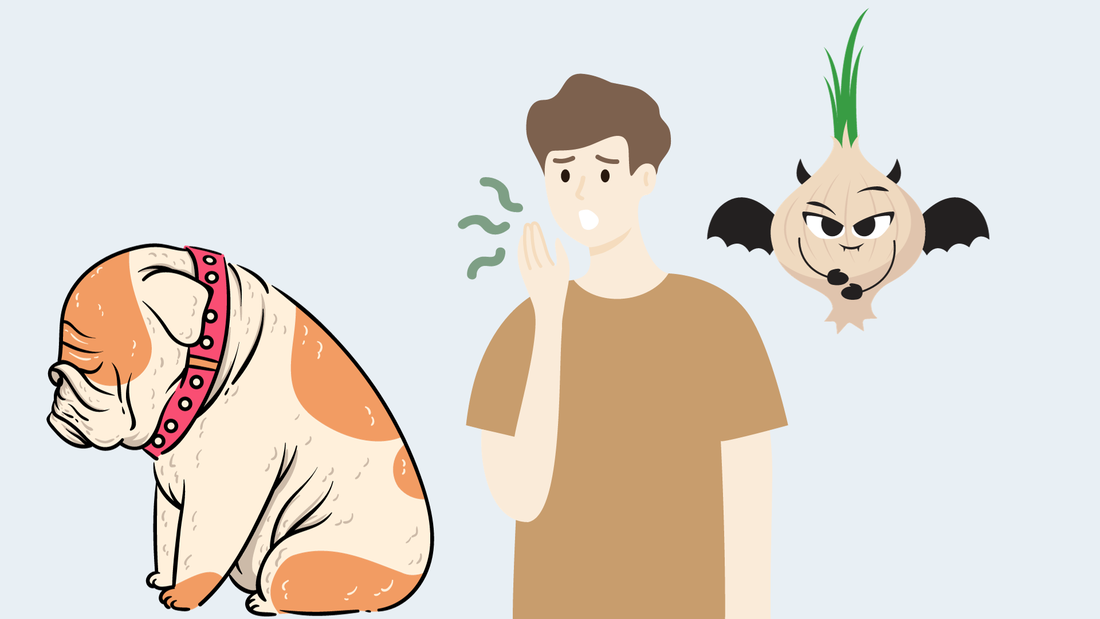 Onions and Garlic: Bad for Your Breath Worse for Your PetsOnions and garlic, often used as seasonings in various Thanksgiving dishes, are highly toxic to pets. They can cause gastrointestinal irritation, leading to symptoms such as vomiting, diarrhea, abdominal pain, and loss of appetite. In severe cases, ingestion of these ingredients can cause damage to your pet's red blood cells, leading to anemia. Ensure that your pets are kept away from dishes containing these ingredients, and securely store them to prevent accidental ingestion. Pro Tip: Chances are, not all your guests will be pet owners. What’s common knowledge to you isn’t necessarily obvious to those who don’t live with any animals. If a cat, dog, or other pet ends up near the dinner table, it can be hard to resist tossing them the occasional table scrap, and with the best intentions, a visitor might feed them something harmful. Make sure you ask all visitors to refrain from feeding the animals, and be especially proactive in briefing anyone involved with preparing the main meal, asking them to be mindful of where they leave food. To help you out, PAWS/LA has prepared a printable safety checklist, detailing foods that should be kept away from pets. Pin it in the kitchen and any common areas where people will gather!

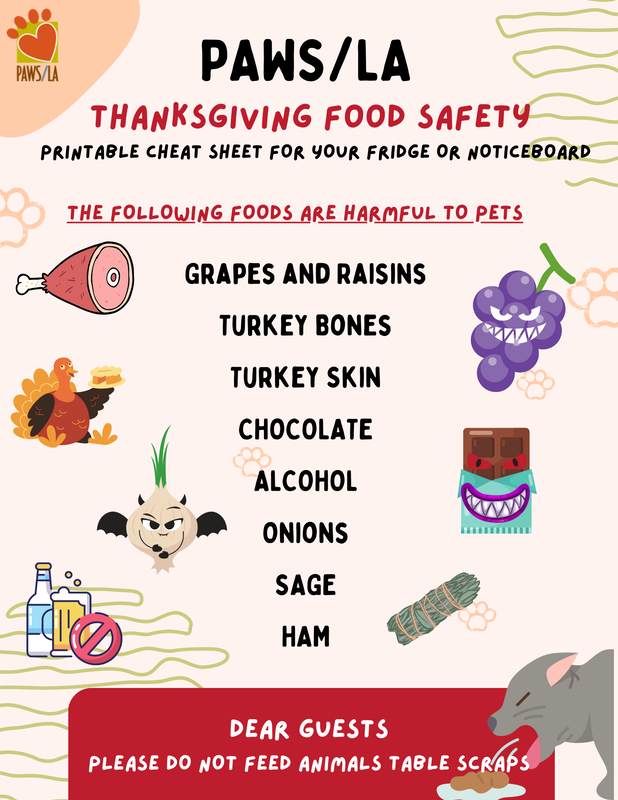 Ryan Hilary for PAWS/LA Grapes and Raisins: Small but DangerousGrapes and raisins are well-known for their toxic effects on pets, even in small quantities. These seemingly harmless fruits can lead to kidney failure in dogs and cats, causing symptoms such as vomiting, lethargy, and decreased appetite. To be safe, avoid sharing any desserts or dishes containing grapes or raisins with your pets. Bear in mind that small items such as these can easily fall on the floor or carpet. Chocolate: Tempting but TroublesomeChocolate is a classic indulgence during the holiday season, but a definite no-no for pets. It contains substances called theobromine and caffeine, which can be toxic to dogs and cats. Ingesting these can lead to symptoms ranging from restlessness and increased heart rate to seizures and, in severe cases, death. Keep all chocolate products, including baked goods, out of your pet's reach and promptly clean up any spills. 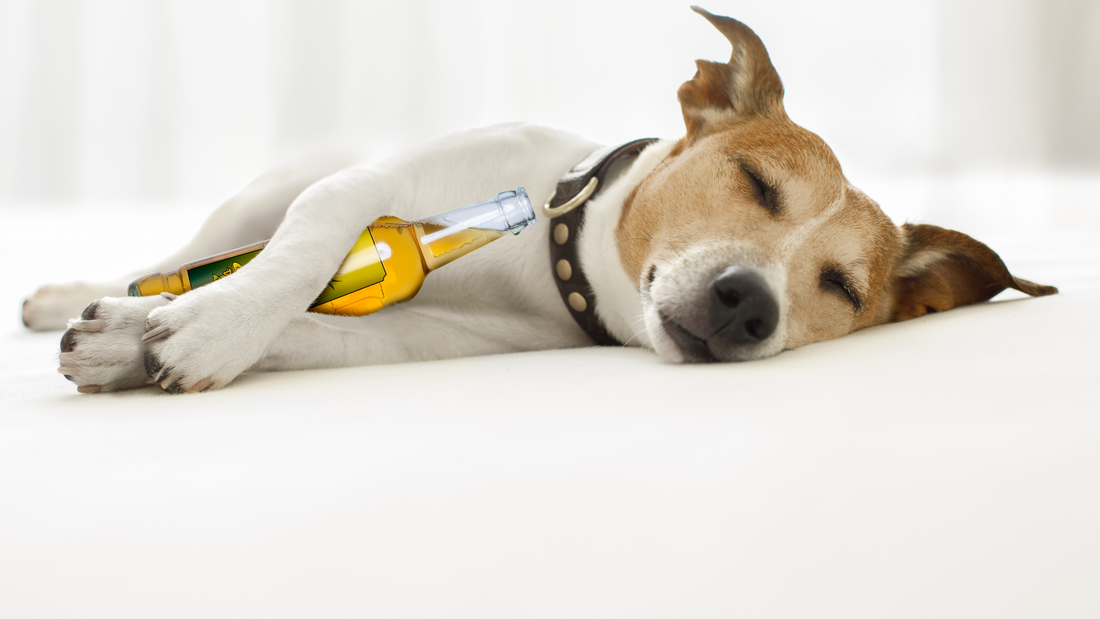 Alcohol: Sober Pets Rock!Many people use alcohol to amplify their holiday cheer. If imbibed in moderate amounts, beer, wine, and cocktails can help us relax and ease into the festivities. Unfortunately, the same does not apply to animals. Even small amounts of alcohol can cause them to become intoxicated, leading to vomiting, loss of coordination, tremors, and, in severe cases, respiratory failure. Keep alcoholic beverages away from curious pets and be cautious about where you place your drinks to prevent accidental spills. 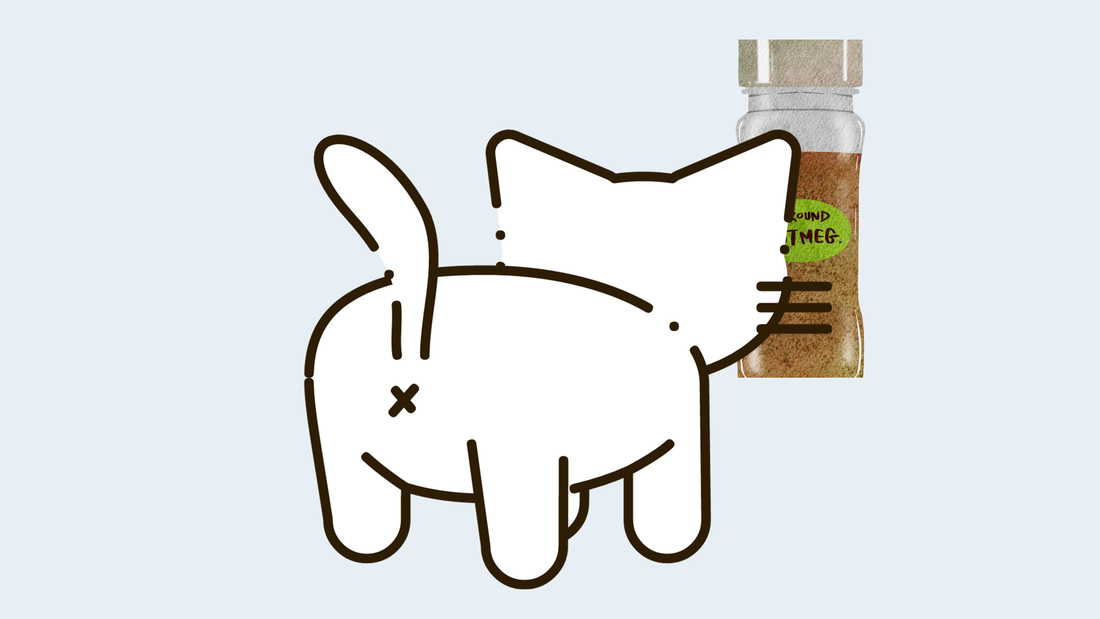 Nutmeg: Not a Nice Spice for petsNutmeg, commonly used in various Thanksgiving dishes, contains a compound called myristicin, which can be toxic to pets in large quantities. Ingesting nutmeg can cause symptoms such as hallucinations, disorientation, increased heart rate, and seizures. It's best to avoid sharing dishes seasoned with nutmeg with your pets and store the spice securely in a high cabinet. Again, be mindful of accidental spills and clean up any mess promptly. 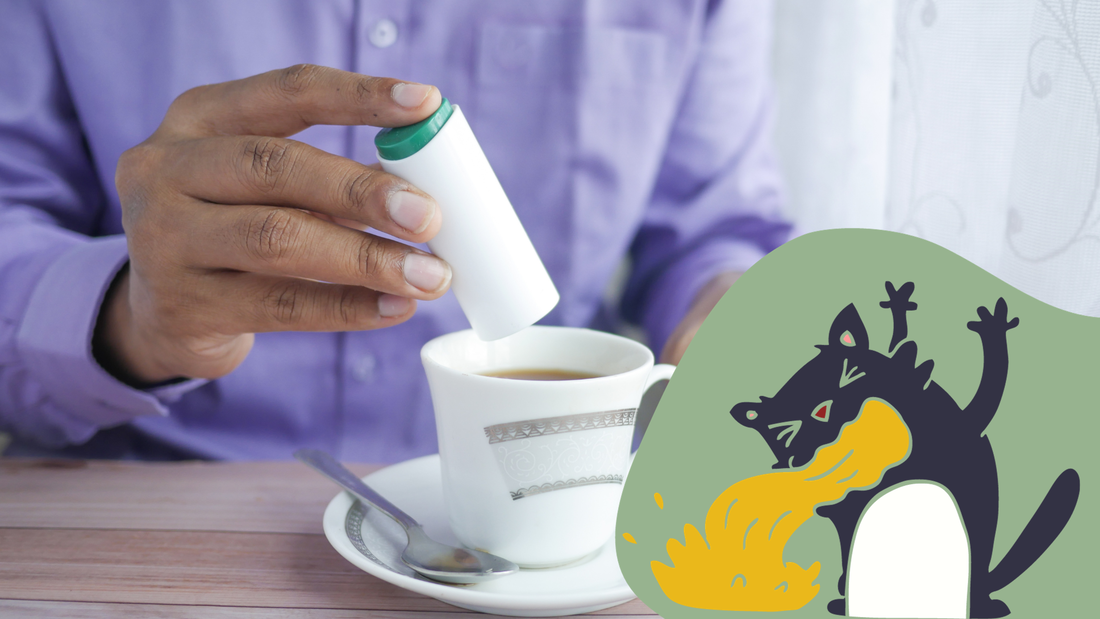 Xylitol: Sweet, Sweet Poison Keep artificial sweeteners like xylitol far away from your pets, bearing in mind that these chemicals are common additives in hundreds of food products—even ones you might not expect. Xylitol is extremely toxic for animals. (Honestly, it’s not great for humans either). You might want to do everyone in the household a favor and avoid artificial sweeteners in general. Many of them have been linked with cancer and can even contribute to depression as they interfere with the brain’s dopamine production. Pro-Tip: No matter how cautious you are when choosing what to feed your pet over the holidays, all that safety can be undone if dangerous foods spill or make a mess that your pet can easily access. Small items such as grapes or raisins are easily scattered over the floor and can roll into nooks and crannies, which are hard for humans to reach, but easily picked up by small animals. Even the cleanest among us can find their kitchen a mess when preparing a large meal for many people. Keep your pets away from any area where food is being prepared. You might even consider barring them from the dining area until the meal is cleared and the space cleaned. In general, make sure your home is equipped with a pet-focused emergency and first-aid kit.  Treat Your Pets with These Dishes Now that we’ve dealt with the culinary don’ts, let’s switch to a positive track and look at some tasty and nutritious dishes for your pets to enjoy. After all, your animals are beloved family members, and you want them to share the cheer. While all these dishes are Thanksgiving staples, found at most traditional tables, they need to be served plain to remain pet-friendly—no casseroles, pies, or buttery, sugary mashes. This might require you to think ahead, putting some ingredients aside as you prepare dishes for the main table. Consider, setting up a small side area for “pet prep”, and portioning out some plain servings as you go along.  Fruits Make a Delicious Desert With the exception of grapes and raisins, most fruits make a delicious desert for your furry friends. Blueberries, strawberries, and apples are a great source of A and C vitamins, and some pets even enjoy cranberry sauce (although cats don’t have the tastebuds for it). Just make sure that any fruits you give your pet are served plain without extras such as cream or sugar. Don’t give your furry friends any fruit pies, which contain too many unhealthy ingredients to do your animal any good. If you’re including fruits in your human deserts, put some aside during preparation so that you can present them to your pet unsullied. 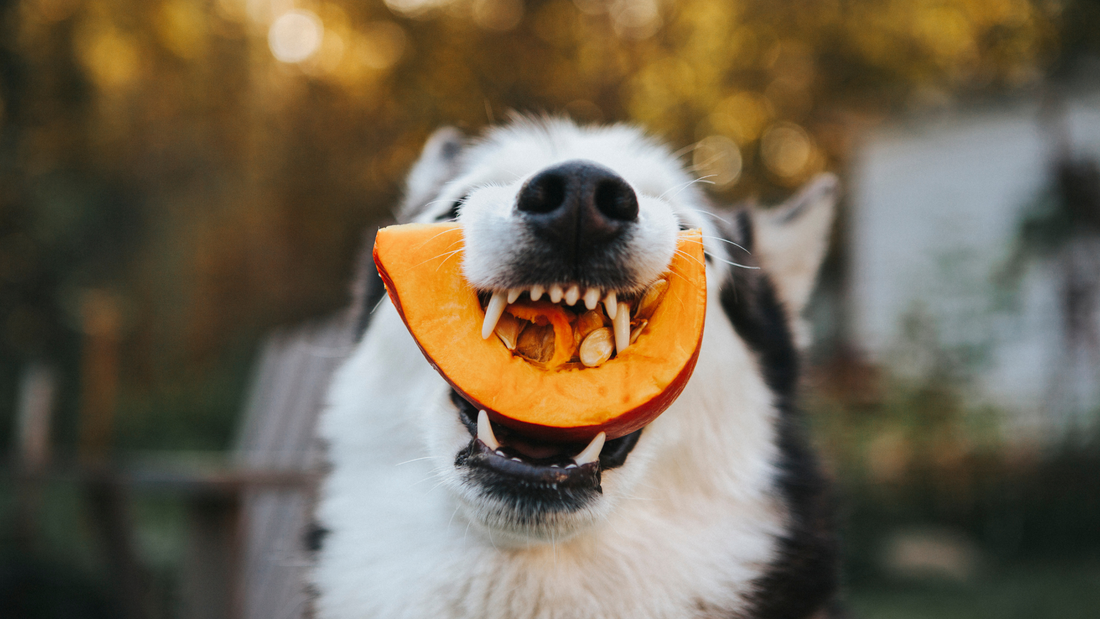 Plain PumpkinA legendary thanksgiving staple, there’s absolutely no reason your pets shouldn’t share some plain pumpkin goodness—especially mashed up so that it’s easier to eat. You can even turn this into a desert by pureeing it and mixing in some unsweetened frozen yoghurt. The calcium and probiotics will be great for your animal’s stomach and the pumpkin is packed with fiber, Vitamins A, C, E, and potassium! If you’re feeling especially ambitious, here’s a great recipe for pumpkin pie dog treats from Rover.com.  Sweet Potato PartyLike pumpkin, sweet potatoes are loaded with dietary fiber and vitamin C. They also add B6 and beta-carotene to the mix. They can be served mashed, or in the form of a dehydrated chew. Again, don’t include any rich, gooey extras such as butter, brown sugar, or marshmallows. 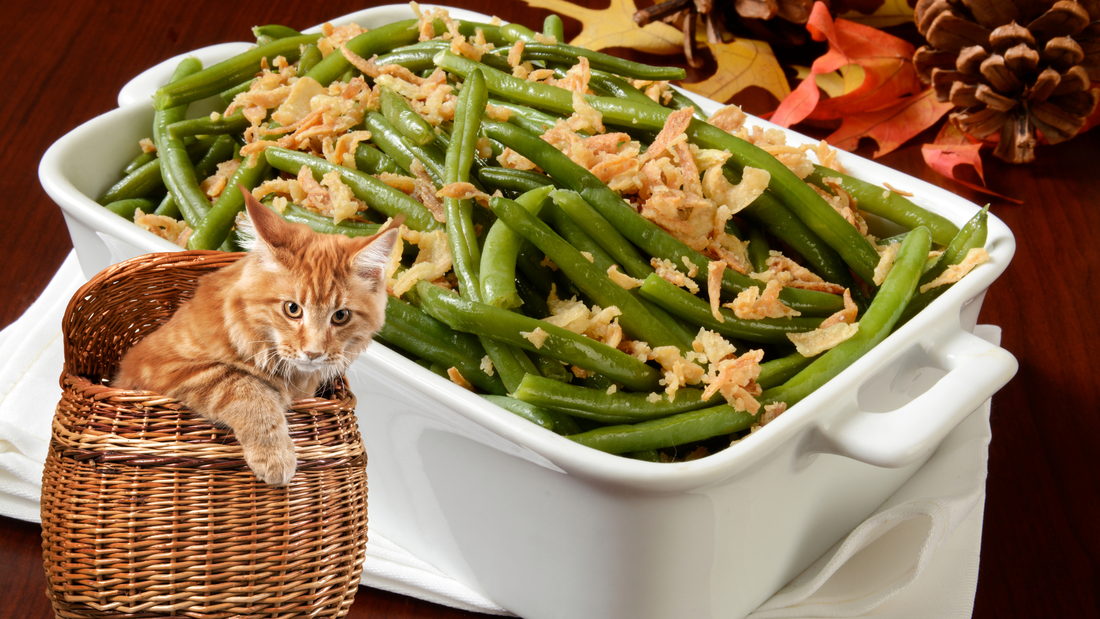 Green Bean DreamWhile it might be a major part of many a Thanksgiving meal, green bean casserole is a no-go for pets. Instead, consider serving these delicious greens as dehydrated crispy treats.  Conclusion: Time to feastThanksgiving should be a period of joy and gratitude for people and pets alike. While it’s crucial to remain pet-safe amid the festivities, your holiday preparations don’t have to be exclusively prohibitive. Consider ways to treat your pet while keeping them protected. Be mindful of the foods listed above and set healthy alternatives aside to serve your animals while the humans are chowing down. Special treats and toys can distract them during mealtime, ensuring that they don’t linger at the table begging for scraps. Above all, be good to each other, take care of the animals and have a great holiday!
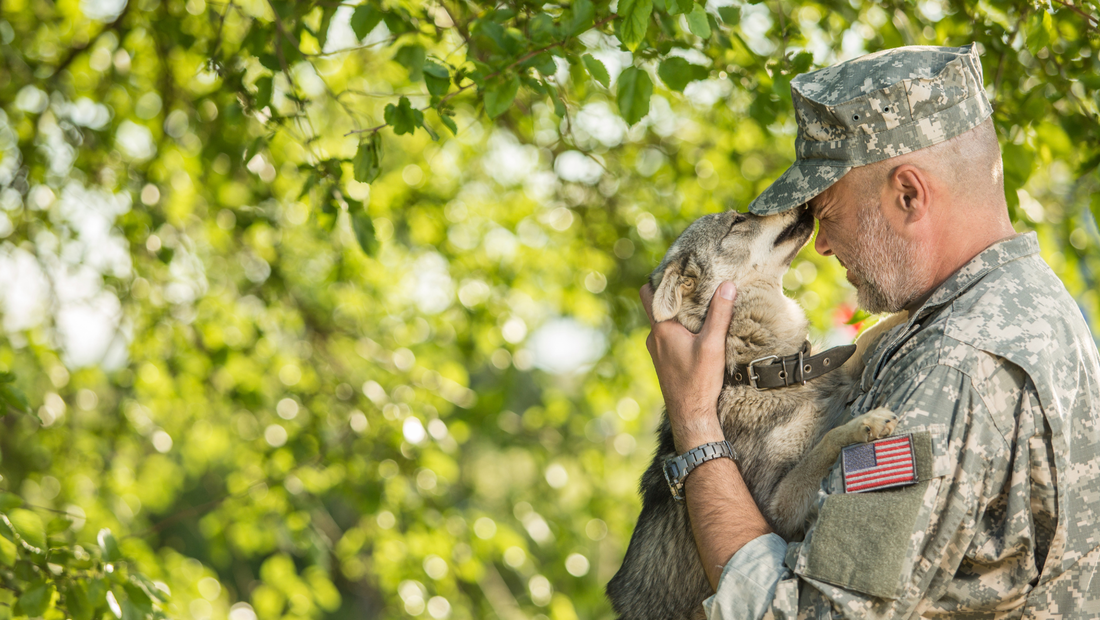 Mental Health: The Next BattlefrontIn the lead up to veteran’s day 2023, PAWS/LA has taken a deep dive into the data surrounding mental health in military veterans and the abundant evidence suggesting service animals and mental wellness are inextricably linked. Studies show that military veterans experience mental health difficulties at a significantly higher rate than those in the general population. The trauma of battlefield experiences, and the difficulties of reintegrating into civilian life are just two of the stressors that can negatively impact a veteran’s psychology. Add these to the day-by-day challenges that the average civilian faces—social, economic, political—and you have a fertile environment for psychological disorders to develop and evolve. Some experts call mental health “another battlefront” for many who have served in the army.  While any response to a mental health crisis must be nuanced and multi-faceted, depending to a large degree on the individual and their specific experiences, an overwhelming majority of experts agree that service animals—emotional support pets—can prove a powerful tool in helping struggling veterans. These animals might belong to the affected individual and constitute a constant feature of their domestic environment; or they may be temporarily available at a rehabilitation or care facility, utilized by therapists or counselors on a session-by-session basis as part of a structured therapeutic approach. However the animal appears in the veteran’s life, they are likely to have a positive impact. Again, it is important to understand the limitations of any conclusions drawn from combined statistical analysis, with conclusions converging and diverging around varying methodologies and modalities. However, studies generally suggest the following benefits as emerging from pet-assisted therapies. Reduced Symptoms of PTSDAccording to the National Center for PTSD, a government agency, 7% of all veterans will suffer from Post-Traumatic Stress Disorder at some point in their life. The effects of PTSD can be debilitating, negatively impacting all aspects of the individual’s life, from job performance and social functioning to the relationship they have with their immediate family members. PTSD is strongly linked to substance abuse disorders and other compulsive behaviors. While it is dangerous to make specific assumptions based on a PTSD diagnosis alone, it is generally safe to conclude that the disorder poses a significant barrier to enjoying an elevated quality of life. Service animals can help mitigate these negative effects. According to a study published in the "Journal of Consulting and Clinical Psychology," veterans with PTSD who had a service dog showed a significant reduction in symptoms such as nightmares, night sweats, hallucinatory flashbacks and hypersensitivity to light and sound. According to researchers, these specific symptomatic improvements amounted to an overall decrease in the severity of the disorder and a general weakening of entrenched symptom clusters. While this study considered dogs specifically, scientists believe that other animals provide essentially the same support functions: companionship, socialization, a sense of accountability and purpose. 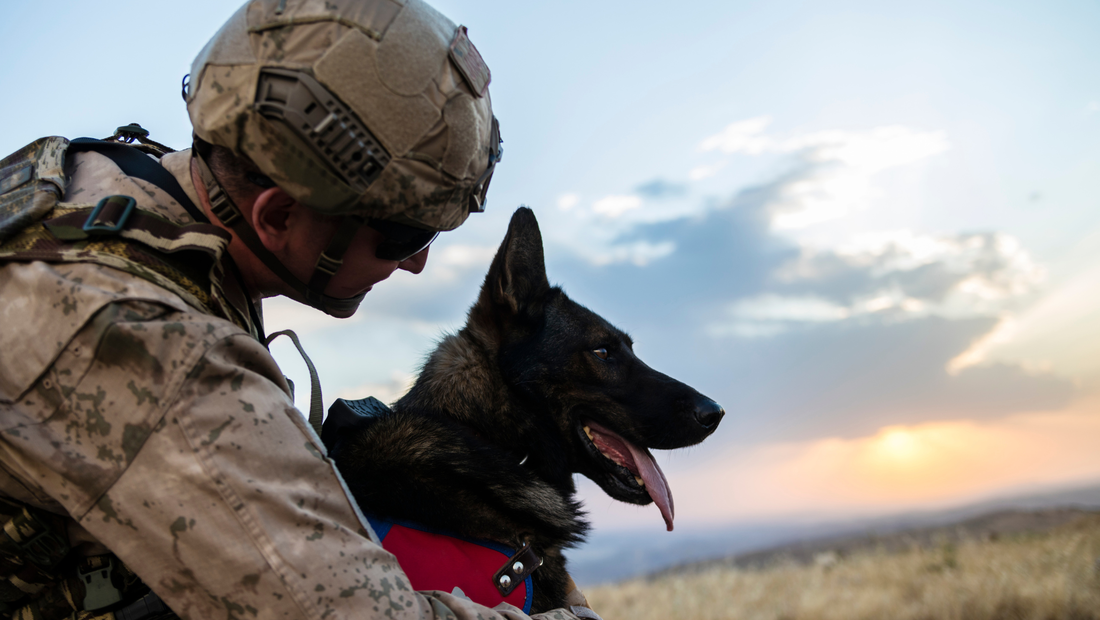 Lowered Anxiety and Depression Depression and anxiety are common forms of mental disorder, which often occur together, forming a particularly potent pathology. Some experts argue that both have reached epidemic levels in the modern world, measured at rates previously unheard of, especially in a post-pandemic landscape. Others contest that such claims are overstatements emerging more from broadening awareness and reporting than from an increase in actual diagnoses. Whatever the case, depression and anxiety are widespread, potentially debilitating conditions that lower the quality of the sufferer’s life and cost the economy billions each year. Anxiety tends to afflict the sufferer with chronic feelings of fear and dread, sometimes at levels intense enough to cause physical reactions such as shortness of breath or heart palpitations. Depression has a more sedative effect, leading to suppressed motor functioning and dramatically decreased energy levels (fatigue). Depression also attacks the individual’s sense of self-worth and saps at their motivation. At severe levels, both conditions can completely incapacitate the individual, making it hard for them to leave their beds. 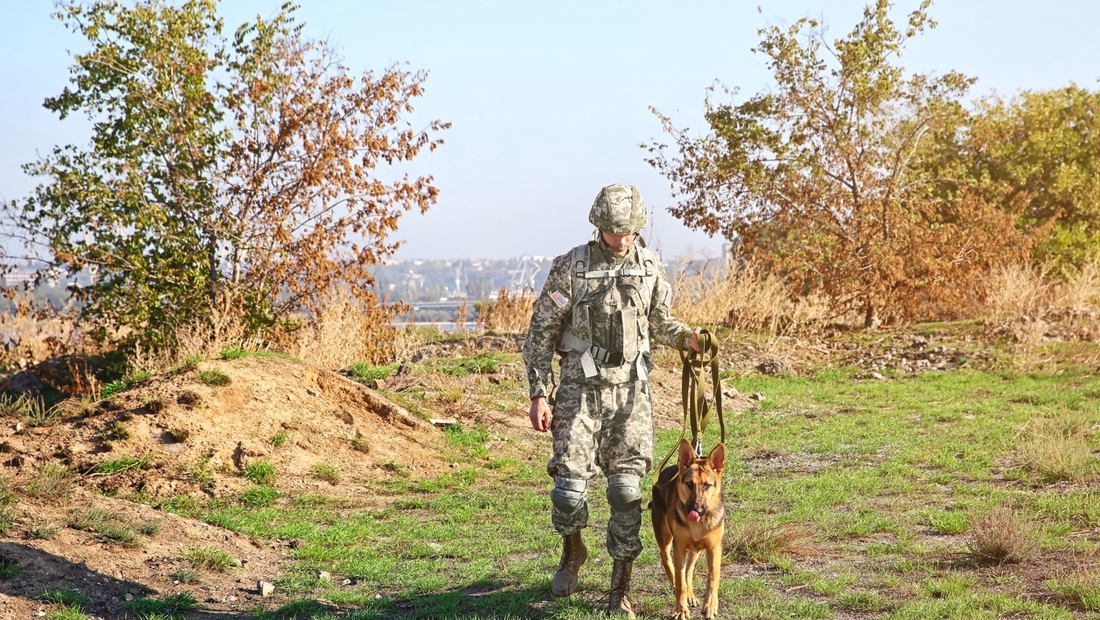 Research shows that depression is responsible for up to 9% of all ambulatory military health network appointments, while 15% of veterans report anxiety symptoms. As with PTSD, animal assisted therapy can reduce these symptoms for much the same reasons--a psychosocial combination of behavioral adjustment, existential realignment, and physiological change, the latter occurring as interactions with the animals reduce cortisol levels and increase oxytocin. Decreased Medication DependencyAs you would expect, a reduction of symptoms through animal assisted therapy may positively impact the individual’s overall treatment plan, leading to a decrease in the need for medication. While psych meds have improved dramatically over the last fifty years, they still come with certain side effects (not to mention the financial strain of paying for a psychiatrist and covering co-payments). Even the most lightweight medications can cause weight gain or insomnia; and heavy-duty options such as Lithium, or any drug from the family of anti-psychotics can make an individual feel numb or ‘zombie-like’. Counterintuitively, the short-term side effects of some drugs include an increase in the symptoms they are supposed to be relieving. If companionship and emotional support potentially lower a reliance on pharmaceutical interventions for mental health conditions, they become particularly valuable assets in any comprehensive treatment plan. Note that the word here is lower. A service animal is rarely a full substitute for psychiatric medication, especially if the individual’s condition is especially severe. It is extremely dangerous to change medications abruptly and without doctor supervision.  Reduced Risk of SuicideDepression, anxiety, and PTSD can become terminal conditions if they factor into an individual’s decision to commit suicide. Military veterans are 1.5 times more likely to take their own lives as members of the general population, and while the precise cause for each individual’s decision is impossible to determine, the link between self-harm and mental health disorders such as depression, anxiety and PTSD, is indisputable. Simply by reducing the symptoms of mental health conditions, service animals constitute a valuable suicide prevention tool. But on a more abstract level, pet ownership almost certainly strengthens an individual’s existential resolve. An animal provides a reason to live and something to fight for, even when its owner is at their lowest ebb. At PAWS/LA we can cite hundreds of clients who claim their animal is the only thing keeping them going.  Decreased Hospitalization ratesVeterans with service dogs often experience fewer hospitalizations related to their mental health conditions. The presence of a service dog can help manage symptoms and provide comfort, reducing the need for emergency interventions. This allows the veteran to manage their mental health conditions without the need to take time off work. It also helps individuals avoid the financial stress of enormous medical bills. Improved Quality of LifeBy reducing the symptoms of mental health disorders alone, pet ownership and animal assisted therapy improve the individual’s quality of life. But even if you take serious mental health conditions out of the equation, animal owners, veterans or otherwise, generally poll as happier than those who live animal-free. They record improved social functioning and tend to live longer. Cardiovascular diseases are rarer (or at least less severe) in this population grouping, and they report greater interpersonal relationships and community participation as pets, especially dogs, can act as social catalysts. This alleviates feelings of isolation and improves overall mental well-being.  Physical BenefitsFinally, pet ownership has ben proven to confer tangible physical benefits. Studies have shown that interacting with pets, including therapy animals, can lead to a decrease in blood pressure and stress levels, two areas in which military veterans often struggle. The simple presence of an animal has been shown to have positive effects on human physiology by reducing the production of stress hormones. Animals can also aid in physical rehabilitation, helping with mobility and balance, and making it easier for their owners to engage in exercises and activities that promote physical health. For veterans returning from service with a chronic physical impairment, be it a missing limb or damaged hearing, adapting to this new reality becomes paramount in stabilizing their mental health. Animals keep us active and alert. We now know that the mind-body split is a myth. Those suffering physically suffer mentally and vice versa. True wellness covers every aspect of the individual’s life, calling for holistic approach. Vets and pets: better togetherAgain, statistical analysis has clear limitations, and every individual is different; humans do not easily fit into methodological categories. Nonetheless, the abundance of evidence suggests that on some level, veterans benefit from owning a pet, or engaging in animal assisted therapy. At PAWS/LA we evidence of this every day, and it is the motivating force behind our PETSTRONG program. Our veterans have already given so much, often sacrificing their mental well-being to serve a cause greater than any one individual. It is only fair that we support them as participate in civilian life. Ultimately, a society is the sum total of its constituent parts—the individuals that comprise the social organism. Happy individuals make a happy society. Healthy soldiers make a safer nation. If animals can add to both health and happiness, we believe it benefits all of us to keep Vets and Pets together.
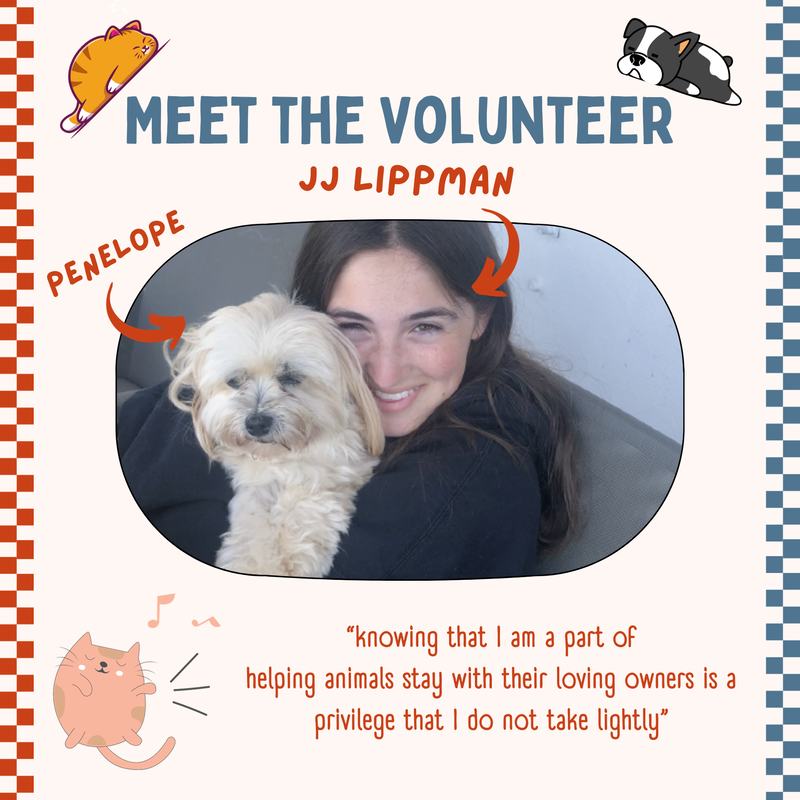 My name is Juliet Lippman, my friends call me JJ. I grew up in the suburbs of Chicago and moved to Los Angeles four years ago to go to the University of Southern California where I study Communication and Cinematic Arts. Through an occupational therapy class I am taking as an elective, I have spent time learning about the power of animals in helping our mental and physical health. As we have learned in class, and as I have learned through my personal experiences with both of my dogs, Penelope and Buttercup, having the love and consistency of an animal greatly improves our lives. 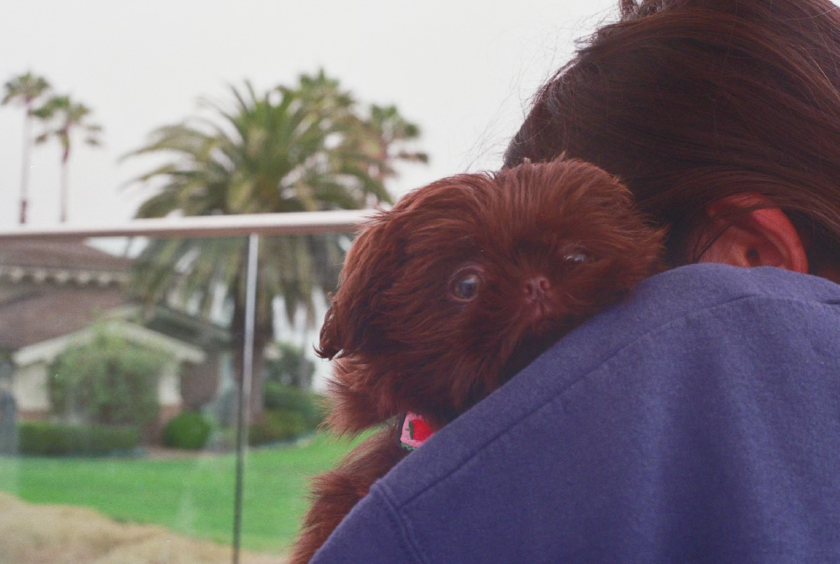 This learning led me to Paws/LA, where I have begun volunteering. Volunteering at Paws/LA has been an amazing experience for a multitude of reasons. My first deliveries went smoothly, and all of the clients were kind, thankful, and courteous. Further, knowing that I am a part of helping animals stay with their loving owners is a privilege that I do not take lightly.
Not only is the work at Paws/LA incredible and fulfilling but the ability to volunteer on my own time and with my friends adds an uniquely fun aspect. Overall, I feel grateful that USC led me to Paws/LA, as I have found my time here rewarding and enjoyable.  Photo by Lucas Andrade: https://www.pexels.com The Holiday Season is a special time for people to gather and be merry together. No matter your background or belief system, some kind of holiday celebration is likely to insert itself into your day-to-day life. At such times, it’s important to remember that pets are part of festivities too. Amidst the hustle, bustle and disruptions in routine, it's easy to overlook the potential, pet-specific dangers that lurk within the celebratory frenzy. In this guide, we will highlight some of these hazards and explore various ways to keep your pets safe and happy during the holiday season.  Mindful Decorations:Nobody likes decorating for the holidays more than I do. There’s nothing quite as satisfying as buying an artisanal, hand-crafted bauble for a hundred bucks and then seeing it shatter the next time someone sneezes near it. Yet, behind the sparkle of fairy lights and shimmer of tinsel there lies a world of danger, especially for your pets. What you see as a delightful winter grotto might constitute a perilous hellscape for a cat or dog. Keep your decorations off the floor as, according to both experts and anyone with even a modicum of common sense, they can be harmful to your pet’s digestive system if swallowed. In the same vein, make sure to secure your Christmas tree so it doesn't topple over if an overly rambunctious pet decides to climb it. Always have a fireguard in your hearth, and make sure those candles are well out of reach. Finally, bear in mind that your pet is not a decoration or accessory. It’s perfectly acceptable to dress them up for the festivities, but only if they’re comfortable with it. The only thing worse than a sad cat is a sad cat with reindeer antlers taped to its head. 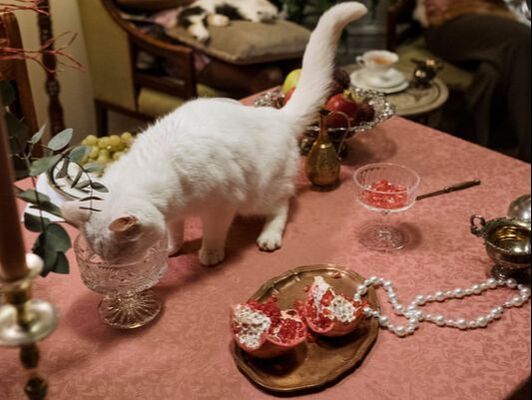 Photo by Cottonbro studio from Pexels.com Feast ResponsiblyWithout a doubt, food and drink play a major role in almost every holiday tradition. We feast and imbibe, and imbibe some more, and then feast again, seeing out the year with an earnest, but ultimately futile resolve to scale back our future indulgences. Just bear in mind, that our furry friend's dietary needs are vastly different from our own. Chocolate, grapes, raisins, alcohol, and foods with artificial sweeteners (like xylitol) should be kept out of your pet's reach. With so many visitors coming and going throughout the season, it’s important to inform your guests about not feeding table scraps to your pets. Instead, serve them (the pets, not the guests) with healthy organic meals. This is particularly important if children are visiting. Of course, that doesn’t mean your furry friends shouldn’t eat well over the holiday season. You can find an abundance of gourmet pet food options available in any major supermarket or pet supply emporium. Consider treating your beloved animal to something special they can enjoy while you’re scarfing your fourth piece of pie. Just remember, Fido most definitely needs to stay away from the champagne. He’s obnoxious when he’s drunk, and everybody knows it. 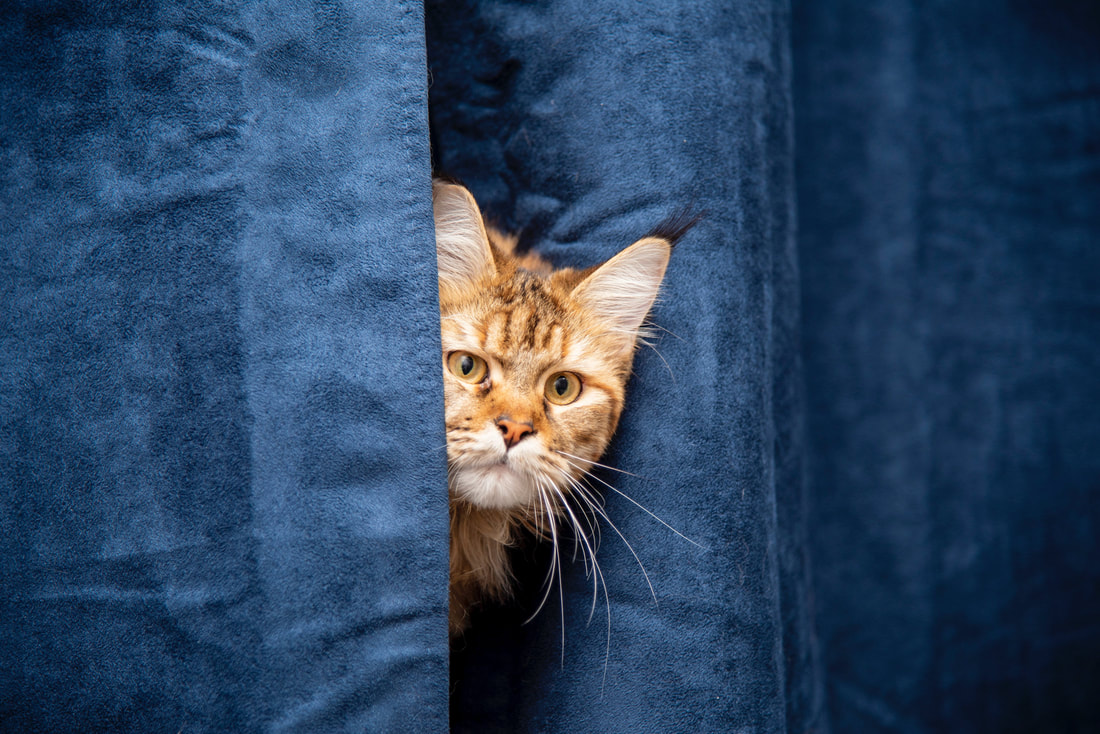 Photo by Aleksey Zemlyanoy: https://www.pexels.com Provide a Quiet RefugeThe holiday season often involves gatherings, parties, and fireworks. Some of us enjoy these festivities, others find them only mildly more tolerable than a root canal. Regardless of your own inclinations, bear in mind that your pet probably has no idea what in the world is going on and could easily become overwhelmed. This is especially true on New Year's Eve when your pet is wondering why your weird neighbor is vomiting in the plant pot. Some animals, get especially excited or hostile around strangers, and this can prove dangerous for both parties—especially when kids are involved. Nobody wants to miss out on the celebrations because they had to rush Cousin Johnny to the ER for stitches and a rabies shot. In such chaotic circumstances, your animal is most certainly not at fault. Create a safe and quiet space where they can retreat to if they feel stressed. This could be a cozy corner with their bed, toys, and water. You might even consider playing soft music or leaving on a white noise machine on to soothe their nerves. Never force a shy pet to socialize, and make sure all guests are aware of any boundaries the animal might have.  Photo by Julia Volk: https://www.pexels.com Gift MindfullyIf you plan to give your pet a gift, remember that they almost certainly don’t care. They're animals! They would probably rather a little extra care and attention, instead. (Likewise, do not be upset if your pet doesn’t give you a gift. It’s not that they’re being thoughtless; you’re just particularly difficult to buy for, and they don’t want to spend money on something you won’t use). If you insist on buying them a present anyway, keep it simple. Ensure that any new items are safe and appropriate. Avoid toys with small parts that could be a choking hazard. Instead, opt for sturdy, pet-approved items that encourage mental stimulation and physical activity. Remember, something as simple as a ratty piece of old string peeled off your shoe can provide a kitten with hours of entertainment. 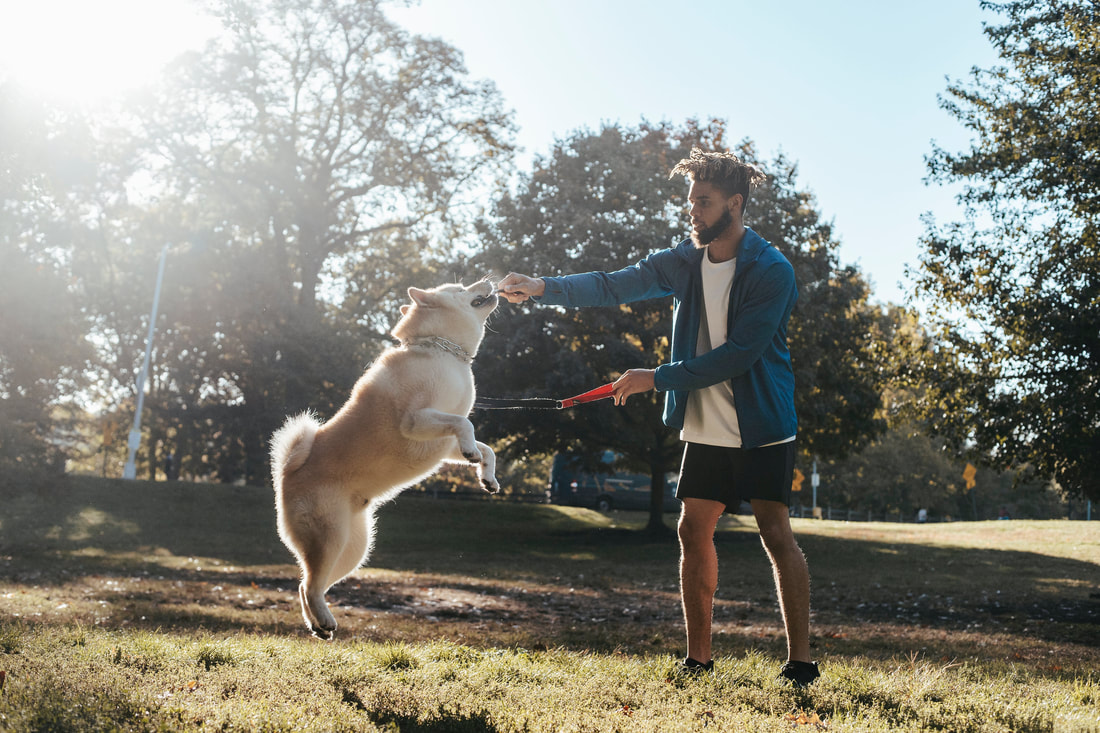 Photo by Zen Chung: https://www.pexels.com Don't Forget to exerciseWith busy holiday schedules, it's easy to overlook your pet's exercise routine. However, just because you’ve eaten so much saturated fat you can hardly move, doesn’t mean your pet should suffer too. Regular exercise, fresh air and the stimulation of being outside are crucial for any animals’ well-being. No matter how busy you get, take time for walks and activities that keep your pet’s mind sharp. If the weather is harsh, consider indoor games like hide and seek. Just bear in mind that there are plenty of holiday hazards outside of the house. 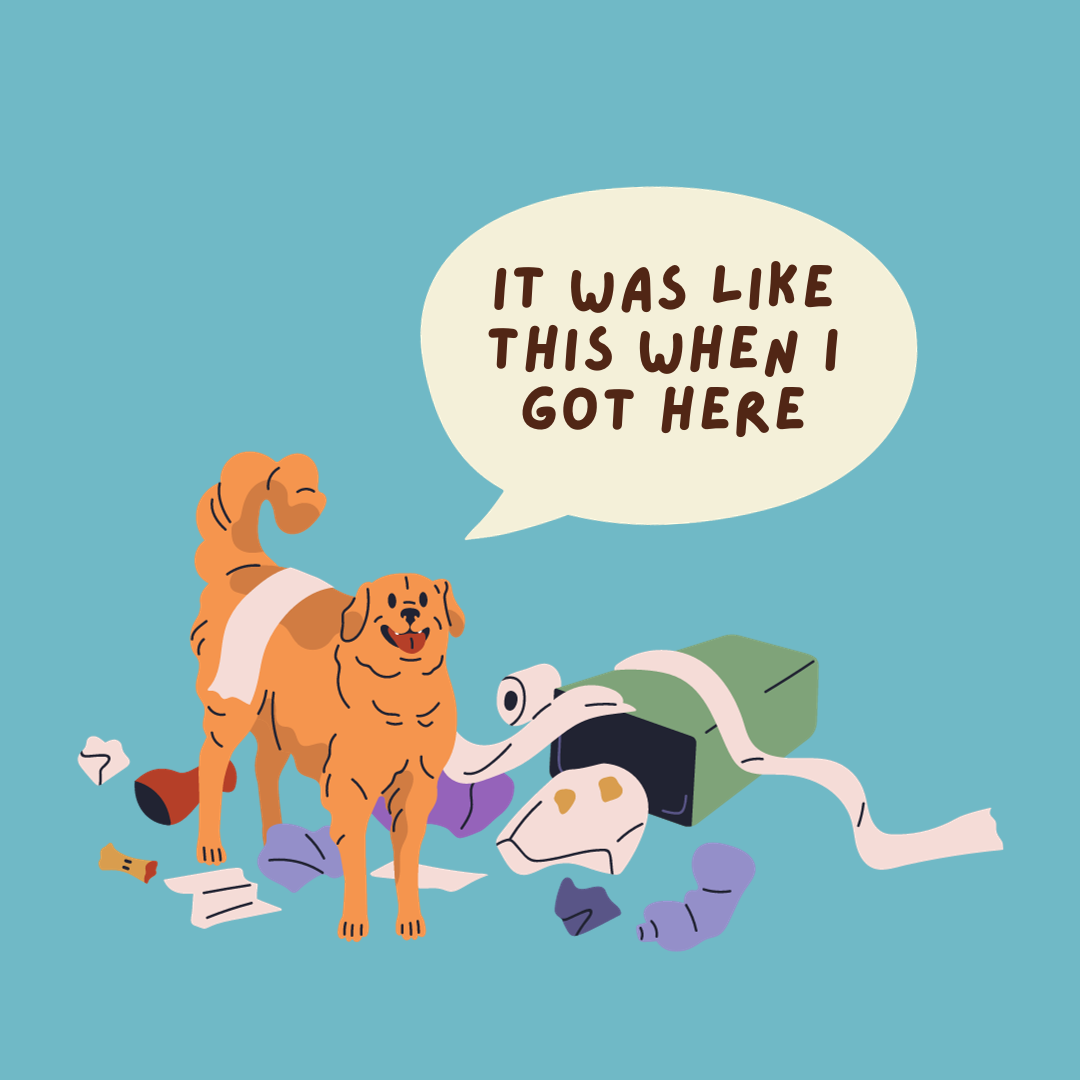 Mind the trashThe holiday season often means an increased output of household waste. For us, this is an inconvenient by product of our seasonal revelry; for a curious pet, it is an abundance of riches. Make sure your garbage is secure, perhaps in a cabinet or sealed with a pet-proof lid. You don’t want them rummaging through the trash and potentially ingesting something harmful. SAFE TRAVELSIf you're traveling with your pet, ensure their safety and comfort by investing in a spacious, fully equipped pet carrier with a secure door. Make sure to bring some familiar bedding, toys, and food to help them feel at ease in a new environment. If you're flying, check the airline's pet policies well in advance and ensure your animal meets all the requirements to board. Any time your pet is away from their home environment, they should be microchipped and wearing a collar with up-to-date contact information. Remember that the movie Homeward Bound: The Incredible Journey is a highly embellished work of fiction and that most lost animals will NOT embark on a series of colorful adventures and soul-searching trials to find their way home. (Most cats will just pick a new owner). 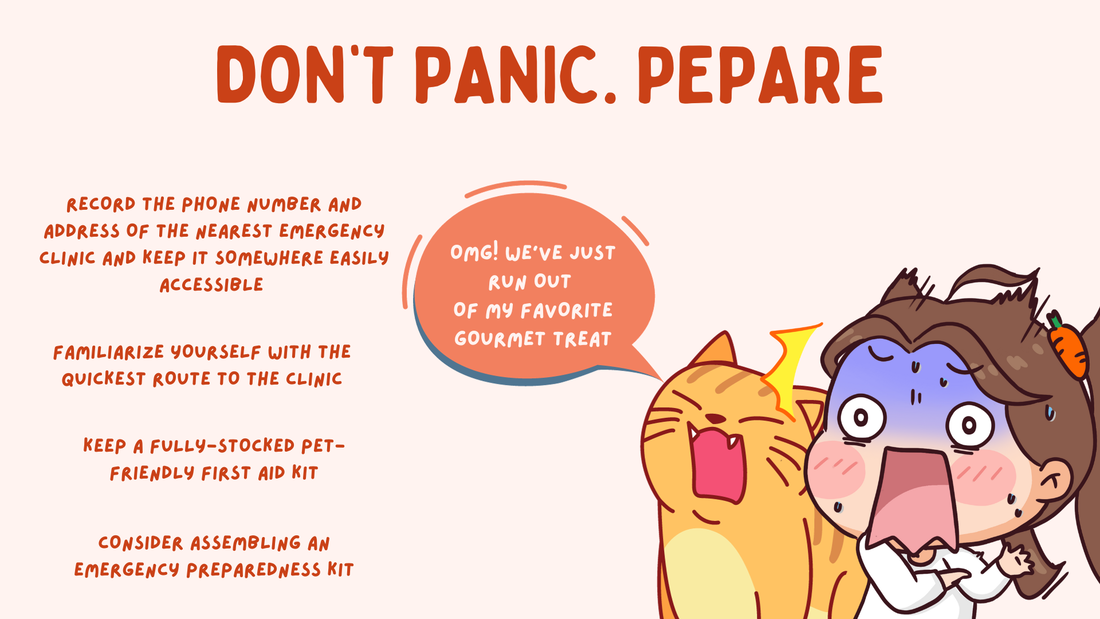 prepare don't panicDespite our best efforts, accidents can still happen. It’s the thing you don’t worry about that inevitably ends up blindsiding you—usually when you least expect it. Like any good boy scout you need to be prepared. Have the contact information of a local 24/7 veterinary clinic readily available. Additionally, familiarize yourself with the location of the nearest emergency animal hospital. Check their website for holiday hours and other changes in schedule. In a crisis, quick action can make all the difference. 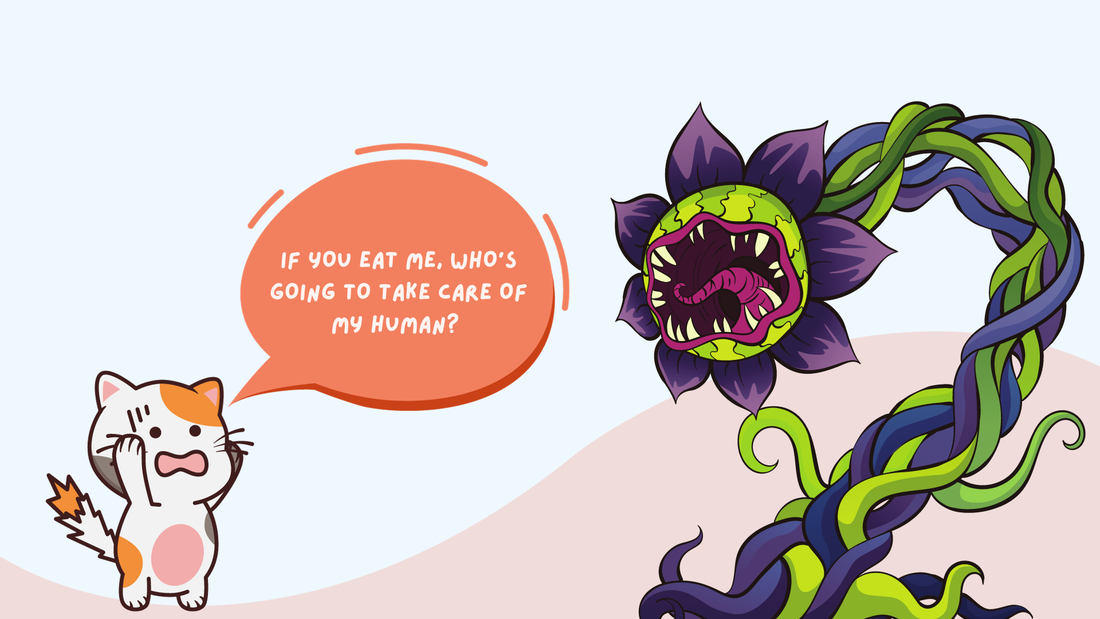 beware the foliageOnce again, these seemingly innocuous household accessories can pose a significant risk to your pets. Several plants commonly used for decorations, such as poinsettias, mistletoe, and holly, are toxic to pets if ingested. Mistletoe can also be problematic as it encourages the unsanitary practice of interspecies smooching. Make sure these plants are out of your pet's reach or opt for pet-safe alternatives if you want to decorate with greenery. 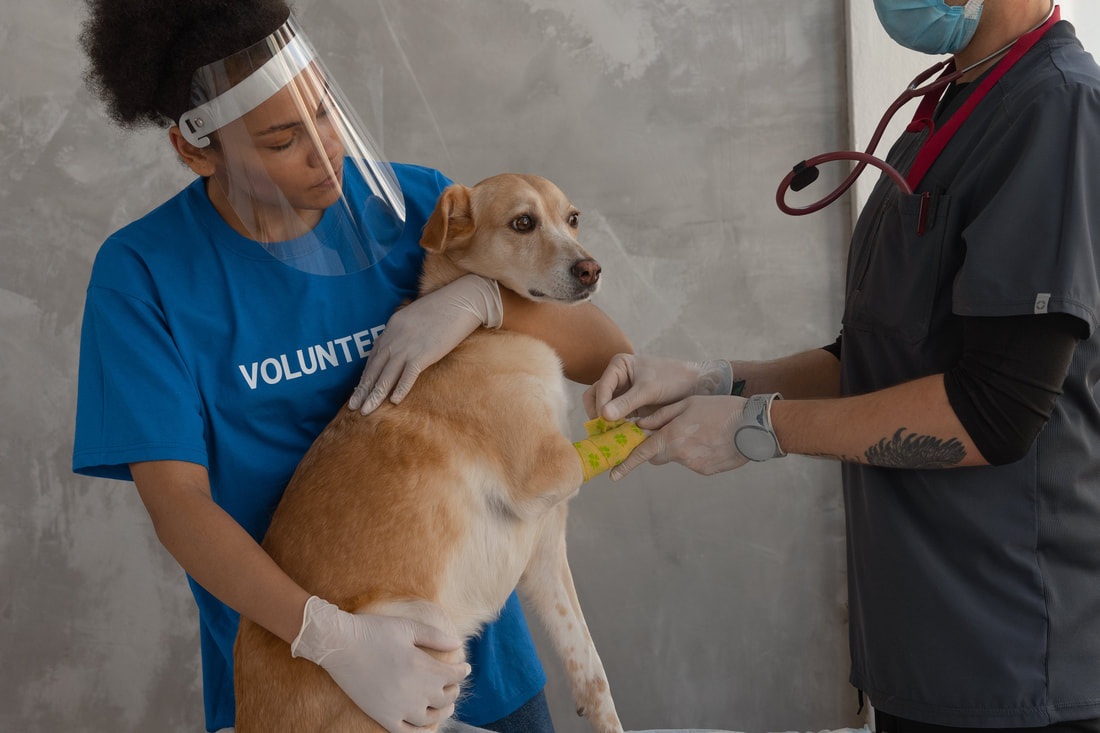 Photo by Mikhail Nilov: https://www.pexels.com HOLIDAY HEALTHCAREAmidst the holiday chaos, don't forget about your pet's routine health care. Ensure they are up-to-date with vaccinations and parasite prevention, especially if your guests are bringing unfamiliar animals into the home. With many stores and pharmacies operating on a holiday schedule, it pays to make sure you’re sufficiently stocked up on any essential medications BEFORE the shops close. The holiday season often means colder weather, so take necessary precautions to keep your pets warm, especially if they spend time outdoors. Little dogs in coats and mittens are adorable, just make sure they are comfortable.  Photo by Pixabay: https://www.pexels.com HAPPY HOLIDAYSIn conclusion, the holiday season can be both delightful and challenging for our pets. While being overly anxious ultimately helps nobody, a little reasonable mindfulness goes a long way. As with any good safety plan, identifying potential dangers is the natural first step. With one in place, you can relax into the spirit of the season and share your joy with your furry friends. Just don’t get so carried away that you end up ruining the occasion for everyone. The holidays wouldn’t be the same without your beloved animals. They likely feel the same about you.
 My name is Justine Biondi. I grew up in New Jersey, but I have been living in Los Angeles for over eight years now! I’m a real estate agent serving all of Los Angeles. I also love writing, and published a poetry book last December called Seasons of a Beating Heart. Recently, I have been looking for meaningful organizations to volunteer with, and I am so happy I found Paws/LA. 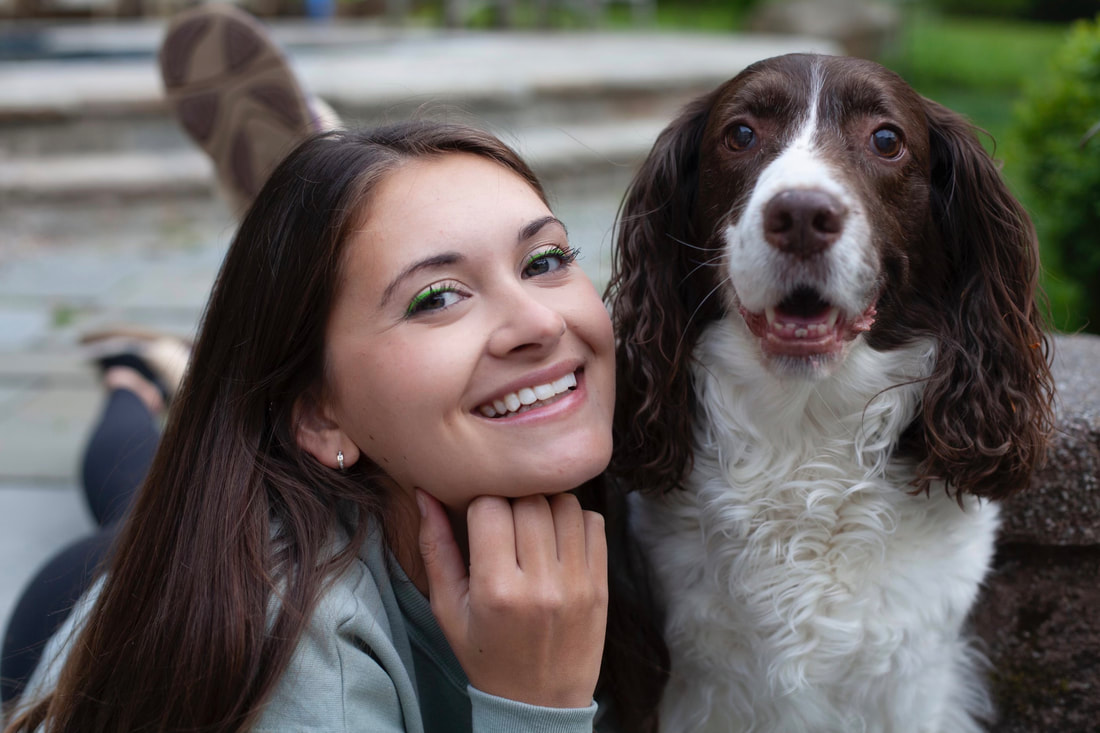 Justine and Piper I heard about Paws/LA through a simple google search. I love helping both animals and elderly people, so this organization popped up right away in my search. Paws/LA is such a kindhearted organization with a meaningful cause. Everyone deserves to stay with their fluffy family members for as long as possible, so it is an honor to help facilitate that bond between older people and their pets. My first experience delivering food was seamless! I called the client, Lora, who answered right away and let me know when was a good time to deliver her cat’s food. She is an extremely sweet person who was very grateful as well. I was happy to help her! 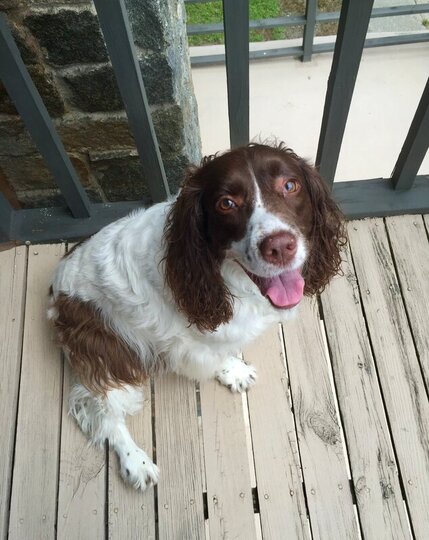 Justine's dog Piper The human-animal bond is important on so many levels. I actually wrote a blog post recently called “The Magical and Emotional Bond Between Humans and their Animals.” Our animals are our family, through and through. They provide us with deep and meaningful companionship rooted in unconditional love. I know from experience that life becomes much brighter when you have a fluffy animal to share it with. They remain by our side through all of the highs and all of the lows, and they remind us that we are not alone. Sometimes even the people in our lives can’t do that. To be able to help elderly people continue to care for their beloved animals is an honor and a joy.
 Photo by Sheep on www.pexels.com Your Animal’s Diet Matters! As one of the fundamental conditions needed to sustain life, nutrition drives every aspect of our biological functioning, either fortifying or weakening body and mind. A good diet will fend off illness and disease, ensure that we have enough energy to live a productive life, and toughen our bodies against injury. A poor diet leaves us vulnerable to every kind of physical harm, and can exacerbate, or even cause, mental health disorders, leading to increased levels of depression and anxiety. In other words, food matters. A lot. As humans we have access to a wealth of information on good nutrition, as well as a market saturated with healthy food offerings. Our understanding continues to grow steadily, with new diets and nutritional strategies entering our cultural consciousness on what feels like a daily basis. What we sometimes overlook, however, is that proper nutrition is just as important for our pets. Without realizing it, we might subscribe to the idea that our pets will function just as well no matter what they eat—that as long as they’re fed, and protected from allergens and poisons, they’ll be healthy. This simply isn’t true. Animals are complex organisms just as we are. Their age, sex, genetic makeup and evolutionary habits dictate the specific combination of nutrients that are optimal for their health. A pet might be exceptionally well-fed, and cared for in every aspect, and yet be lacking vital sources of nutrition, simply because the owner doesn’t know what they should be providing. 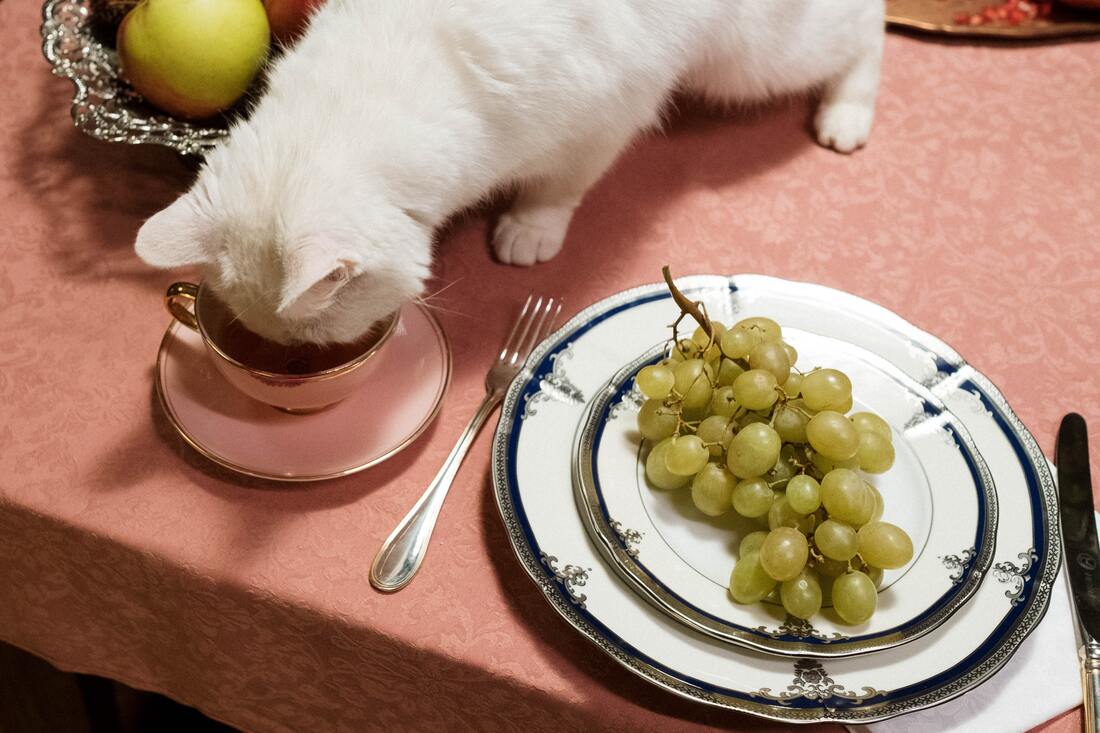 Photo by cottonbro studio on pexels.com Luckily, we’re increasingly recalibrating our knowledge of human nutrition to meet the specific needs of our pets, acknowledging that every organism has different requirements, and that what works for us might not work for our furry friends. Gone are the days when pets were expected to eat whatever surplus scraps their owners had left after a meal. Now, pet parents are eager to feed their beloved animals well, and to give to significant consideration to their nutritional intake. For this reason, pet health food is a growing market with both big brands and smaller companies diversifying their offerings to appeal to a variety of species, ages and body types. Of course, dogs and cats remain the most catered to demographics in the pet food market, which gives us even more reason to understand their diet; when faced with an abundance of options, we need at least a minimum amount of knowledge to ensure that we make the right choice. Throughout a continuing series of posts, we’ll be digging into all the available information, and exploring various aspect of your pet’s dietary needs. In this article specifically, we consider the unique nutritional requirements of cats, and cover some of the ways in which you can ensure your favorite feline stays fit and happy. Many of the following tips, however, could apply to any animal you care for. Look out for more posts about pet nutrition, including information specific to our canine companions. 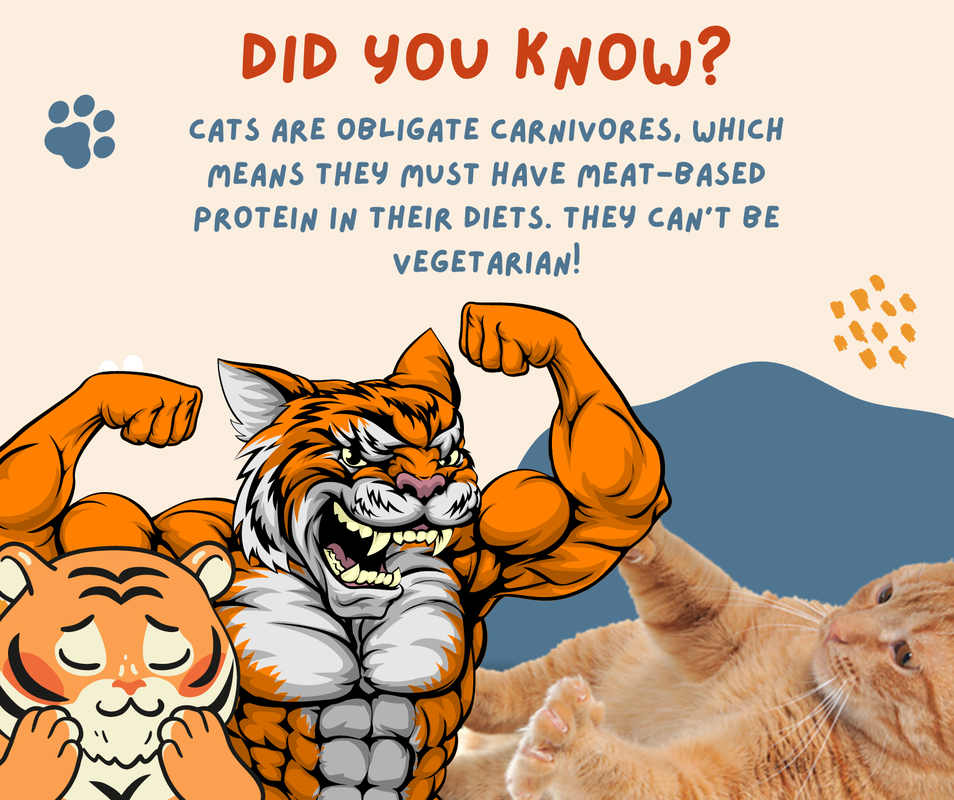 Understanding Your Cat's Dietary NeedsCats are obligate carnivores, which means their bodies are designed to thrive on a diet primarily consisting of animal-based proteins. Cats cannot be vegetarian, and need fatty acids, vitamins and minerals found only in natural tissue. Their nutritional requirements differ significantly from humans and even other pets. Consult your veterinarian to understand the specific dietary needs of your cat based on its breed, age, weight, and any medical conditions they might have. Remember, one of the most dominant myths in the pet care world is that cats love cow's milk. Neither kittens nor adult cats require significant amounts of milk or cream. These dairy products have no useful place within a cat’s nutritional system and often cause digestion problems. 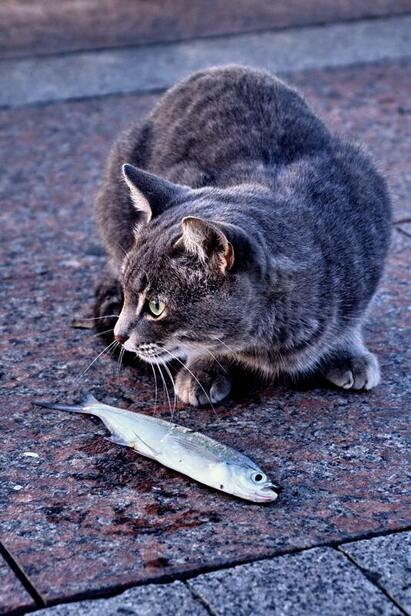 Photo by Сергей Сёмин on www.pexels.com High-Quality Protein is KeyProtein is the foundation of your cat's diet. Look for cat foods with meat or fish listed as the primary ingredient. These proteins provide essential amino acids that support muscle maintenance, organ function, and overall energy levels. Unlike humans, who enjoy variety in what they eat, pets in general can find it difficult digesting foods they aren’t accustomed to. Sticking with a single kind of protein can help avoid gastrointestinal problems. 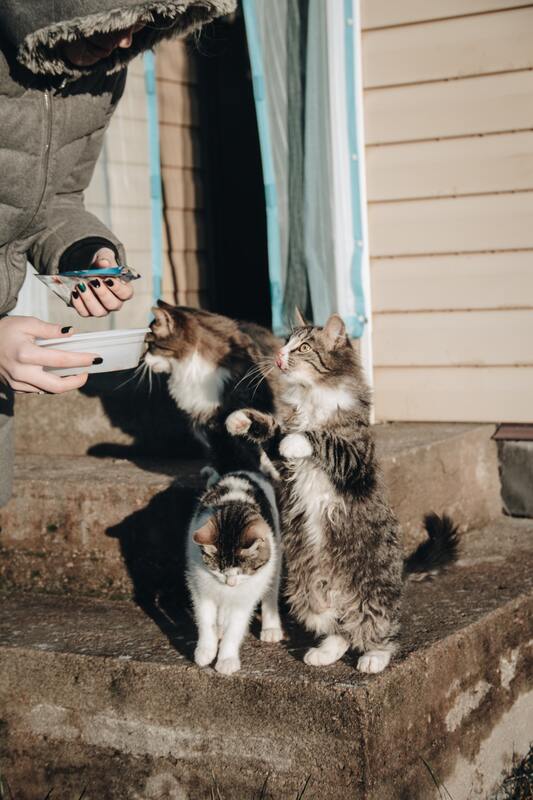 Photo by NastyaSensei on www.pexels.com Balance the NutrientsA balanced diet includes not only protein but also fats, carbohydrates, vitamins, and minerals. Too much or too little of any nutrient can lead to health issues. Consult with your vet to determine the optimal nutrient ratio for your cat's age and activity level. These days, you may come across “prescription foods”, dishes that are specifically tailored to help treat a specific condition. While, these foods can only be purchased through a veterinarian, they rarely contain any actual medicine and are not prescriptions in the usual sense of the word. There is some debate over prescription pet food, as it is often considerably more expensive than normal pet food, and its overall benefits have been contested by a number of studies. Make sure you’re working with a veterinarian you trust, and always check the label before you shell out cash for a product that may well be no better than what you usually buy from your local pet store. 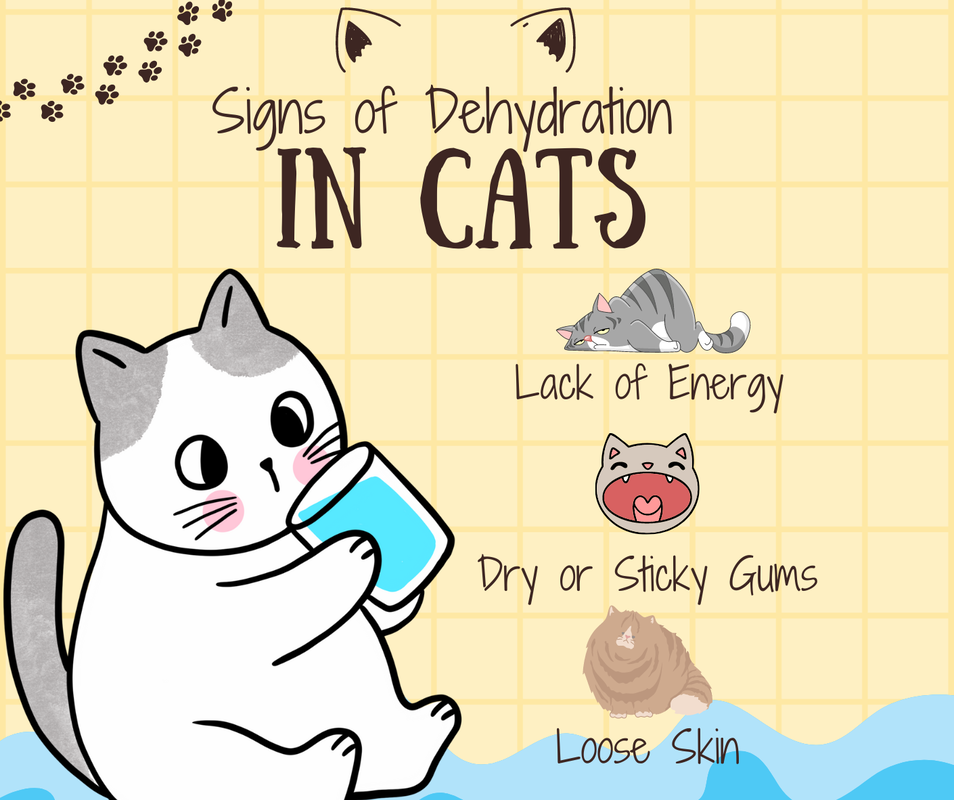 Adequate HydrationCats often have a low thirst drive, which can lead to dehydration, especially if they're on a dry kibble diet. Always provide fresh water and consider incorporating wet cat food into their diet. The moisture content helps maintain their hydration levels. This becomes especially important when you live in a hot climate, or during unexpected heat waves. It also pays to learn the signs of dehydration in your cat, so that you can catch the problem early on and hydrate accordingly. 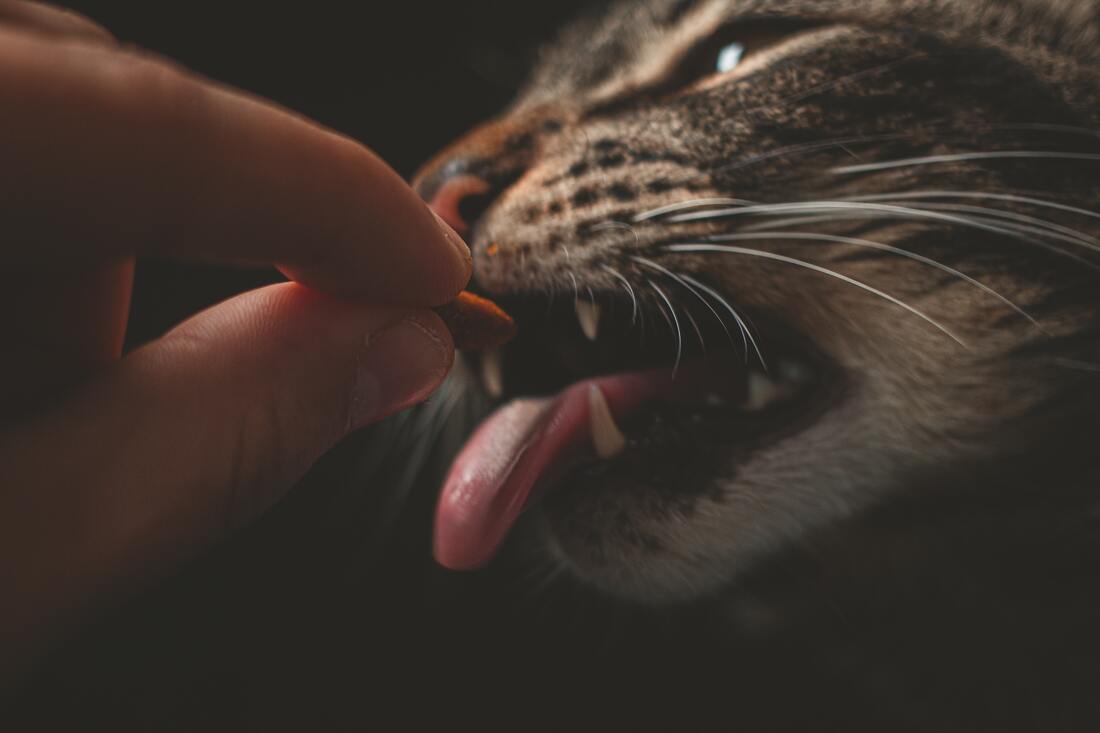 Photo by Lucas Pezeta on www.pexels.com Portion ControlObesity is a growing concern among cats, leading to various health problems like diabetes and joint issues. Follow feeding guidelines on the cat food packaging and adjust portions based on your cat's activity level and weight. Regularly monitor their weight and consult the vet if necessary. Generally, an adult domestic cat eats little and often, anywhere from 12 – 24 small meals over the course of a 24-hour period, which they spread relatively evenly across both daylight and night time hours. If your cat is free to roam and visit other houses, consider politely asking you neighbors to refrain from giving out treats. 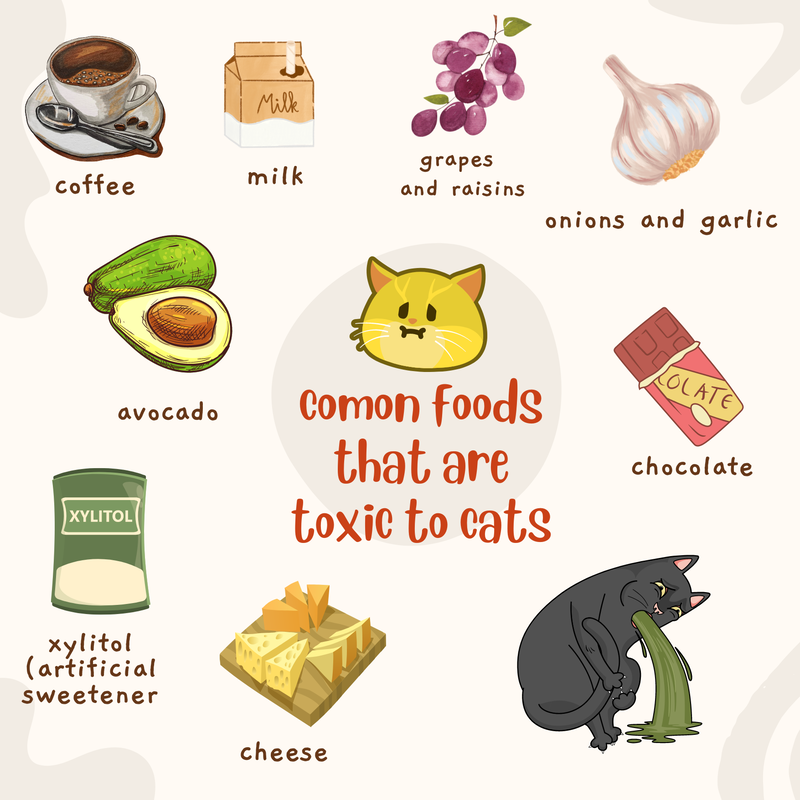 Avoid Toxic FoodsSome human foods are toxic to cats and should be strictly avoided. These include chocolate, grapes, onions, garlic, alcohol, and artificial sweeteners. Make sure to keep these substances out of your cat's reach. A less obvious danger can come from the kinds of trendy “raw diets” that have popped up over the past few years. As with prescription food, there is some debate over the safety and effectiveness of such diets, but whatever your final opinion, you should be careful any time you provide raw meat, as the risk for bacterial infection is considerably higher. Make sure any raw products you provide for your pet have been safely stored in a freezer. 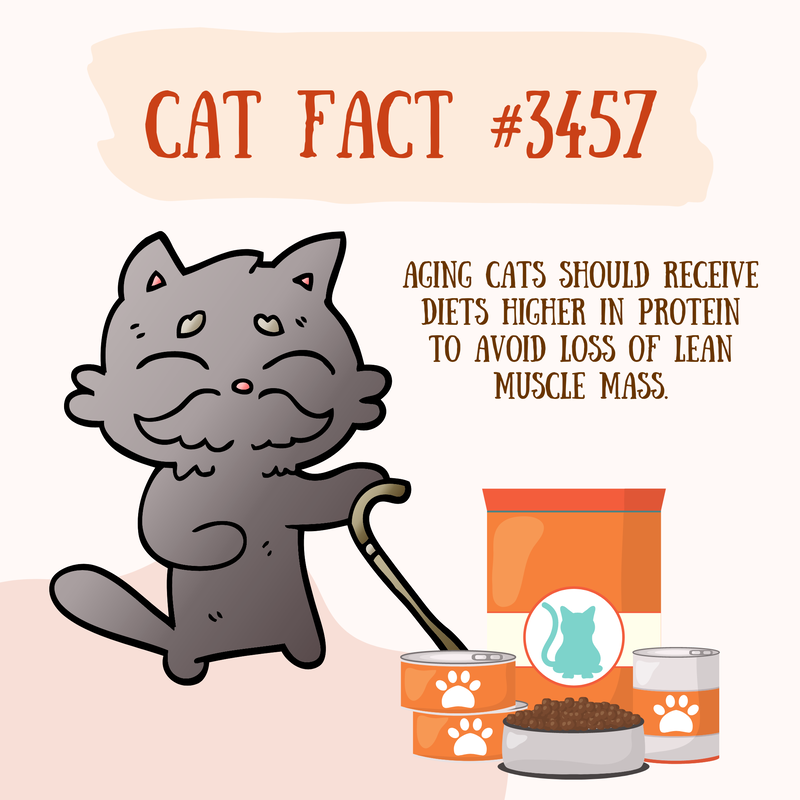 Consider Age-Appropriate Diets Kittens, adult cats, and senior cats have different nutritional requirements. Kittens need more calories and nutrients to support their growth, while senior cats might need diets that support joint health and manage age-related issues. Again, this is a case of doing a little research and consulting your vet. Remember, nobody knows your cat like you. Minimize TreatsWhile treats can be a way to bond with your cat, excessive treats can lead to nutritional imbalances. Choose high-quality cat treats and use them sparingly, preferably as rewards for training or special occasions. Try to resist feeding your pet from your dinner plate. It is difficult to resist pleading kitty-cat eyes, but encouraging random feeding can have a detrimental effect on your portion control strategy. 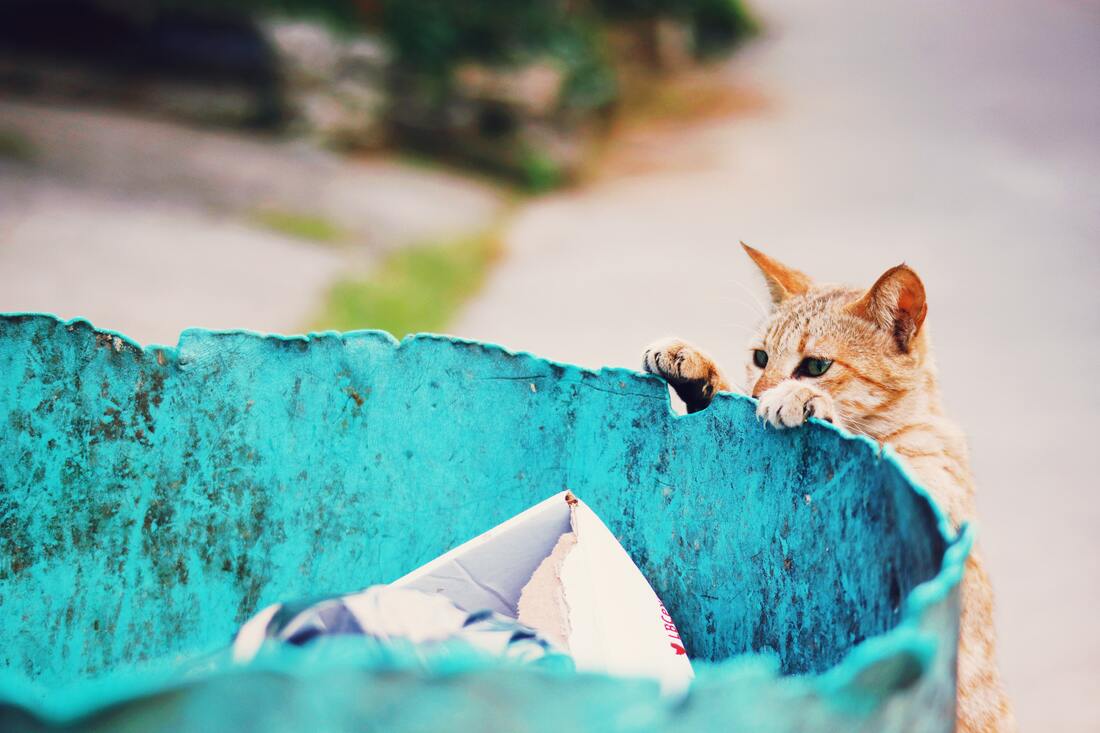 Photo by Nothing Ahead on www.pexels.com Monitor for Food AllergiesSome cats may develop food allergies or sensitivities over time. If you notice signs like gastrointestinal upset, skin problems, or excessive scratching, consult your vet to explore potential allergies and adjust their diet accordingly. Gradual Diet ChangesIf you're switching your cat's diet, do it gradually to avoid digestive upset. Mix the new food with the old one over several days until your cat is fully accustomed to the change. 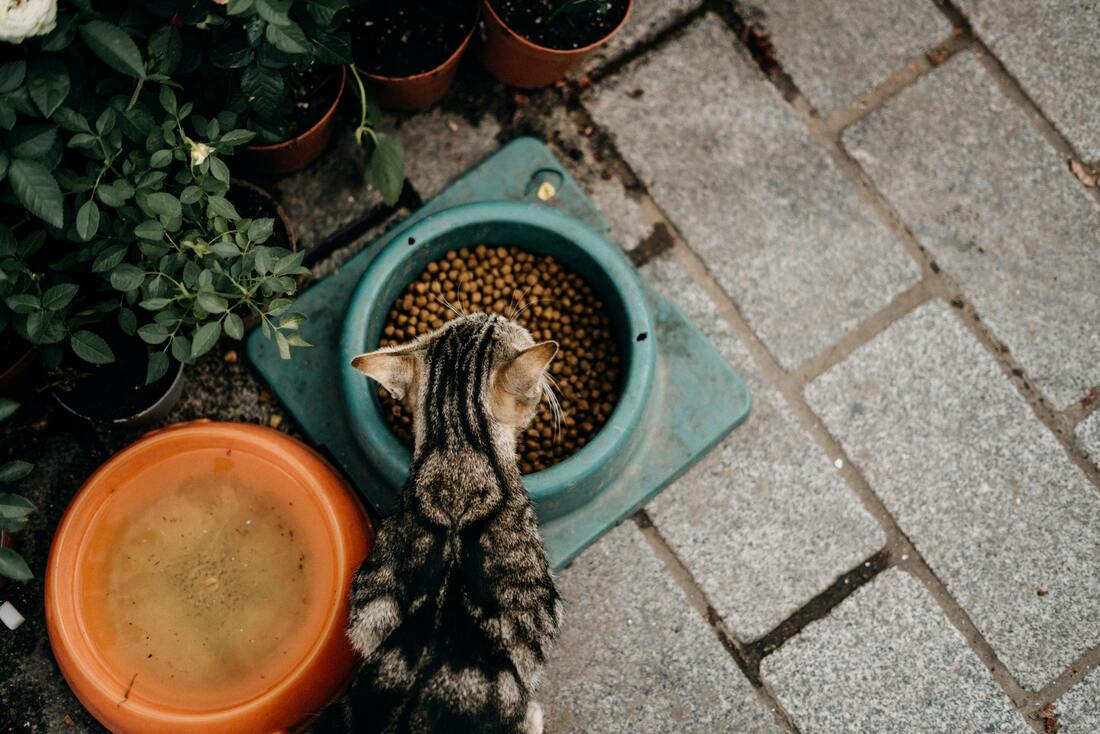 Photo by itsmeseher on www.pexels.com CONCLUSIONCaring for your cat's diet is a cornerstone of responsible pet ownership. Each cat has unique needs, and so careful research, observation and the professional expertise of your veterinarian should be your primary tools. Don’t assume your cat is like every other. Be attentive to how they react to certain foods, and make sure that they’re getting the right amount of each specific nutrient--protein, carbs, fats, and vitamins. Consider keeping a notebook or planner in which to track the foods you provide, and record any observations you make about your cat's responses to various dishes. Remember to share your nutritional strategy with your cat's other caretakers, so that they can maintain the consistency of your approach. A good diet will not completely protect your beloved pet from sickness and injury, but by making an effort, you ensure you have done everything possible to give your cat the life it deserves.
 Photo by Marcus Christensen: https://www.pexels.com Service animals play a crucial role in providing assistance, companionship, and support to individuals with disabilities. They are highly trained to perform specific tasks that help mitigate their owner's limitations. While dogs are the most common type of service animals, other animals such as miniature horses can also serve in this capacity. If you have a beloved pet that you believe can be trained to assist you or someone else with a disability, registering them as a service animal might be an option worth exploring. In this blog post, we'll delve into the process of registering your pet as a service animal, the benefits it brings, the legal aspects involved, and the steps you need to take. Photo by Zen Chung: https://www.pexels.com Understanding the Concept of Service AnimalsService animals are not the same as therapy animals or emotional support animals. The key distinction lies in their specific training and the tasks they are trained to perform. Service animals are trained to perform tasks that directly assist an individual with a disability. These tasks could include alerting someone with hearing loss to sounds, guiding visually impaired individuals, pulling a wheelchair, or even detecting impending medical issues such as seizures or changes in blood sugar levels. The primary focus of a service animal is to enable its owner to lead a more independent and fulfilling life by providing essential assistance.  Image by JackieLou DL from Pixabay Benefits of Registering a Service Animal
 Photo by Leon Natan: https://www.pexels.com Legal Considerations: Americans with Disabilities Act (ADA)The Americans with Disabilities Act (ADA) is a federal law in the United States that prohibits discrimination against individuals with disabilities. Under the ADA, service animals are defined as dogs (and in some cases, miniature horses) that are individually trained to perform tasks for people with disabilities. This definition is crucial, as it outlines the requirements for a pet to be considered a service animal:
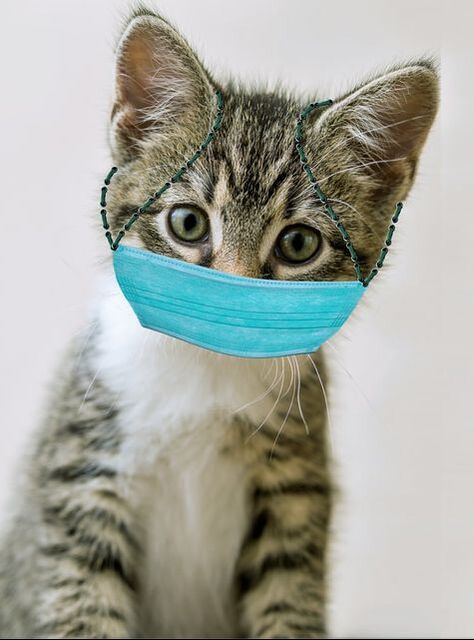 Image by Gundula Vogel from Pixabay Steps to Register Your Pet as a Service AnimalAssess Your Pet's Suitability: Not all pets are suitable candidates for becoming service animals. Assess your pet's temperament, trainability, and willingness to learn. Consider consulting with a professional dog trainer experienced in service animal training to gauge your pet's potential. Identify Specific Tasks: Determine the tasks that your pet can be trained to perform that will directly assist you or the individual with a disability. These tasks should be related to the disability and go beyond the basic functions of a pet. Training and Socialization: Enroll your pet in a comprehensive training program with a focus on task-specific training, public behavior, and socialization. This training should be conducted by a qualified professional who has experience in service animal training. Legal Understanding: Familiarize yourself with the legal requirements and protections provided by the ADA or the equivalent law in your country. Understanding your rights and responsibilities as a service animal handler is essential. No Formal Registration: It's important to note that there is no official or formal registration process for service animals in the United States. Websites that claim to offer "official" registration for service animals are often scams. A service animal is defined by its training and tasks, not by a registration certificate. Public Behavior and Etiquette: Your service animal should be well-behaved and not disrupt public spaces. Proper behavior includes staying calm around people and other animals, not begging for food, and not causing damage to property. Communicate Clearly: While service animals are not required to wear special vests or identification, having a clear and polite explanation ready for situations where questions arise can be helpful. Focus on describing the trained tasks your service animal performs. Be Prepared to Demonstrate Tasks: In situations where there might be doubts about your service animal's purpose, be prepared to demonstrate the specific tasks your animal is trained to perform.  Photo by Nataliya Vaitkevich: https://www.pexels.com CONCLUSIONRegistering your pet as a service animal can be a life-changing decision for both you and the individual with a disability you are assisting. The process requires careful consideration, proper training, and a thorough understanding of legal requirements. Service animals contribute to a more inclusive and accessible society, empowering individuals to lead independent lives with the support and companionship of their dedicated and trained four-legged companions. If you believe your pet has the potential to become a service animal, take the necessary steps to ensure they receive the proper training and care to make a positive impact on the lives of those in need. RESOURCESWelcoming a furry friend into your life can be an incredibly rewarding and transformative experience. The decision to adopt a pet is not to be taken lightly, as it involves a lifelong commitment to love, care, and provide for another living being. Whether you're considering adopting a cat, dog, bird, rabbit, or any other companion animal, there are several essential steps to ensure a smooth and responsible adoption process. In this blog post, we will walk you through the vital steps required to adopt a pet and provide insights into the journey of pet parenthood.  Photo by Sam Lion: https://www.pexels.com Step 1: Self-Reflection and ResearchThe first step on your path to pet parenthood is self-reflection. Ask yourself why you want to adopt a pet and what kind of pet would best suit your lifestyle, living situation, and preferences. Different pets have varying needs, personalities, and care requirements. Consider factors such as the amount of time you can dedicate to daily care, the size of your living space, the presence of allergies, and your family dynamics. Conduct thorough research about the specific needs, temperaments, and health considerations of different pet breeds or species. 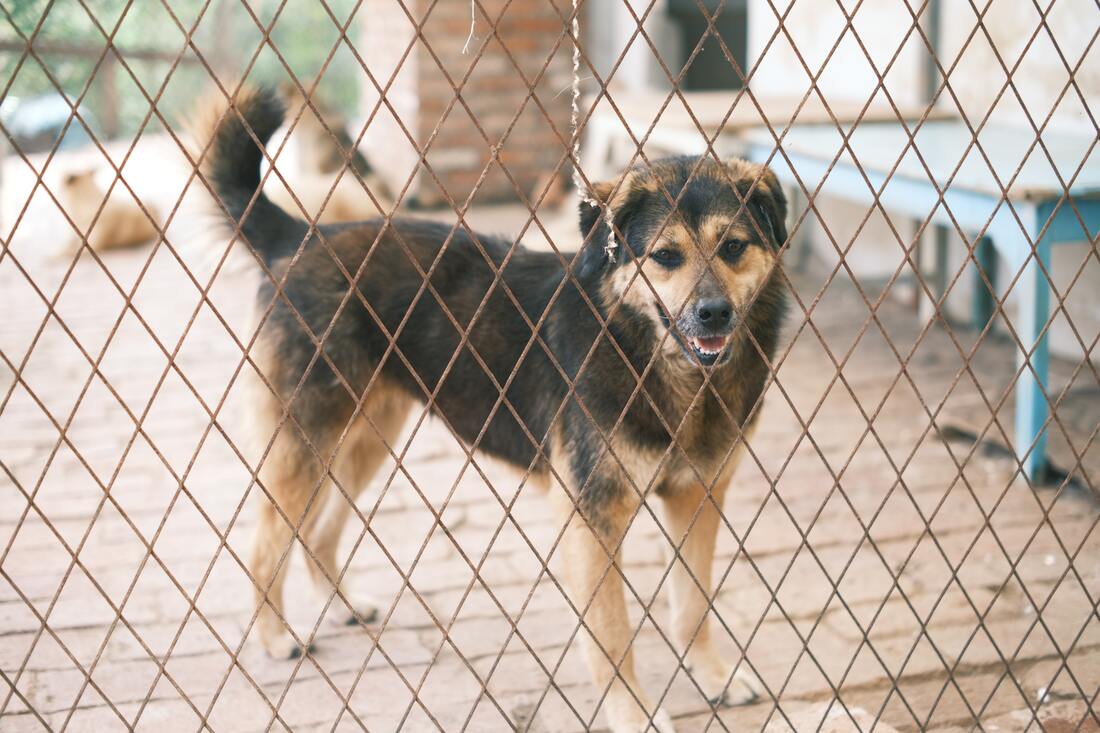 Photo by Mia X: https://www.pexels.com Step 2: Choosing the Right Pet Shelter or Rescue Once you have a clear idea of the type of pet you wish to adopt, find reputable shelters or rescues in your area. Look for organizations with a good track record of caring for animals and finding them suitable homes. Research their adoption policies, fees, and available pets. Visiting the shelter in person allows you to interact with the animals, assess their behavior, and make a connection.  Photo by Samson Katt: https://www.pexels.com Step 3: Preparing Your Home Before bringing your new pet home, create a safe and welcoming environment for them. Remove any hazards that could harm or stress the animal. Purchase essential supplies like a comfortable bed, food and water bowls, appropriate toys, grooming tools, and a collar with an identification tag. Establish a designated area for feeding, sleeping, and litter box placement, if applicable. 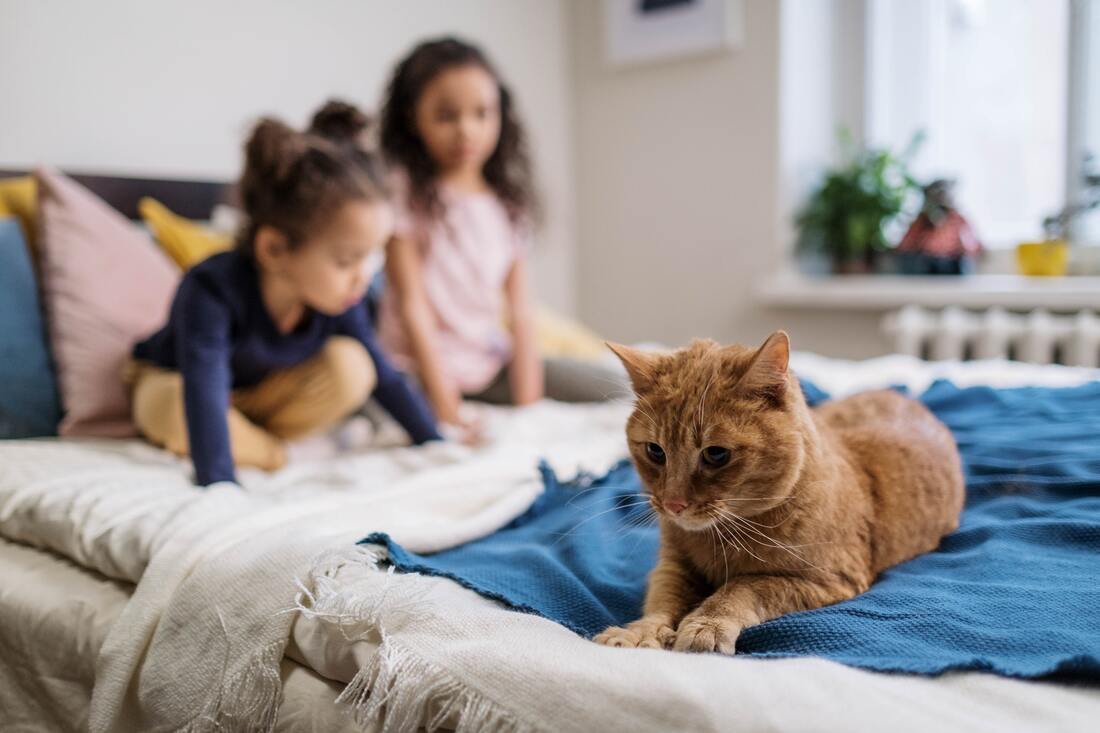 Photo by cottonbro studio: https://www.pexels.com Step 4: Meeting the Pet and Compatibility When you visit the shelter or rescue, spend time getting to know the pet you are interested in adopting. Observe their behavior and temperament to ensure they align with your expectations and lifestyle. If you have other pets at home, arrange a meet-and-greet to determine compatibility between the animals. It's essential to ensure that all pets can coexist peacefully and harmoniously. 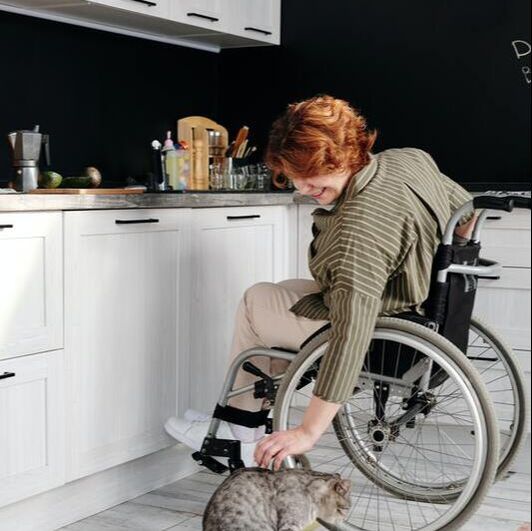 Photo by Marcus Aurelius: https://www.pexels.com Step 5: The Adoption Process The adoption process varies from one organization to another, but it typically involves completing an application, providing references, and possibly a home visit. Be prepared to answer questions about your lifestyle, previous pet ownership experiences, and your plans for the new pet. Some shelters may require an adoption fee, which often includes initial vaccinations, spaying or neutering, and a microchip.  Photo by Dom Bucci: https://www.pexels.com Step 6: Veterinary Care and Microchipping As a responsible pet owner, it's crucial to schedule a visit to the veterinarian shortly after adopting your pet. The veterinarian will conduct a thorough health examination, administer necessary vaccinations, and discuss a preventive care plan. Additionally, consider having your pet microchipped to increase the chances of a safe return if they ever get lost. 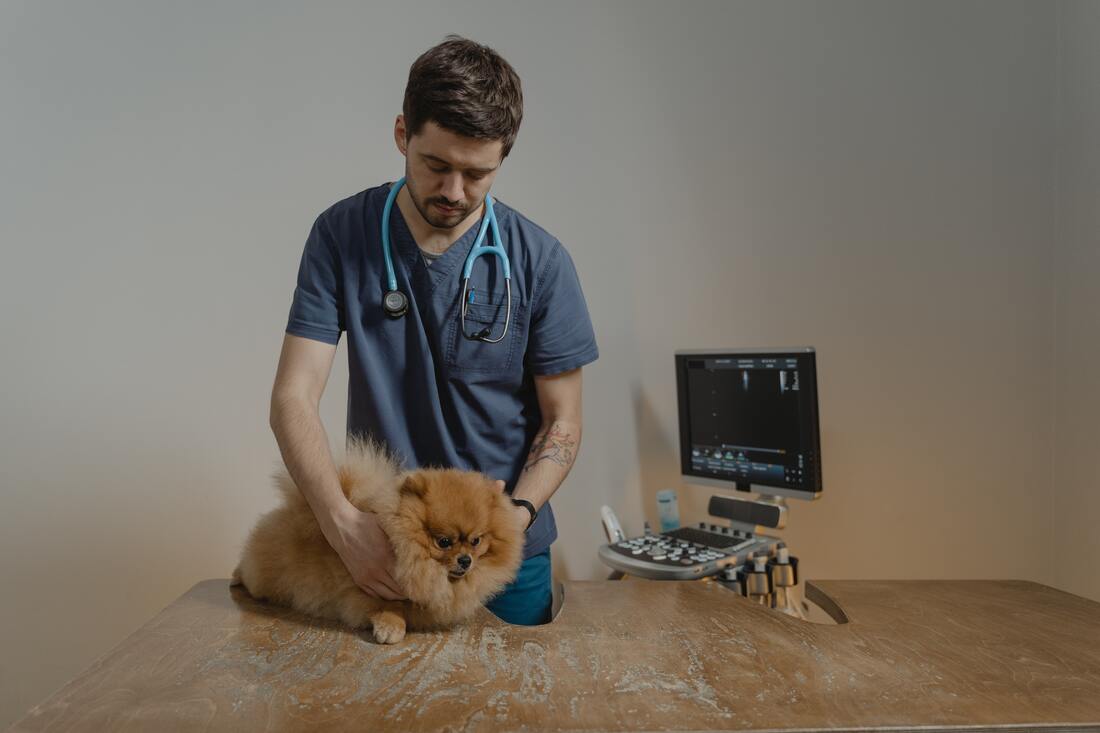 Photo by Tima Miroshnichenko: https://www.pexels.com Step 7: Training and Socialization Many adopted pets may have experienced trauma or neglect in their past. Patience and positive reinforcement are essential when training and socializing your new companion. Enroll in obedience classes or seek professional guidance to teach basic commands and proper behavior. Socialize your pet with other animals and people to build confidence and promote a well-adjusted temperament. 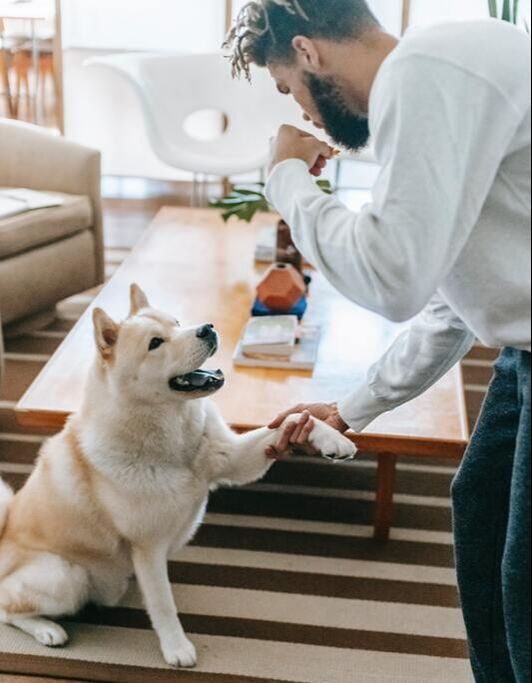 Photo by Zen Chung: https://www.pexels.com Step 8: Time, Love, and Commitment Remember that adopting a pet is a lifelong commitment. Animals need time, attention, and love to thrive physically and emotionally. Establish a routine for feeding, exercise, grooming, and playtime. Develop a strong bond with your pet through quality time spent together.  Photo by Sam Lion: https://www.pexels.com/ Conclusion: The journey to pet parenthood can be both exciting and challenging. By following these essential steps, you will ensure a smooth and responsible adoption process, setting the foundation for a fulfilling and loving relationship with your new furry friend. The rewards of pet ownership are immeasurable, as you and your pet will undoubtedly enrich each other's lives for years to come. Embrace the joys and responsibilities that come with being a pet parent, and may this new chapter be filled with unconditional love, loyalty, and companionship.
|
AUTHORSOur blog is managed by Ryan Hilary with additional contributions from our awesome volunteers and supporters. Are you a member of our community and have a great idea for a post (or maybe want to write one yourself?). Reach out to [email protected]. Archives
May 2024
Categories
All
|
||||||
PAWS/LA
150 W. 24th Street
Los Angeles, CA 90007 Tel: 213.741.1950 Fax: 213.741.1640 [email protected] www.pawsla.org |
Quick Links
|
Stay In Touch
|
Give A Gift
Federal Tax ID#: 95-4178092
|
|
 RSS Feed