
People and Pets... Better Together!
 Ryan Hilary with Canva IntroductionSummer is upon us! If last year was anything to go by (as well as a worldwide pattern of steadily rising temperatures) we’re going to see some real scorchers come July and August. For many of us, that means pulling the cover off our backyard pool or taking a trip to the beach or local swimming pool. In other words, where there’s heat there’s water—lots of water. But as pleasurable as a long swim on a hot day can be, pools, oceans and lakes introduce a particular set of safety concerns, especially for pet owners. In this post, we take a deep dive (pun intended) into best practices for water safety, ensuring that your animal gets to enjoy a good dip without compromising their safety and well-being.  Courtesy of AustraliaWide First Aid Lifeguard On Duty: Restrict and Supervise!The golden rule of pet-centered water safety is never to leave your pet unsupervised near water. Ever. Whether it's a pool, lake, river, or even a bathtub, accidents can happen in the blink of an eye and owners need to stay vigilant, especially if the pet in question is not a strong swimmer. This means restricting your animal to a certain vicinity if visiting a lake or the ocean and ensuring that any backyard swimming pools are covered or fenced off when you aren’t present. In some cases, you may be able to set your pool with an alarm that sounds when something has breached the fence, gate or covering. Additionally, consider investing in flotation devices designed with pets in mind. These can include life jackets or vests specially made for dogs and cats. Make sure that the flotation device fits properly and doesn't restrict your pet's movement. This way, if your attention lapses for a moment, and your pet gets into trouble, they’ll have some solid protection against drowning, giving you time to step in and help. Speaking of which, make sure you know pet CPR and first aid. These skills can make a lifesaving difference in an emergency. You can enroll in a pet CPR and first aid course to learn the essentials and there are many additional guides and resources online.  From: https://www.pdsa.org.uk/pet-help-and-advice/pet-health-hub/other-veterinary-advice/cpr-for-dogs-and-puppies Wet Your Paws Slowly!If you do decide to let your pet swim, make sure to introduce them to water gradually. Not all domestic animals are natural swimmers, and some may feel apprehensive about taking a plunge, either for the first time, or if it’s been a while since they last swam. In either case, start with shallow water in a controlled environment (i.e. not an open ocean), and let your pet get comfortable at their own pace. Once your pet is comfortable in smaller, contained bodies of water, teach them some basic swimming skills. Support them gently while encouraging them to paddle and avoid forcing them to continue if they seem tired or uncomfortable. It’s crucial to insulate your pet from anything that might create fear and anxiety, ultimately causing them to panic and tire themselves out. WARNING! Some breeds of dogs simply don't do well around water--especially those with short legs and muzzles. Make sure you know the particulars of your dog's breed before letting them even attempt to swim. Provide Easy Exit PointsWherever they’re swimming, make sure that your pet always has easy access to an exit point. This is especially important for pools, where pets can struggle to find the stairs or ramp. Clearly mark easy exit areas and train your pet to identify and use them. Be wary of pools equipped only with metal ladders, as few animals will be able to use these effectively and may slip and injure themselves when attempting to climb up. In these cases, consider purchasing a separate ramp to attach to the side of the pool. Any ramp will suffice, but some are designed specifically with swimming pools in mind, although these can be expensive.  Ryan Hilary with Canva Monitor Pool ChemicalsIf you have a pool at home, be cautious about the chemicals you use to maintain it.
 The Ocean is Beautiful…and DangerousWhile all these tips apply to a seaside setting, bear in mind that the ocean is often something else entirely, presenting its own set of challenges and dangers. Sudden changes in weather or tide can make an initially safe swimming situation dangerous in an instant. Learn about any beach you and your pet want to visit, consulting an on-duty lifeguard, if possible. You should be aware of any stretch of water that might conceal a rip tide or other dangerous “pull” capable of sweeping your pet away from shore. Remember, that these dangers can depend on the time of day. What was safe in the morning might be dangerous in the afternoon. Generally, only the strongest swimmers should wade out of their depth in the ocean. And while it’s usually perfectly safe for your animal to play on the edge of the surf be mindful of large waves, which might knock your pet over, or drag them out of their depth.  Robina Weermeijer from Unsplash.com Be Aware of “Dry Drowning”Dry drowning, also known as secondary drowning or near-drowning, may occur if your pet inhales even a small amount of water. This can irritate their throat and cause the vocal cords to spasm. In severe cases, portions of the animal’s airway might swell, restricting their ability to breathe. Though your pet may initially look okay, it’s important to monitor them closely for a period following any near-drowning incident. If they seem to be in discomfort of any kind, get them checked by a veterinarian. Dry drowning symptoms to look for include:
If your dog falls into water and is submerged for any period, this is a medical emergency that should be addressed immediately.  Anthony Duran from Unsplash.com conclusionSwimming on a hot day is one of summer’s great pleasures—for pets and their owners alike. But as with young children, water can pose a real threat to unprepared animals. Knowing your pet’s habits is important, as is evaluating their ability to swim and their overall comfort level around water. Even if an animal is technically strong enough to navigate a lake or pool, becoming submerged in water can sometimes cause them to panic, diminishing their ability to make it safely back to dry land. Proceed cautiously, stay present and observe closely, taking whatever physical precautions are necessary to ensure your animal doesn’t enter the water without a competent guardian present. In this way, you can ensure your animal enjoys the best summer has to offer.
 Photo by Sheep on www.pexels.com Your Animal’s Diet Matters! As one of the fundamental conditions needed to sustain life, nutrition drives every aspect of our biological functioning, either fortifying or weakening body and mind. A good diet will fend off illness and disease, ensure that we have enough energy to live a productive life, and toughen our bodies against injury. A poor diet leaves us vulnerable to every kind of physical harm, and can exacerbate, or even cause, mental health disorders, leading to increased levels of depression and anxiety. In other words, food matters. A lot. As humans we have access to a wealth of information on good nutrition, as well as a market saturated with healthy food offerings. Our understanding continues to grow steadily, with new diets and nutritional strategies entering our cultural consciousness on what feels like a daily basis. What we sometimes overlook, however, is that proper nutrition is just as important for our pets. Without realizing it, we might subscribe to the idea that our pets will function just as well no matter what they eat—that as long as they’re fed, and protected from allergens and poisons, they’ll be healthy. This simply isn’t true. Animals are complex organisms just as we are. Their age, sex, genetic makeup and evolutionary habits dictate the specific combination of nutrients that are optimal for their health. A pet might be exceptionally well-fed, and cared for in every aspect, and yet be lacking vital sources of nutrition, simply because the owner doesn’t know what they should be providing.  Photo by cottonbro studio on pexels.com Luckily, we’re increasingly recalibrating our knowledge of human nutrition to meet the specific needs of our pets, acknowledging that every organism has different requirements, and that what works for us might not work for our furry friends. Gone are the days when pets were expected to eat whatever surplus scraps their owners had left after a meal. Now, pet parents are eager to feed their beloved animals well, and to give to significant consideration to their nutritional intake. For this reason, pet health food is a growing market with both big brands and smaller companies diversifying their offerings to appeal to a variety of species, ages and body types. Of course, dogs and cats remain the most catered to demographics in the pet food market, which gives us even more reason to understand their diet; when faced with an abundance of options, we need at least a minimum amount of knowledge to ensure that we make the right choice. Throughout a continuing series of posts, we’ll be digging into all the available information, and exploring various aspect of your pet’s dietary needs. In this article specifically, we consider the unique nutritional requirements of cats, and cover some of the ways in which you can ensure your favorite feline stays fit and happy. Many of the following tips, however, could apply to any animal you care for. Look out for more posts about pet nutrition, including information specific to our canine companions. 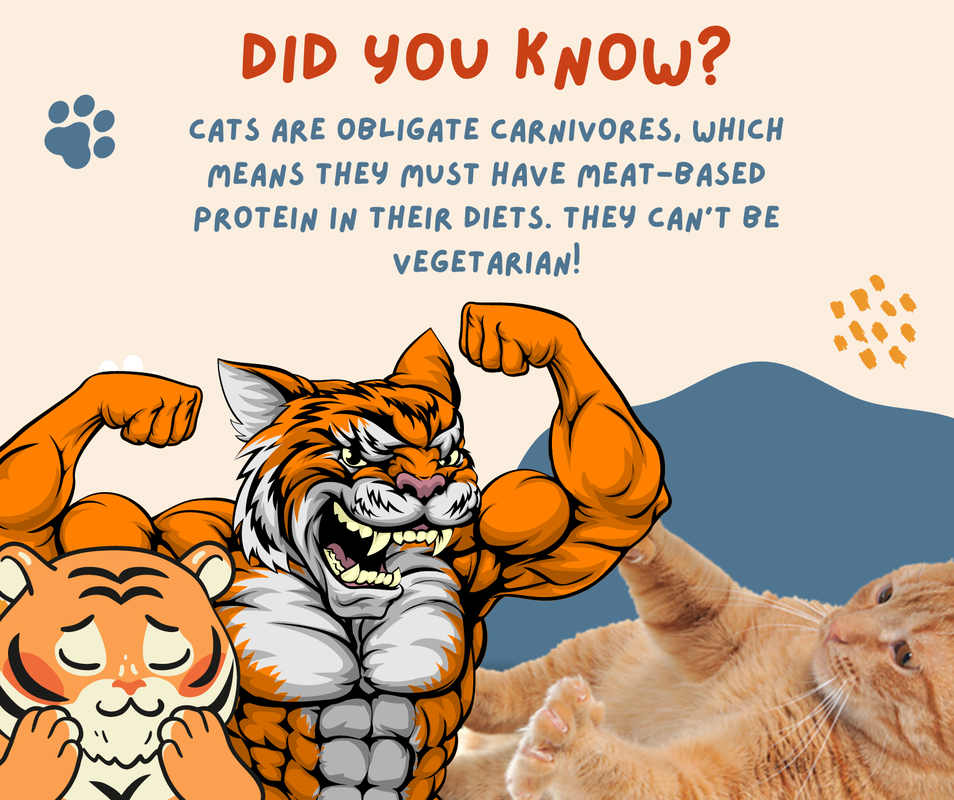 Understanding Your Cat's Dietary NeedsCats are obligate carnivores, which means their bodies are designed to thrive on a diet primarily consisting of animal-based proteins. Cats cannot be vegetarian, and need fatty acids, vitamins and minerals found only in natural tissue. Their nutritional requirements differ significantly from humans and even other pets. Consult your veterinarian to understand the specific dietary needs of your cat based on its breed, age, weight, and any medical conditions they might have. Remember, one of the most dominant myths in the pet care world is that cats love cow's milk. Neither kittens nor adult cats require significant amounts of milk or cream. These dairy products have no useful place within a cat’s nutritional system and often cause digestion problems. 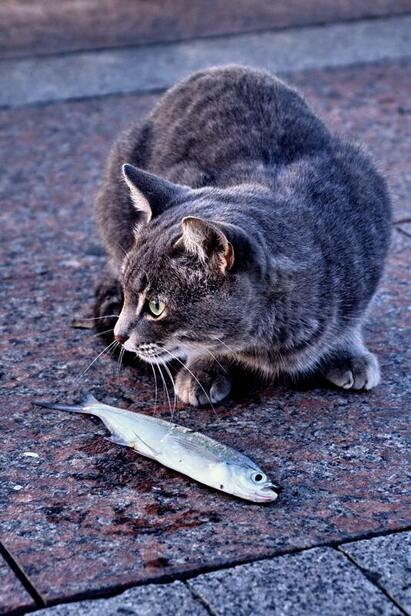 Photo by Сергей Сёмин on www.pexels.com High-Quality Protein is KeyProtein is the foundation of your cat's diet. Look for cat foods with meat or fish listed as the primary ingredient. These proteins provide essential amino acids that support muscle maintenance, organ function, and overall energy levels. Unlike humans, who enjoy variety in what they eat, pets in general can find it difficult digesting foods they aren’t accustomed to. Sticking with a single kind of protein can help avoid gastrointestinal problems.  Photo by NastyaSensei on www.pexels.com Balance the NutrientsA balanced diet includes not only protein but also fats, carbohydrates, vitamins, and minerals. Too much or too little of any nutrient can lead to health issues. Consult with your vet to determine the optimal nutrient ratio for your cat's age and activity level. These days, you may come across “prescription foods”, dishes that are specifically tailored to help treat a specific condition. While, these foods can only be purchased through a veterinarian, they rarely contain any actual medicine and are not prescriptions in the usual sense of the word. There is some debate over prescription pet food, as it is often considerably more expensive than normal pet food, and its overall benefits have been contested by a number of studies. Make sure you’re working with a veterinarian you trust, and always check the label before you shell out cash for a product that may well be no better than what you usually buy from your local pet store. 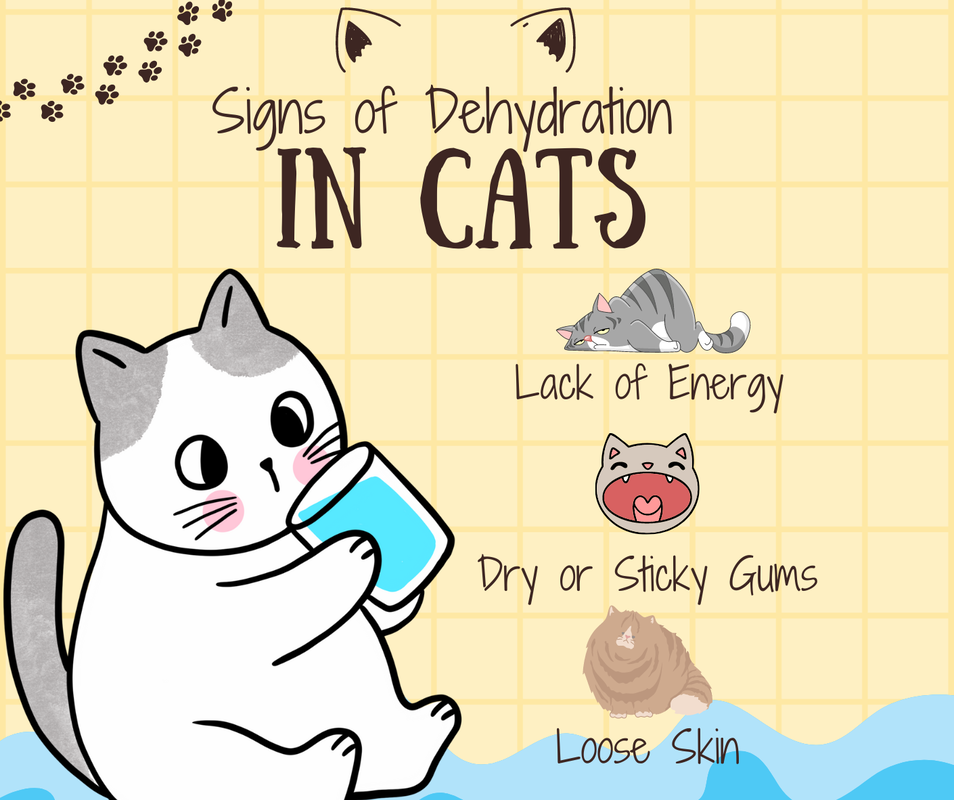 Adequate HydrationCats often have a low thirst drive, which can lead to dehydration, especially if they're on a dry kibble diet. Always provide fresh water and consider incorporating wet cat food into their diet. The moisture content helps maintain their hydration levels. This becomes especially important when you live in a hot climate, or during unexpected heat waves. It also pays to learn the signs of dehydration in your cat, so that you can catch the problem early on and hydrate accordingly. 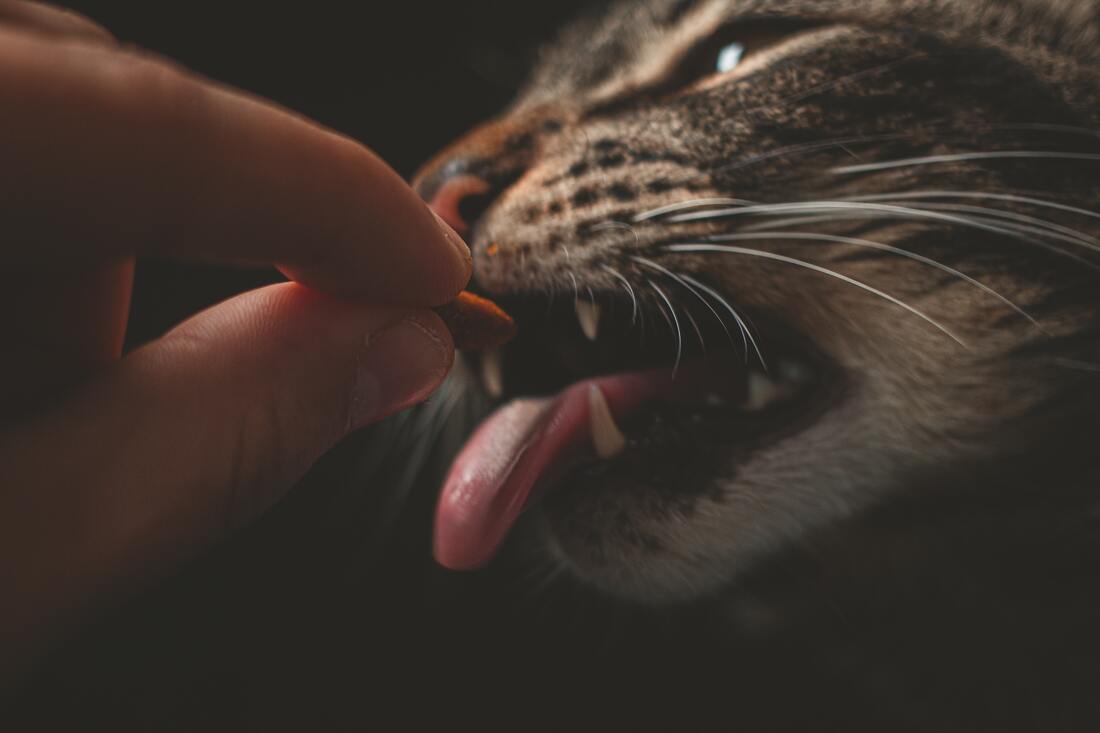 Photo by Lucas Pezeta on www.pexels.com Portion ControlObesity is a growing concern among cats, leading to various health problems like diabetes and joint issues. Follow feeding guidelines on the cat food packaging and adjust portions based on your cat's activity level and weight. Regularly monitor their weight and consult the vet if necessary. Generally, an adult domestic cat eats little and often, anywhere from 12 – 24 small meals over the course of a 24-hour period, which they spread relatively evenly across both daylight and night time hours. If your cat is free to roam and visit other houses, consider politely asking you neighbors to refrain from giving out treats. 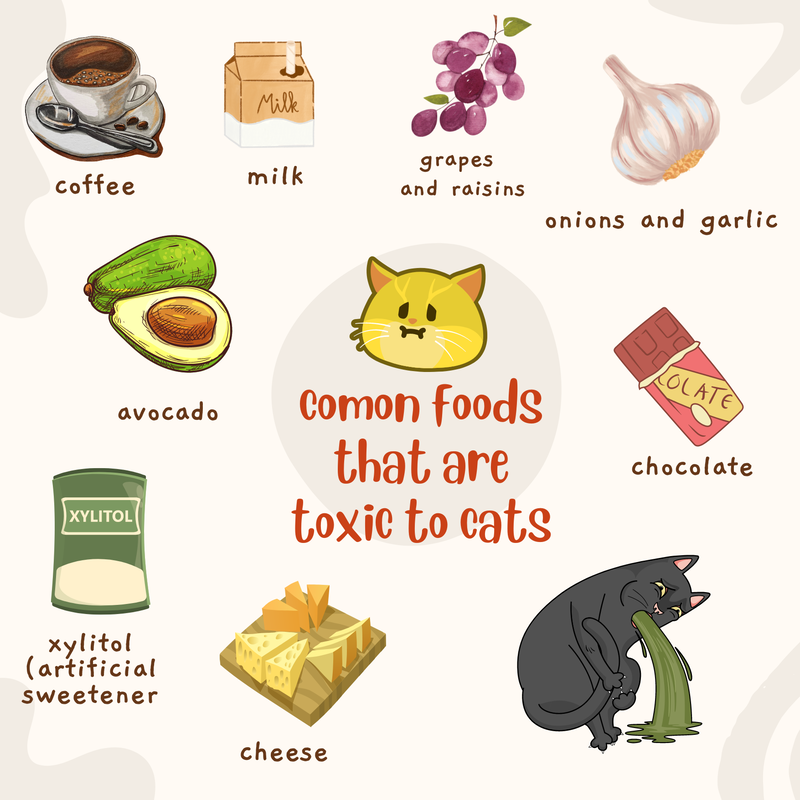 Avoid Toxic FoodsSome human foods are toxic to cats and should be strictly avoided. These include chocolate, grapes, onions, garlic, alcohol, and artificial sweeteners. Make sure to keep these substances out of your cat's reach. A less obvious danger can come from the kinds of trendy “raw diets” that have popped up over the past few years. As with prescription food, there is some debate over the safety and effectiveness of such diets, but whatever your final opinion, you should be careful any time you provide raw meat, as the risk for bacterial infection is considerably higher. Make sure any raw products you provide for your pet have been safely stored in a freezer. 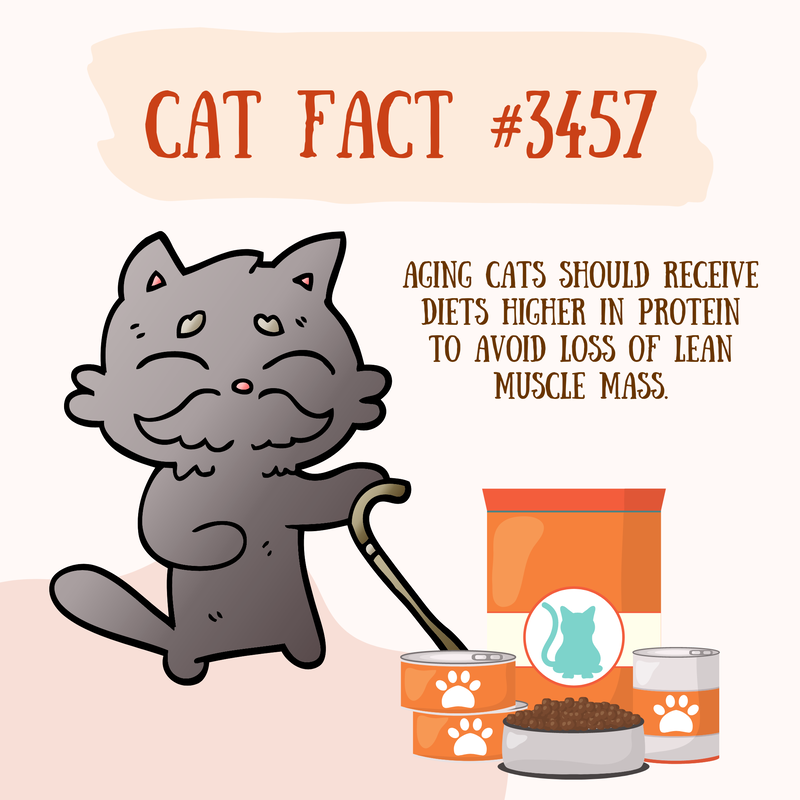 Consider Age-Appropriate Diets Kittens, adult cats, and senior cats have different nutritional requirements. Kittens need more calories and nutrients to support their growth, while senior cats might need diets that support joint health and manage age-related issues. Again, this is a case of doing a little research and consulting your vet. Remember, nobody knows your cat like you. Minimize TreatsWhile treats can be a way to bond with your cat, excessive treats can lead to nutritional imbalances. Choose high-quality cat treats and use them sparingly, preferably as rewards for training or special occasions. Try to resist feeding your pet from your dinner plate. It is difficult to resist pleading kitty-cat eyes, but encouraging random feeding can have a detrimental effect on your portion control strategy. 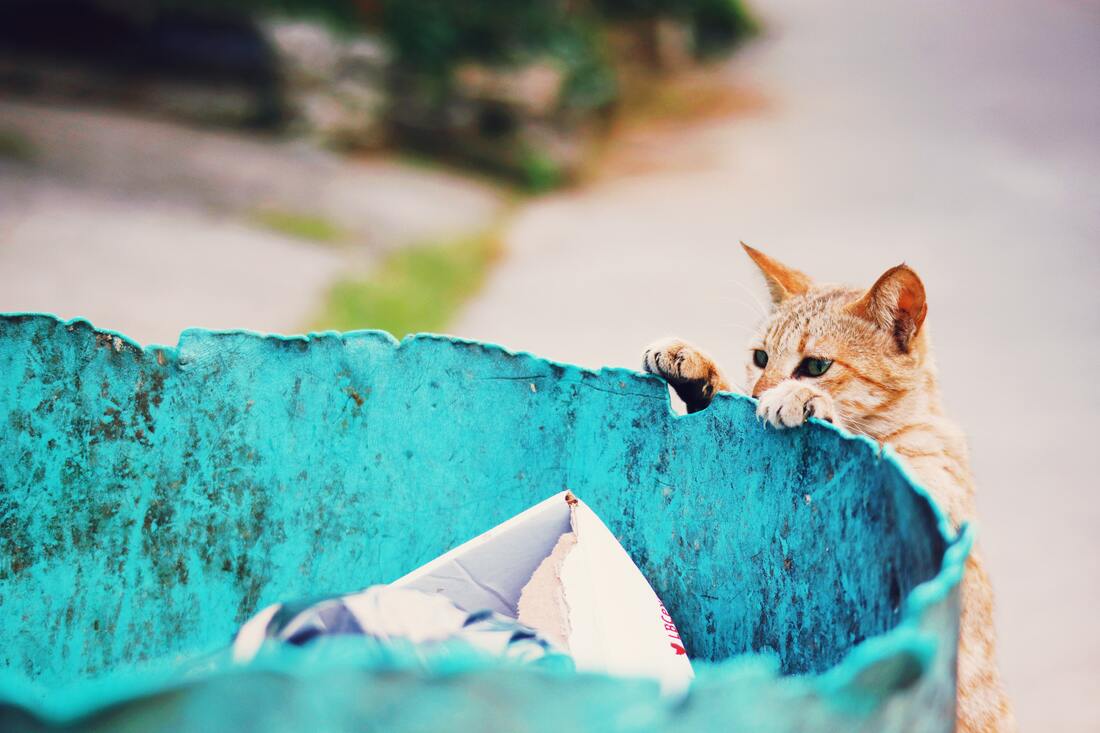 Photo by Nothing Ahead on www.pexels.com Monitor for Food AllergiesSome cats may develop food allergies or sensitivities over time. If you notice signs like gastrointestinal upset, skin problems, or excessive scratching, consult your vet to explore potential allergies and adjust their diet accordingly. Gradual Diet ChangesIf you're switching your cat's diet, do it gradually to avoid digestive upset. Mix the new food with the old one over several days until your cat is fully accustomed to the change.  Photo by itsmeseher on www.pexels.com CONCLUSIONCaring for your cat's diet is a cornerstone of responsible pet ownership. Each cat has unique needs, and so careful research, observation and the professional expertise of your veterinarian should be your primary tools. Don’t assume your cat is like every other. Be attentive to how they react to certain foods, and make sure that they’re getting the right amount of each specific nutrient--protein, carbs, fats, and vitamins. Consider keeping a notebook or planner in which to track the foods you provide, and record any observations you make about your cat's responses to various dishes. Remember to share your nutritional strategy with your cat's other caretakers, so that they can maintain the consistency of your approach. A good diet will not completely protect your beloved pet from sickness and injury, but by making an effort, you ensure you have done everything possible to give your cat the life it deserves.
|
AUTHORSOur blog is managed by Ryan Hilary with additional contributions from our awesome volunteers and supporters. Are you a member of our community and have a great idea for a post (or maybe want to write one yourself?). Reach out to [email protected]. Archives
May 2024
Categories
All
|
PAWS/LA
150 W. 24th Street
Los Angeles, CA 90007 Tel: 213.741.1950 Fax: 213.741.1640 [email protected] www.pawsla.org |
Quick Links
|
Stay In Touch
|
Give A Gift
Federal Tax ID#: 95-4178092
|
|
 RSS Feed