
|
As Pride Month unfolds, it offers us a moment to reflect on how far the LGBTQ+ community has come, and on the lifelines that carried so many through the darkest chapters of our shared history. For PAWS/LA, this reflection is inextricably linked to the very fabric of our mission. Our organization’s origins are rooted deeply in the height of the HIV/AIDS epidemic—a time marked by profound fear, systemic neglect, and staggering loss. When PAWS/LA was formed in 1989, much less was known about HIV and AIDS. Medical care was scarce or primitive, and there was no social safety net for those impacted by the disease. In many cases, insurance did not cover the prohibitive prices of the drugs used to slow or arrest the effects of the virus. Instead, this was a period of stigma, misinformation, and panic, during which many members of the LGBTQ+ community faced increased discrimination and abuse. At that time, the founding members of PAWS/LA observed the crucial role that pets played in the lives of those suffering from HIV or AIDS. They repeatedly encountered situations in which the sick eschewed their own treatment to feed and care for their animals. In the coming decades, science would prove what our founding members could see as a matter of common sense and observation: Pets are a crucial therapeutic tool for those suffering from a variety of diseases or disorders. Pet ownership is not a luxury. It is a lifeline, a public health issue. Today, the medical landscape of HIV/AIDS has transformed miraculously, turning what was once a terminal diagnosis into a manageable chronic condition for many. However, the mental, emotional, and psychological hurdles endure. Through it all, our pets are still working that same quiet magic. They are far more than mere companions; they are a vital source of physical and emotional strength. A Legacy Forged in CrisisIn the 1980s and 1990s, individuals diagnosed with HIV/AIDS frequently faced a heartbreaking dual tragedy: a devastating illness and the sudden, sharp abandonment by family, friends, and society at large. A lack of medical understanding resulted in widespread misinformation about the nature of the illness and many believed they could "catch" the virus simply by being close to someone suffering from it. The resulting stigma was suffocating. In empty apartments and quiet hospital rooms, pets became the primary—and sometimes the only—source of physical affection and unconditioned love. A dog did not understand the stigma of a virus; a cat did not pull away in fear. They simply stayed. But as the illness progressed, many individuals found themselves too weak to walk their dogs, too financially drained by medical bills to afford cat food, or terrified of what would happen to their beloved companions if they were hospitalized. Severing the bond between a person and their pet during a health crisis doesn't just break a heart—it shatters a crucial pillar of mental health and survival. The Ultimate Antidote to IsolationWhile the immediate crisis of the epidemic has passed, the isolation that often accompanies chronic illness remains a formidable adversary. Living with a long-term health condition can cause a person’s world to rapidly shrink. Fatigue, medication side effects, and the lingering historical weight of stigma can make socializing exhausting. It is incredibly easy to retreat, to stay indoors, and to disconnect. Pets act as the ultimate, immediate antidote to this isolation. They cut through the silence of an empty room with a gentle nudge, a meow, or the steady rhythm of their breathing. The psychological safety they provide is absolute. When a client interacts with their pet, they do not have to explain their fatigue, mask their pain, or manage another person's expectations. The animal doesn't see a diagnosis, a bad day, or a societal label; they simply see their person. That unwavering, non-judgmental presence offers a profound sense of belonging that is essential for long-term mental well-being. It is a daily reminder that they are seen, needed, and loved exactly as they are. An Anchor in the Daily Routine Depression and chronic fatigue are notorious thieves of time and structure. When a depressive episode sets in, or the physical toll of an illness makes the body feel like lead, it can be monumentally difficult to find a reason to get out of bed. The day loses its shape. But a hungry cat waiting by the food bowl, or a dog standing expectantly by the front door with a leash, provides a gentle, mandatory push. Caring for an animal forces an external routine upon us when our internal motivation fails. It demands that we rise, that we engage with the physical world, and that we provide care for another living thing. This sense of obligation is a massive protective factor for mental health. The daily mechanics of pet ownership—fetching the food, stepping outside for a walk, feeling the sun on your face, throwing a toy—serve as anchors on the hardest days. By requiring us to care for them, our pets inadvertently force us to take care of ourselves. They give the day structure, and more importantly, they provide a tangible, daily sense of purpose. The Medicine of Comfort and TouchWe often overlook the profound psychological toll of physical isolation. "Touch starvation" is a very real, documented phenomenon, particularly for individuals living alone or navigating health challenges that make them feel alienated from their own bodies. Human beings are fundamentally wired for physical connection, and the absence of it can lead to heightened anxiety, depression, and stress. Sometimes, the most effective therapy is entirely silent and profoundly tactile. The simple act of stroking a cat’s fur, feeling the vibration of a purr against your chest, or having a dog rest their heavy head on your knee causes a rapid, tangible physiological shift. Medical studies have shown that just ten minutes of interacting with a pet significantly lowers cortisol levels—the hormone responsible for stress and anxiety. Simultaneously, it triggers the release of oxytocin, serotonin, and prolactin, the hormones associated with bonding, happiness, and relaxation. This isn't just a comforting thought; it is an active, biological intervention. For our clients, their pets serve as living, breathing medicine, providing immediate, natural anxiety relief that no prescription can replicate. A Safe Space for Both Grief and JoyLiving with a chronic illness often involves a quiet, ongoing grief—grieving the life you had before the diagnosis, grieving lost friends, or grieving the days lost to fatigue. Our pets act as emotional sponges for this heavy energy. They sit with us in the dark without trying to offer empty platitudes or fix the unfixable. They bear witness to our sadness with quiet grace. Yet, incredibly, they are also relentless engines of joy. An animal can inject a sudden, absurd moment of levity into the heaviest of days—a sudden case of the "zoomies" across the living room, a clumsy fall, or a ridiculous sleeping position. They pull us out of our heads and back into the present moment. They remind us that even amidst health struggles, there is still room for play, for laughter, and for simple, unadulterated happiness. Preserving the Bond That HealsAs we celebrate Pride Month, we also honor the resilience of the human spirit and the beautiful, complex ways we find to survive and thrive. At PAWS/LA, we know that when we deliver a bag of kibble, help cover a veterinary bill, or arrange for a dog walker when a client is too unwell to leave the house, we are doing far more than providing animal welfare services.
We are delivering a mental health intervention. We are ensuring that a lifeline remains intact. The human-animal bond is a powerful, sacred thing. By keeping these families together, we are not just saving animals; we are preserving a bond that heals, sustains, and ultimately, saves lives. Consider supporting PAWS/LA with a donation. Everything helps! The bond between a human and their pet is often called "unconditional love," but for a military veteran living with the invisible wounds of war, that bond is more than just companionship—it is a lifeline. As we approach Memorial Day, a time dedicated to honoring the fallen, it is also an opportunity to reflect on the living—those who returned home but brought the battlefield back with them in the form of Post-Traumatic Stress Disorder (PTSD), depression, and/or anxiety. For many of these individuals, the most effective treatment includes a four-legged partner trained to navigate the complexities of trauma. The Science of the "Guardian" While the stories of service dogs saving lives are often told through an emotional lens, recent scientific data provides a powerful look at their clinical effectiveness. A landmark 2024 study funded by the National Institutes of Health (NIH)—the largest of its kind—found that veterans paired with a service dog had 66% lower odds of a PTSD diagnosis after just three months compared to those receiving standard care alone. The research, published in JAMA Network Open, highlights that these animals don't just provide "comfort." They are working professionals trained to mitigate specific physiological and psychological symptoms. Breaking the Cycle of PTSDPTSD often manifests as a state of "hypervigilance"—a constant, exhausting scan of the environment for threats. Service dogs are trained to act as a buffer for this state in several key ways:
Combatting the "Shadow" of DepressionDepression and social isolation are frequent companions to PTSD. For many veterans, the world feels smaller after service. They may stop going to the grocery store, visiting family, or even leaving the house. A service dog acts as a "social bridge." Because a dog requires walking, feeding, and care, it forces a routine and a reason to engage with the outside world. The NIH-funded study found that veterans with service dogs reported significantly higher levels of social health, life satisfaction, and resilience. Instead of the "empty chair" at the dinner table, there is a reason to pull up a seat. The Biological Shift: Beyond the FeelingThe benefits aren't just in the veteran's head; they are in their blood. Research from the University of Arizona’s OHAIRE Lab has shown that veterans with service dogs exhibit healthier cortisol levels—the hormone responsible for the body's stress response. Specifically, those with service dogs showed improved "cortisol awakening responses." In individuals with chronic PTSD, cortisol levels are often dysregulated, leaving them feeling sluggish in the morning and "wired" at night. The presence of a service dog helps regulate this internal clock, bringing their physiological stress response closer to that of a person without trauma. A Life-Saving PartnershipPerhaps the most sobering statistic regarding veteran health is the high rate of suicide. Organizations like K9s For Warriors—which rescues shelter dogs and trains them to be service animals—report that their graduates see a massive decrease in suicidal ideation. By saving a dog from a shelter and pairing them with a veteran, these programs "save lives at both ends of the leash." The Memorial Day ConnectionMemorial Day is about remembering those we have lost. One of the best ways to honor that memory is to ensure that those who survived are given every tool possible to thrive.
When you see a service dog in a vest this weekend, remember that they aren't just pets. They are medical resources, they are guardians, and for many veterans, they are the reason they are still here to remember their fallen brothers and sisters. We usually think of Valentine’s Day as a celebration of romantic love, but it also provides an opportunity to reflect generally on other profound connections in our lives. In this regard, there’s a different kind of love that quietly enriches millions of lives daily: the unbreakable, unconditional bond between humans and their pets. The human-animal bond is not a new phenomenon; it’s a relationship deeply woven into the fabric of human history. From the earliest domesticated wolves assisting in hunts to the farm animals that sustained our ancestors, animals have always played a vital role in human survival and well-being. What began as a relationship of utility has blossomed into something far more profound – a source of comfort, companionship, and unconditional love that measurably enriches our emotional, psychological, and even physical health. More Than Just a Pet: A Member of the FamilyFor many, a pet is not just an animal; they are cherished family members. They greet us at the door with unbridled enthusiasm, snuggle up beside us on the couch, and offer a silent, comforting presence during our toughest times. This deep integration into our daily lives underlines the total emotional significance of the relationship. We mourn their loss with the same intensity we would a human loved one, and we celebrate their antics with genuine delight. A pet’s presence transforms a house into a home. It redefines the boundaries of the family unit. Consider the sheer joy a wagging tail can bring after a long, stressful day, or the purr of a cat curled on your lap, melting away anxieties. These seemingly small moments undersell the profound emotional support animals offer. They don't judge, they don't criticize, and they don't hold grudges. They simply offer a steady, unwavering love, which as many scientific studies have proven, can be incredibly therapeutic. The Science Behind the SnugglesThe power of the human-animal bond isn't just anecdotal; it's backed by a growing body of scientific evidence. Numerous studies have highlighted the myriad health benefits associated with pet ownership and interaction.
Therapeutic Applications: The human-animal bond is harnessed in various therapeutic settings. Therapy animals provide comfort and support to patients in hospitals, nursing homes, and rehabilitation centers. Equine therapy helps individuals with physical and emotional challenges, while service animals provide essential assistance to people with disabilities, allowing them greater independence and quality of life. The profound impact of a service dog guiding a visually impaired individual or a therapy cat comforting a child undergoing medical treatment underscores the extraordinary depth and utility of this bond. Pet ownership can even slow cognitive decline in seniors. PETS ASK LITTLE BUT GIVE EVERYTHINGWhat makes the human-animal bond so incredibly powerful is its inherent simplicity and purity. Animals don't care about our social status, our bank accounts, or our outward appearance. They love us for who we are, flaws and all. Their affection is genuine, their loyalty unwavering, and their presence a constant source of comfort and joy.
This Valentine's Day, as we celebrate all forms of love, let's take a moment to acknowledge and appreciate the extraordinary human-animal bond. Whether you share your life with a dog, a cat, a rabbit, a bird, or any other creature, you understand the unique magic that they bring. It's a love that enriches our lives in countless ways, teaching us about compassion, responsibility, and the profound beauty of unconditional acceptance. So, hug your furry, feathered, or scaled companion a little tighter today. Scratch that favorite spot behind their ears, throw that ball one extra time, or simply enjoy a quiet moment of companionship. For in their innocent eyes and gentle presence, we find a love that truly knows no bounds – a Valentine that lasts a lifetime. At PAWS/LA we strive to make sure that pet ownership is available to everyone. Consider donating today to keep people and pets together. By guest author Cheska Pangilinan We wanted to post this as the first article of 2026, because its eloquent message of hope resonates so strongly with the PAWS/LA mission and sets an optimistic tone for the coming year. Written by USC Senior Cheska Pangilinan, this piece is a powerful example of the healing power of pets. Cheska is fortunate enough to have access to a service animal, but many others are not, lacking the resources necessary to feed and care for a support pet. It remains the mission of PAWS/LA to cover this deficit in the communities we serve, enabling broader access to pet ownership. We hope Cheska's writing inspires you. Hiro Enters my lifeWe got Hiro in September 2020 during the COVID-19 pandemic. He was a pandemic puppy. At first, he was meant to be a family dog, just a fluffy new addition to our household during a time when everyone felt stressed and uncertain. But within a day, it became clear he wasn’t just a family dog; he was my dog. The very first night we brought him home, he slept in my room, curled up inside a laundry basket I had placed on the foot of my bed. At the time, I didn’t know how significant that small act of closeness would eventually become, or how deeply he would be integrated into my journey toward healing. Shortly after we got him, we sent Hiro to a month-long training camp, long before I ever imagined him becoming an assistance animal. That early structure shaped him into an incredibly well-trained dog, something I appreciate more now as I continue to practice command training daily. At the time, we were just trying to raise a well-behaved puppy. Still, I didn’t realize that the consistency and reliability he developed would eventually become a powerful source of emotional grounding for me. A VICIOUS HeadspaceIn 2023, my life shifted in a much more difficult direction. I fell into an extremely viscous, overwhelming headspace. Each day felt paralyzing, and I struggled to complete even the most basic tasks. Getting out of bed was a battle. Going to class became nearly impossible. Assignments piled up. My eating habits unraveled, and I withdrew from social activities; even simple hygiene routines felt out of reach. I felt like I was drowning, and I was spiraling further and further down, unable to swim back to the surface. My anxiety was at an all-time high. It was the first time I truly understood how deeply mental and emotional limitations can intrude on daily functioning. I knew I needed to get better. I wanted to get better. During this time, I found the courage to begin seeing a therapist at my school, and later a psychiatrist as well. Soon after I started working with my therapist in December 2023, I was diagnosed with obsessive-compulsive disorder, commonly known as OCD. Then, after a few more months of working through symptoms and patterns, I was also diagnosed with attention-deficit/hyperactivity disorder (ADHD). The diagnoses didn’t magically solve anything, but they created a framework that helped me understand why my daily life felt so hard and why I couldn’t just “push through it” anymore—the way I had always been conditioned to do growing up. EMOTIONAL SUPPORTAs I prepared to live on my own starting in September 2024, I was afraid that I’d fall back into despair. So, I spoke with my therapist about emotional support animals (ESAs). I knew how hard independent living could be when you’re already struggling with motivation, emotional regulation, and the basic rhythms of life. And even though Hiro had been helping me long before I recognized it, this was the first time I considered making that support official. My therapist explained that ESAs can help people with disabilities by providing stability, grounding, and emotional comfort, all of which aligned with my lived experience. So, in June 2024, Hiro officially became my ESA. My therapist wrote a letter explaining that, due to my disability, I experience limitations in major life activities, and that an ESA could help alleviate symptoms and support my ability to live independently. It felt validating, not because Hiro suddenly changed roles, but because the therapeutic value he’d already been giving me was recognized. One of the clearest examples of this happens whenever I cry. I never trained Hiro to do anything specific for moments like this. But every single time, without fail, he walks over, climbs onto my chest, and lays all of his weight across me. Then, he licks my tears, possibly because he thinks the salt is a little treat; regardless, the combination of deep pressure and his little tongue on my face always snaps me out of whatever emotional spiral I’m in. I either stop crying, smile, or laugh, followed by hugging him tightly. It’s emotional regulation in the form of canine affection. REBUILDING STRUCTURECaring for Hiro has also helped me rebuild some of the daily structure I lost during the worst parts of my mental health struggles. Feeding him and walking him outside require me to get up, move, breathe fresh air, and experience the world. Being outside more often helps my mood; being responsible for another living being increases my motivation; and because Hiro is so adorable and friendly, he naturally invites social interaction. People stop to talk to me, smile at him, or ask about his breed or age. These tiny connections make me feel less isolated and a part of something bigger—a community. At the same time, I’m deeply aware that ESAs aren’t substitutes for therapy or psychiatric treatment. Yes, Hiro helps me regulate my emotions, but he can’t help me process the root causes of those emotions, and he can’t replace medication, cognitive tools, or professional guidance. The concern I have is that ESAs are sometimes treated as catch-all solutions or misused entirely. Because any animal can technically be an ESA, and all that’s required is a letter, some providers issue letters without proper assessment, and some people even pay for one. The line between legitimate accommodation and loophole exploitation becomes blurry. Moreover, it doesn’t help that people can easily purchase service animal vests online, allowing their pets to enter restricted spaces under the guise of medical necessity. This misuse harms public trust and undermines the credibility of people who genuinely rely on disability accommodations. One prominent consequence of this is that ESAs were previously recognized under the Air Carrier Access Act; however, due to widespread misuse, airlines have no longer accommodated them as assistance animals since 2021. Now, Hiro is considered a pet when we fly, and I have to pay for him, often around $125 each way, which isn’t financially sustainable for me. Even with these frustrations, I still believe that animal companionship is a powerful therapeutic tool. One that brings unique benefits different from traditional treatment options. But, I also believe ESAs should be used responsibly, intentionally, and with proper mental health oversight. As for whether I’d recommend an ESA to others in similar circumstances: yes, but only if someone is prepared for the full reality of pet ownership. The emotional support is substantially meaningful, but the responsibilities, financial, physical, and time-related, are real. EVERYONE DESERVES SUPPORTAnimals can help, but they also need help. It has to be a reciprocal relationship, not a last-ditch attempt at healing. Finally, I strongly believe that owning a pet shouldn’t be a luxury reserved for those with financial stability or perfect health. Everyone deserves access to companionship, joy, and emotional support. But for that to be true, society needs to offer more structural support—affordable veterinary care, housing protections, financial assistance programs, and education about proper ESA use. Access without resources isn’t real access. Hiro has been with me through some of the best and worst years of my life, and even now, he continues to give me comfort, motivation, laughter, and love. He doesn’t fix everything, but he makes the world feel more manageable. In his small, warm, waggy way, he helps me keep going one step at a time. Cheska Pangilinan is a Creative Community Communications Intern at the Television Academy and a Fall 2025 USC graduate with a B.A. in Environmental Studies. She’s also a proud dog mom to her 5-year-old maltipoo, Hiro, her emotional support animal.
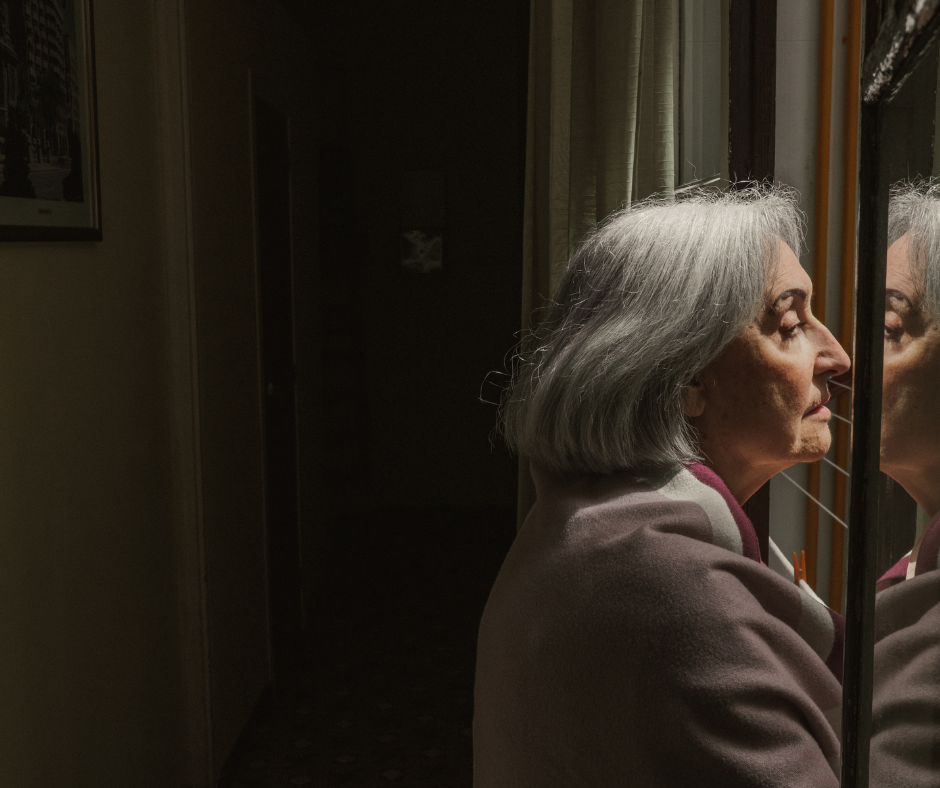
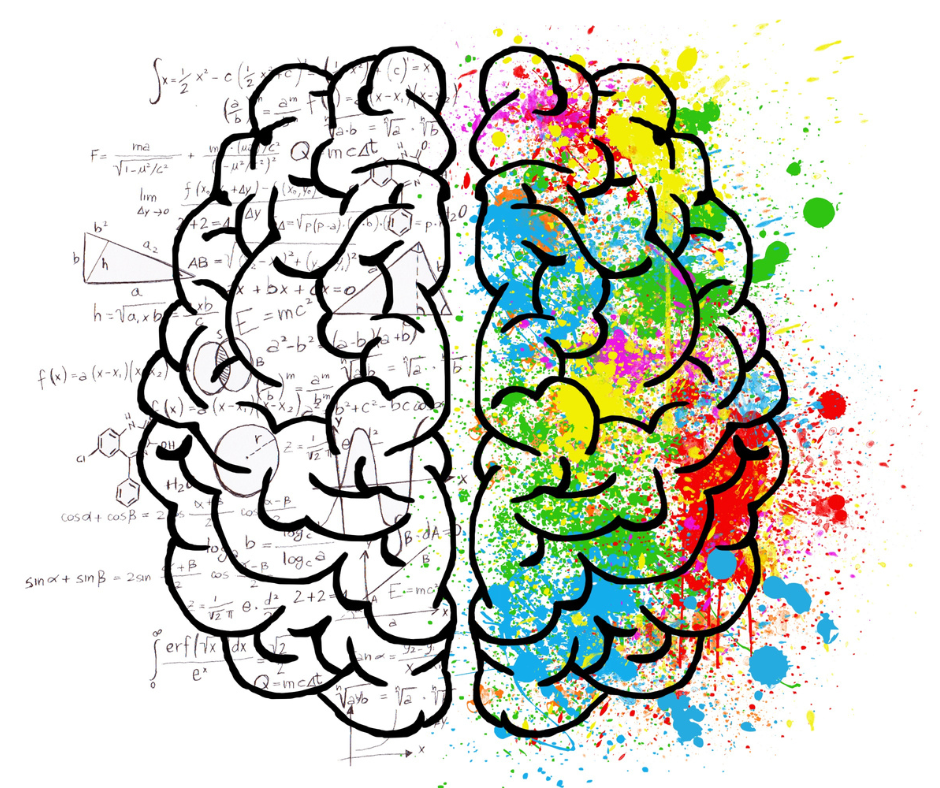
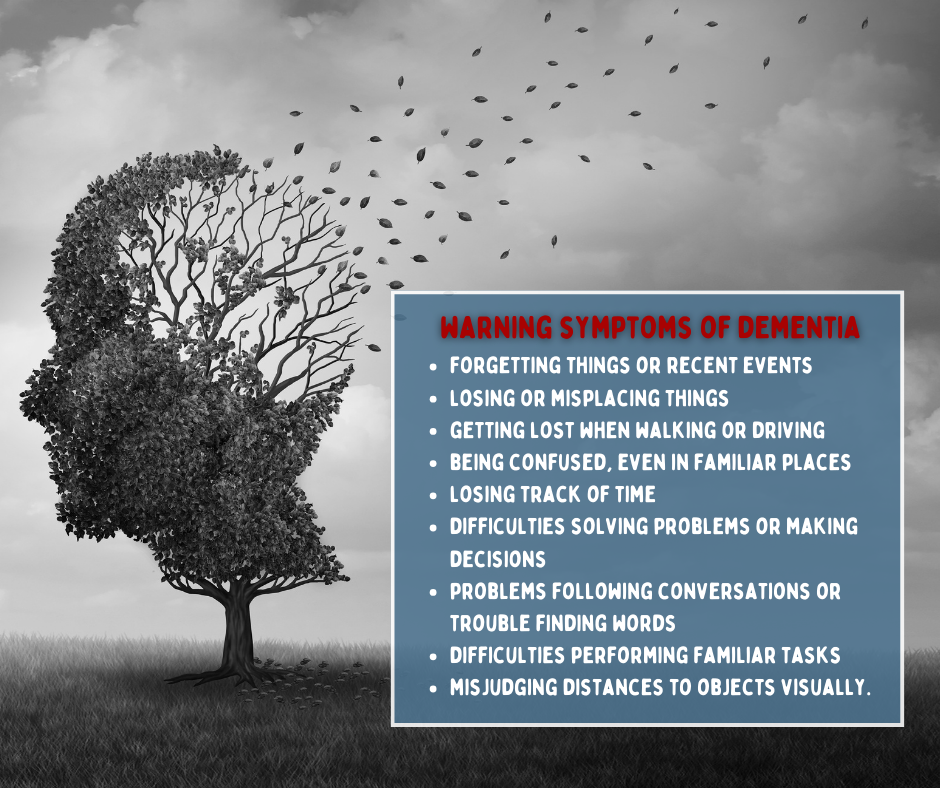
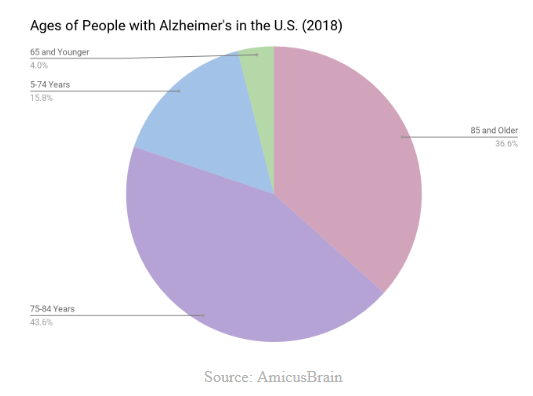
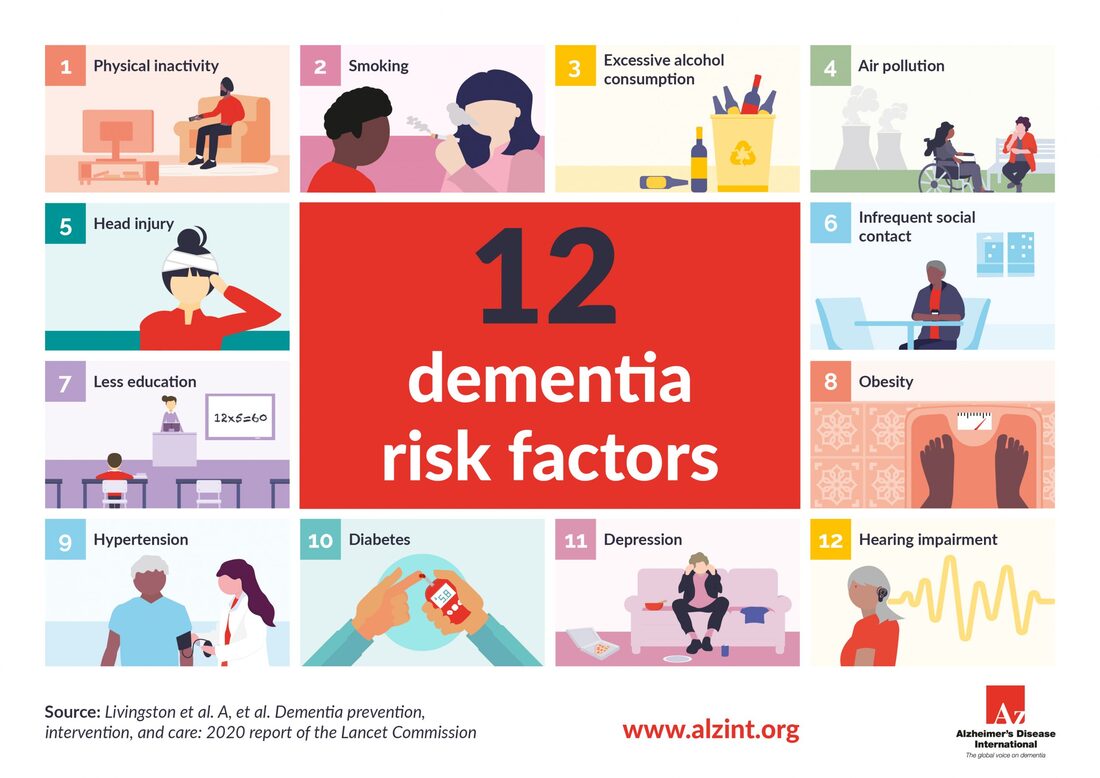
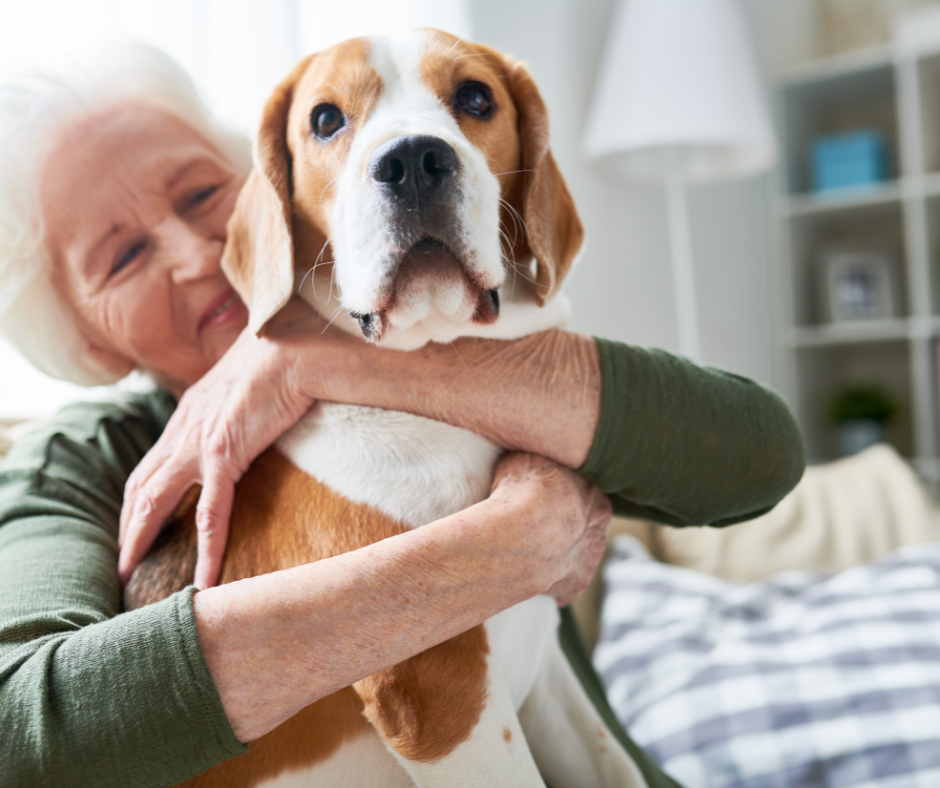
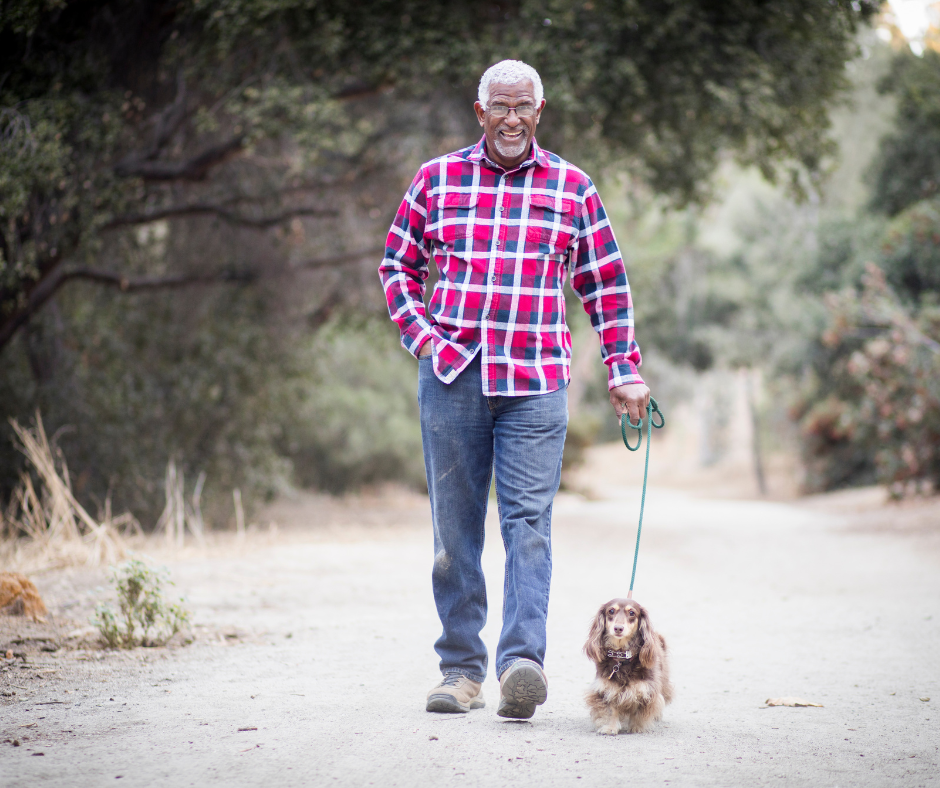
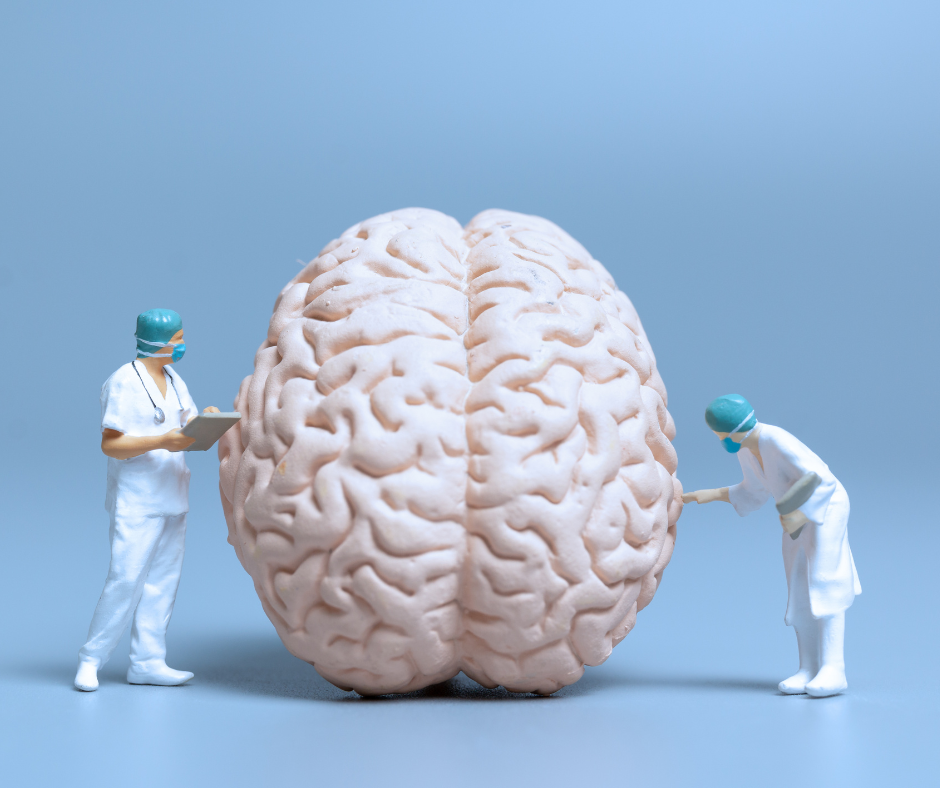
Declining rates of cognitive health have become a significant problem in the United States, with the Center for Disease Control recently describing it as a “public health crisis.” These disorders occur more commonly in seniors (65 or older), although a significant number of people will begin showing signs when they reach middle age (around 45 years). Overall, cognitive decline positively correlates to the natural effects of aging; the older we get the more at risk we are. Among seniors, those living alone are especially vulnerable. In response to the crisis, medical researchers have taken a multi-disciplinary approach, concluding that cognitive health emerges from a complex system of interrelated factors, which are influenced as much by lifestyle habits as by the kind of hardwired brain processes studied by neuroscientists. One tentative, but hopeful study recently found that owning a companion animal may mitigate or slow the effects of cognitive decline in the elderly, especially those who live alone. These findings add to an existing body of hard evidence that links the human-animal bond to improved physical and mental health, a fact that animal owners and lovers have been reporting anecdotally for years. This is one of the reasons PAWS/LA works to keep people and pets together. Read on to learn more about these encouraging conclusions. what is cognitive decline?Generally, cognitive health is a blanket term that refers to an individual’s ability to successfully translate brain signals into the mental and motor processes that facilitate standard adult functioning. This encompasses everything that the brain does—from regulating emotion to enabling us to move, breathe and learn new things. While the constituent components of cognitive health are not easily separated from each other, different specialists tend to focus on specific clusters of functioning. In the case of cognitive decline, and in contrast to mental health (feelings and behaviors), research is primarily interested in the objective mechanics of the mind-body link, considering processes such as speech, memory, coordination, motor functioning and the ability to count. When the breakdown of these abilities reaches a certain degree of severity, doctors will diagnose the individual with dementia. Dementia is a symptom of many disorders, the most prominent of which is Alzheimer’s, a disease that changes portions of brain tissue and weakens vital connections to other parts of the body. Although dementia and Alzheimer’s are often used interchangeably, it’s important to understand that the former is actually a symptom of the latter, and many other factors can influence the development of dementia. Patients afflicted with dementia, regardless of its source, often see a major decline in memory functioning, preventing them from recalling essential details about their lives. This is probably the dimension of the disease most prevalent in popular consciousness, frequently appearing in films, television shows and other expressions of culture. What begins as a pattern of frequently misplacing important items might soon advance to a point at which the individual no longer recognizes their loved ones, or place of residence, becoming confused and frightened by what they perceive as the presence of strange people in strange surroundings. As you’d expect, this is a harrowing experience for both the affected individual and their caregiver. In the most severe, yet tragically common, cases, the lack of basic cognitive functioning leads to premature death as the disease weakens the sufferer against other harmful health conditions and renders them unable to care for themselves. Currently, as many as 1 in 3 seniors will die from Alzheimer’s, a number greater than breast and prostate cancer combined. Not all forms of cognitive degeneration will appear so severe, and in many cases the general loss of functioning occurs gradually, beginning with what experts call Subjective Cognitive Decline (SCD). SCD precipitates the same cluster of symptoms as full-blown dementia, but with much less severity. As such, it often precedes a more serious diagnosis, and can act as a warning system, enabling patients and doctors to identify the potential problem in advance and implement preventative measures. The infographic below lists some of the early warning signs of cognitive decline. AN INTERNATIONAL CRISISRecent studies suggest that over 6 million Americans have Alzheimer’s. Worldwide, experts fear the total number of people afflicted by some kind of dementia will rise from 57 million (measured in 2019) to 153 million (predicted for 2050). These already staggering numbers are expected to grow further as life expectancies increase, and more people age into an at-risk demographic. In 2019 alone, cognitive decline cost global economies $1.3 trillion, with 50% of this attributed to the cost of caring for the afflicted. These costs are spread across society, absorbed by both private individuals caring for their families directly (or paying for an external form of care), and public health institutions and initiatives, already struggling within the budgetary limitations of their respective governments. Ultimately, patients suffering from Alzheimer’s or other forms of dementia are not easily managed. They require an average of 5 hours daily care, and many need to be closely monitored to mitigate the risk of harm to themselves or others. It is clear that preventative measures are urgently needed, beginning with an understanding of the disease and those it affects. DEMENTIA IS NOT AN EQUAL OPPORTUNITY DISORDERAccording to CDC figures, dementia does not affect all seniors equally. Those from low to middle-income nations make up 60% of worldwide cases, and within the United States, statistics show that black seniors are twice as likely to get Alzheimer’s as elderly whites; while older Hispanics develop the disease at half the rate of their Caucasian equivalents. Women too are disproportionately affected by forms of dementia, with almost 2/3s of American Alzheimer’s patients identifying as female, and 70% of care hours covered by women workers or caregivers. Overall, a lack of higher education, socio-economic hardship, and isolation from local communities drive up cases of dementia, as individuals within these categories are more likely to lack access to health and nutrition resources, advanced medical care, systemized forms of mental stimulation, and positive social interactions. Even poor air quality has been linked to rates of dementia, further emphasizing the connection between physical and mental health. PETS CAN HELPThere is much work to be done before we have a complete understanding of what might prevent various forms of dementia, but both existing data on possible causes, and several new studies, bode well for pet owners. Amongst other things, doctors advise those at risk to keep physically active, maintain social and community connections, and regularly stimulate their brain by trying new activities and learning new things. All these are habits that come naturally to pet owners. Walking a dog, for example, gets the individual moving, while interactions with other pet owners forge and strengthen community bonds. Even visits to the vet, while stressful, can help individuals stay connected to systems of empathy and support. Pet ownership also involves the kind of basic brain activity that strengthens cognitive functioning against decline. Keeping any kind of animal necessitates some kind of schedule, requiring the owner to remain organized as they cover grooming, feeding and other pet care essentials. In these cases, being able to remember what to do and when becomes essential, working out the memory “muscle” and guarding it against atrophy. Animal ownership might even involve a degree of learning, as the individual familiarizes themselves with the particulars of their pet's species or breed. Finally, as researchers see an increasing link between loneliness and dementia, the mere presence of another living creature in the home becomes an invaluable preventative measure. Many elderly pet owners describe talking to their pets, and openly sharing their troubles and concerns. Such carers report feeling a sense of sympathy and understanding from their animal, coupled with an attitude of complete non-judgement; pets provide a near perfect neutral sounding board for their owner’s troubles. BACKED UP BY SCIENCEFor years, the above observations remained mostly speculative, beginning anecdotally with pet owners eagerly espousing the many ways in which their animals positively influence their mental and physical health. In recent years, as our overall understanding of both the human brain and dementia have evolved, researchers are beginning to examine the possible benefits of pet ownership in a more systematic way. They have become increasingly able to back up their theories with hard data, taking common claims from speculation to somewhere closer to fact. In particular, the findings of a new study correlate pet ownership with higher levels of cognitive functioning, especially in seniors who live alone. Considering other factors that might have affected the participant’s cognitive health, this project “showed that long-term pet owners, on average, had a cognitive composite score that was 1.2 points higher at six years compared to non-pet owners” (American Academy of Neurology). Specifically, the participants displayed marked improvements in verbal memory, story memory and overall executive functioning. These findings were even more pronounced in the case of black pet owners. Even in those already suffering from dementia, scientists found that interactions with a dog or other pet precipitated a lessening of existing symptoms, likely because they increased the quality of social interaction within the care home setting. In many cases, the participants initially reported the high levels of social isolation associated with an elevated risk of dementia, many of them living alone without regular interactions with friends or family. Pet ownership mitigated these risks. Additionally, a sub-section of the project looked specifically at seniors who walked their dogs, finding additional improvements in such cases. These findings have undoubtedly validated existing ideas about the positive cognitive effects of pet ownership, adding much-needed hard data to back up observations already offered by both owners and scientists. By considering the “loneliness factor,” as well as dog-walking and other specific facets of pet care (as opposed to examining only the general act), researchers have been able to focus more precisely on what works, and why. However, the writers of the study caution that there is still work to be done. Not all of its findings are conclusive, and while the researcher’s methodology accounted for the presence of factors supportive of cognitive health, but unrelated to pet ownership, there’s still the possibility that such influences remained present in some form. Simply put, more research is needed, both to cover possible blind spots in the existing research, and to strengthen established findings with more extensive data. PETS ARE A NEED NOT A LUXURY: KEY TAKEAWAYSAnyone even vaguely familiar with our mission at PAWS/LA will understand why this dementia study is of such importance to us. Not only does it pertain to a segment of our core client base (seniors), but it speaks to a developing pattern of socio-scientific research that suggests pet ownership is objectively good for everyone. The facts extend beyond attempts to arrest cognitive decline. In a broader sense, the scientific link between the human-animal bond and individual health is going from strength to strength, with research showing that animals can help reduce blood pressure and improve cardiovascular health, as well as decrease symptoms of depression and anxiety, especially in military veterans. The science matters. It lends strength to the overall argument that people and animals are better together, making it more than just an opinion. There are those who still consider pet ownership a luxury, arguing that people struggling for resources shouldn’t have an animal; that their pet should be the first thing to go at times of hardship. To these people, pets are something we enjoy, not something that we need. This fundamentally erroneous belief underestimates the now measurable impact that service animals have on their owners’ lives. While they might not occupy the same level of necessity as food and water—elements without which a person will die--animals are far from a luxury item. For years, our clients have been describing their pets as a lifeline, a reason for living; some would (and have) even given up shelter to keep their animal in cases when the only available housing refused to allow pets. Scientific studies vindicate all these points, drawing a hard line between pet ownership and an individual’s health. They add an objective, measurable dimension to subjective arguments, freeing them from a reliance on individual testimony alone. Science gives us a way to prove the potential physical and mental damage done to those separated from their pets, or denied animal companionship to begin with. This strengthens the advocacy position of organizations like PAWS/LA, and gives our friends and allies an invaluable legal argument for protective housing laws and policies; it potentially increases the scope of what can be considered a service animal, and broadens social and medical attitudes towards animal assisted therapies; it may even make the government think more carefully about the resources it's willing to allocate to pet owners in need. While there’s still a lot of work to be done, the more data we have, the harder it will be for opposing parties to argue that the human-animal bond is incidental to the overall health of society. For seniors, animal ownership is proving a powerful tool in the fight against dementia and other forms of cognitive decline. For the rest of us, it’s yet another reason to seriously consider the benefits of a society in which pet ownership is available to all, regardless of their physical or economic status. |
AUTHORSOur blog is managed by Ryan Hilary with additional contributions from our awesome volunteers and supporters. Are you a member of our community and have a great idea for a post (or maybe want to write one yourself?). Reach out to [email protected]. Archives
June 2026
Categories
All
|
PAWS/LA
150 W. 24th Street
Los Angeles, CA 90007 Tel: 213.741.1950 Fax: 213.741.1640 [email protected] www.pawsla.org |
Quick Links
|
Stay In Touch
|
Give A GiftFederal Tax ID#: 95-4178092

|