
People and Pets... Better Together!
|
Declining rates of cognitive health have become a significant problem in the United States, with the Center for Disease Control recently describing it as a “public health crisis.” These disorders occur more commonly in seniors (65 or older), although a significant number of people will begin showing signs when they reach middle age (around 45 years). Overall, cognitive decline positively correlates to the natural effects of aging; the older we get the more at risk we are. Among seniors, those living alone are especially vulnerable. In response to the crisis, medical researchers have taken a multi-disciplinary approach, concluding that cognitive health emerges from a complex system of interrelated factors, which are influenced as much by lifestyle habits as by the kind of hardwired brain processes studied by neuroscientists. One tentative, but hopeful study recently found that owning a companion animal may mitigate or slow the effects of cognitive decline in the elderly, especially those who live alone. These findings add to an existing body of hard evidence that links the human-animal bond to improved physical and mental health, a fact that animal owners and lovers have been reporting anecdotally for years. This is one of the reasons PAWS/LA works to keep people and pets together. Read on to learn more about these encouraging conclusions.  Photo by mike marchetti what is cognitive decline?Generally, cognitive health is a blanket term that refers to an individual’s ability to successfully translate brain signals into the mental and motor processes that facilitate standard adult functioning. This encompasses everything that the brain does—from regulating emotion to enabling us to move, breathe and learn new things. While the constituent components of cognitive health are not easily separated from each other, different specialists tend to focus on specific clusters of functioning. In the case of cognitive decline, and in contrast to mental health (feelings and behaviors), research is primarily interested in the objective mechanics of the mind-body link, considering processes such as speech, memory, coordination, motor functioning and the ability to count. When the breakdown of these abilities reaches a certain degree of severity, doctors will diagnose the individual with dementia. Dementia is a symptom of many disorders, the most prominent of which is Alzheimer’s, a disease that changes portions of brain tissue and weakens vital connections to other parts of the body. Although dementia and Alzheimer’s are often used interchangeably, it’s important to understand that the former is actually a symptom of the latter, and many other factors can influence the development of dementia. 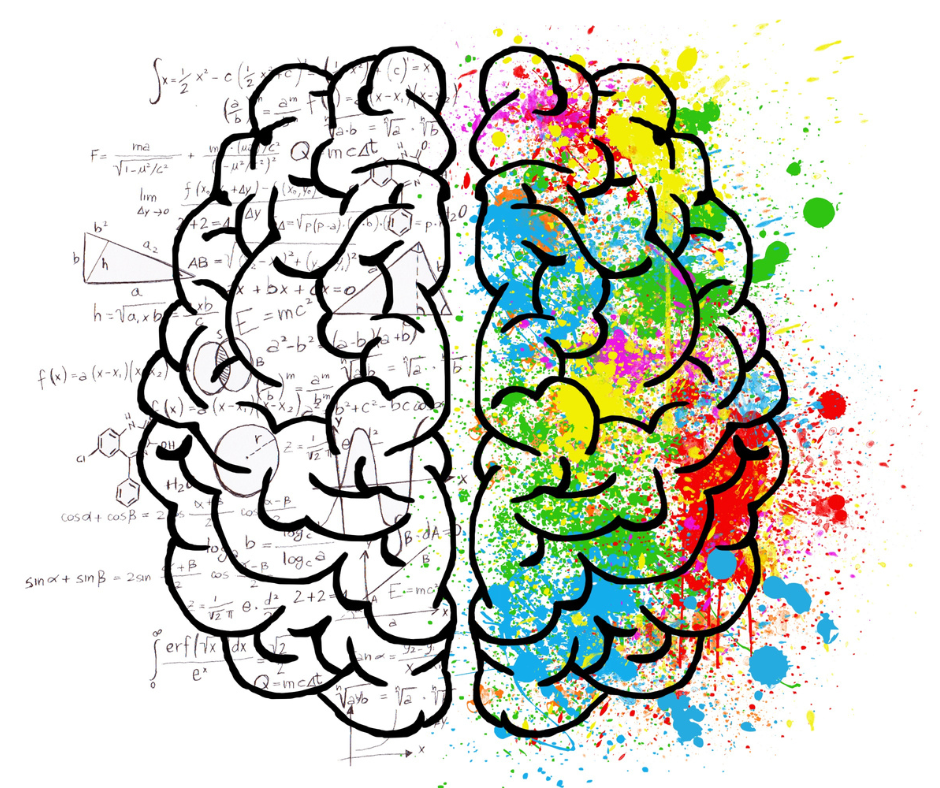 Patients afflicted with dementia, regardless of its source, often see a major decline in memory functioning, preventing them from recalling essential details about their lives. This is probably the dimension of the disease most prevalent in popular consciousness, frequently appearing in films, television shows and other expressions of culture. What begins as a pattern of frequently misplacing important items might soon advance to a point at which the individual no longer recognizes their loved ones, or place of residence, becoming confused and frightened by what they perceive as the presence of strange people in strange surroundings. As you’d expect, this is a harrowing experience for both the affected individual and their caregiver. In the most severe, yet tragically common, cases, the lack of basic cognitive functioning leads to premature death as the disease weakens the sufferer against other harmful health conditions and renders them unable to care for themselves. Currently, as many as 1 in 3 seniors will die from Alzheimer’s, a number greater than breast and prostate cancer combined. Not all forms of cognitive degeneration will appear so severe, and in many cases the general loss of functioning occurs gradually, beginning with what experts call Subjective Cognitive Decline (SCD). SCD precipitates the same cluster of symptoms as full-blown dementia, but with much less severity. As such, it often precedes a more serious diagnosis, and can act as a warning system, enabling patients and doctors to identify the potential problem in advance and implement preventative measures. The infographic below lists some of the early warning signs of cognitive decline. 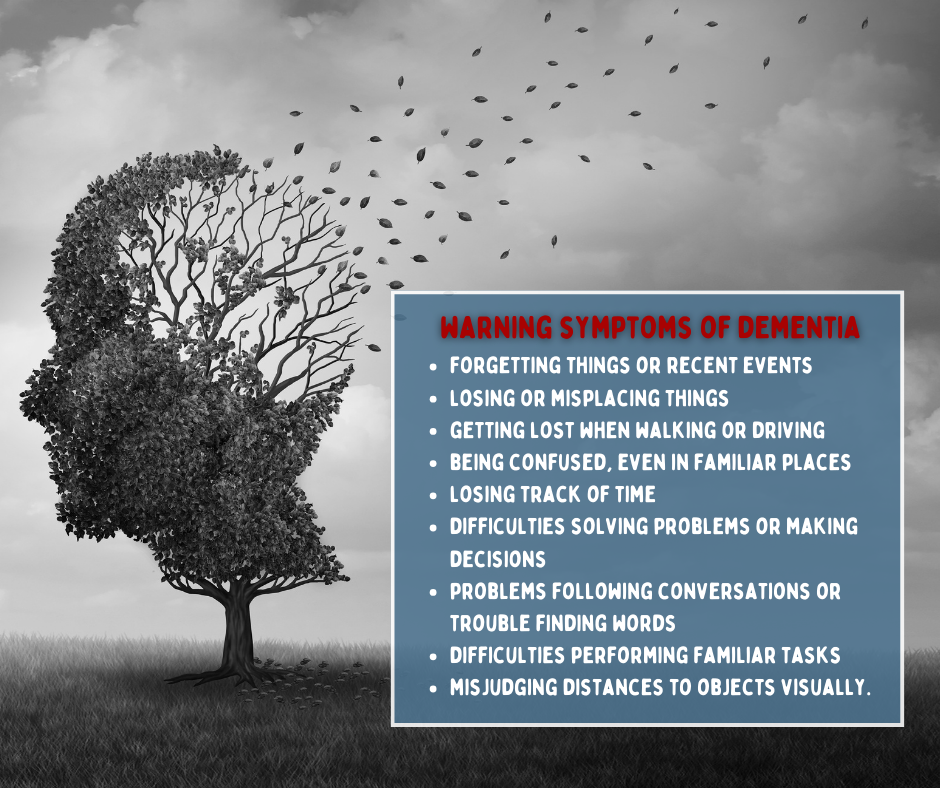 Graphic by Ryan Hilary for PAWS/LA AN INTERNATIONAL CRISISRecent studies suggest that over 6 million Americans have Alzheimer’s. Worldwide, experts fear the total number of people afflicted by some kind of dementia will rise from 57 million (measured in 2019) to 153 million (predicted for 2050). These already staggering numbers are expected to grow further as life expectancies increase, and more people age into an at-risk demographic. In 2019 alone, cognitive decline cost global economies $1.3 trillion, with 50% of this attributed to the cost of caring for the afflicted. These costs are spread across society, absorbed by both private individuals caring for their families directly (or paying for an external form of care), and public health institutions and initiatives, already struggling within the budgetary limitations of their respective governments. Ultimately, patients suffering from Alzheimer’s or other forms of dementia are not easily managed. They require an average of 5 hours daily care, and many need to be closely monitored to mitigate the risk of harm to themselves or others. It is clear that preventative measures are urgently needed, beginning with an understanding of the disease and those it affects. 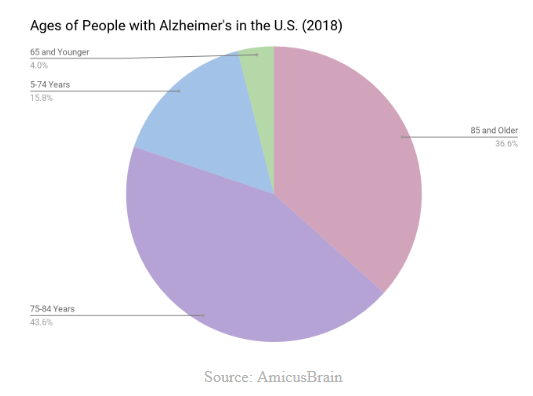 DEMENTIA IS NOT AN EQUAL OPPORTUNITY DISORDERAccording to CDC figures, dementia does not affect all seniors equally. Those from low to middle-income nations make up 60% of worldwide cases, and within the United States, statistics show that black seniors are twice as likely to get Alzheimer’s as elderly whites; while older Hispanics develop the disease at half the rate of their Caucasian equivalents. Women too are disproportionately affected by forms of dementia, with almost 2/3s of American Alzheimer’s patients identifying as female, and 70% of care hours covered by women workers or caregivers. Overall, a lack of higher education, socio-economic hardship, and isolation from local communities drive up cases of dementia, as individuals within these categories are more likely to lack access to health and nutrition resources, advanced medical care, systemized forms of mental stimulation, and positive social interactions. Even poor air quality has been linked to rates of dementia, further emphasizing the connection between physical and mental health. 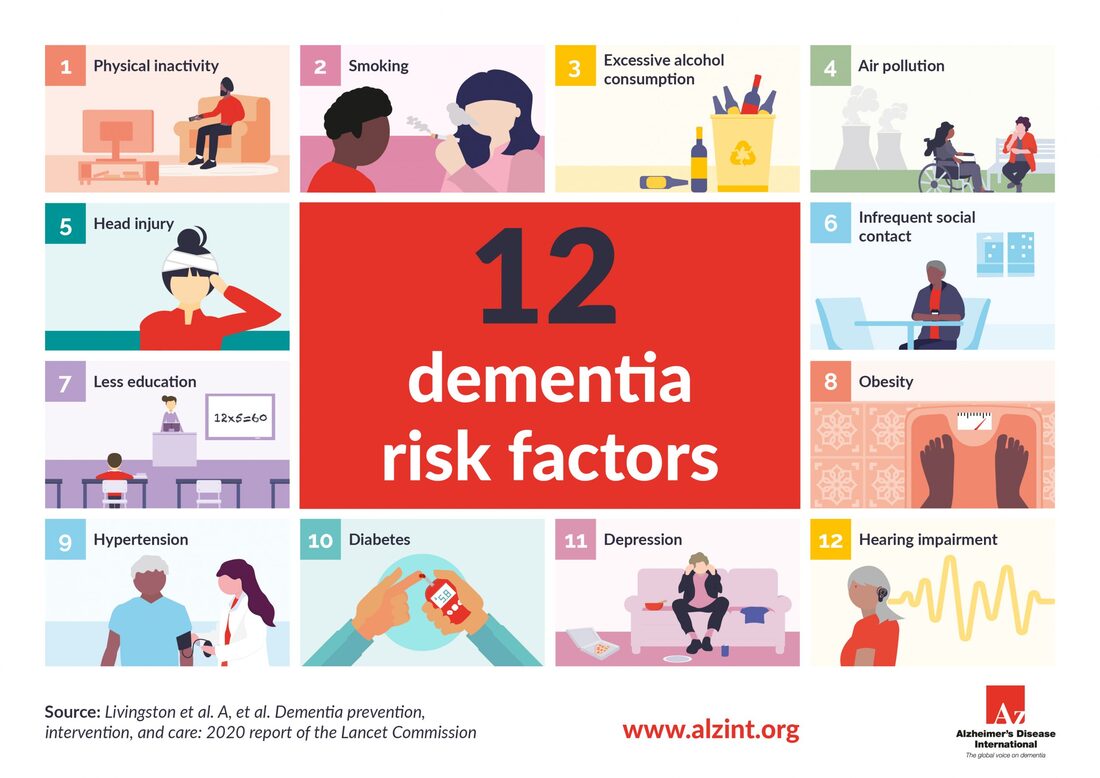 PETS CAN HELPThere is much work to be done before we have a complete understanding of what might prevent various forms of dementia, but both existing data on possible causes, and several new studies, bode well for pet owners. Amongst other things, doctors advise those at risk to keep physically active, maintain social and community connections, and regularly stimulate their brain by trying new activities and learning new things. All these are habits that come naturally to pet owners. Walking a dog, for example, gets the individual moving, while interactions with other pet owners forge and strengthen community bonds. Even visits to the vet, while stressful, can help individuals stay connected to systems of empathy and support. Pet ownership also involves the kind of basic brain activity that strengthens cognitive functioning against decline. Keeping any kind of animal necessitates some kind of schedule, requiring the owner to remain organized as they cover grooming, feeding and other pet care essentials. In these cases, being able to remember what to do and when becomes essential, working out the memory “muscle” and guarding it against atrophy. Animal ownership might even involve a degree of learning, as the individual familiarizes themselves with the particulars of their pet's species or breed. Finally, as researchers see an increasing link between loneliness and dementia, the mere presence of another living creature in the home becomes an invaluable preventative measure. Many elderly pet owners describe talking to their pets, and openly sharing their troubles and concerns. Such carers report feeling a sense of sympathy and understanding from their animal, coupled with an attitude of complete non-judgement; pets provide a near perfect neutral sounding board for their owner’s troubles. 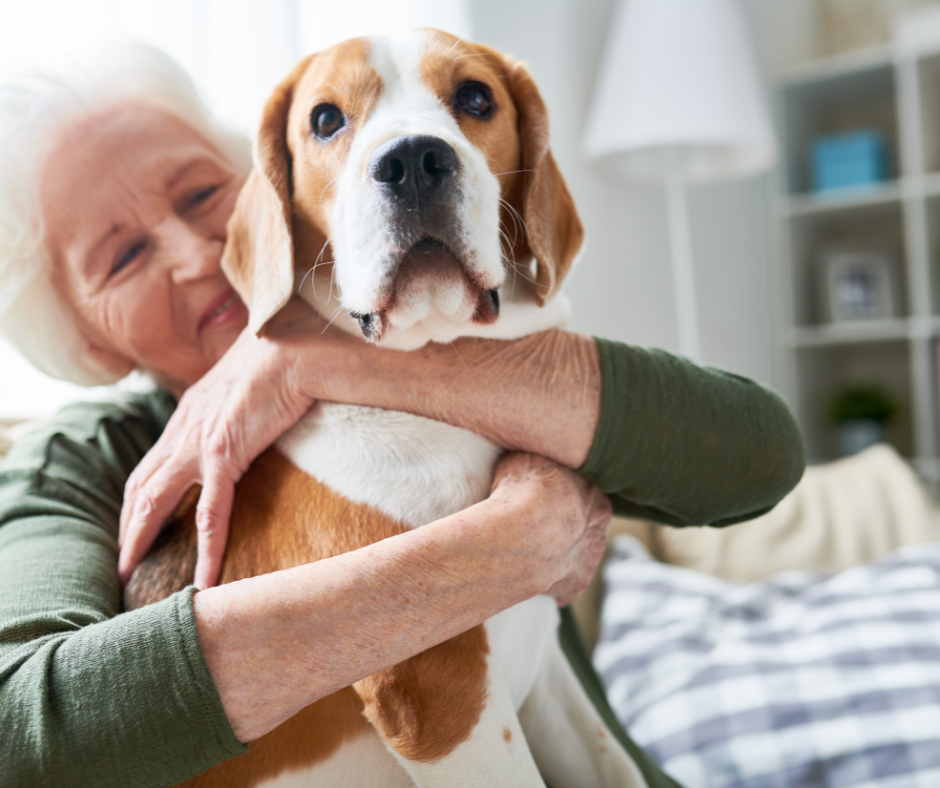 BACKED UP BY SCIENCEFor years, the above observations remained mostly speculative, beginning anecdotally with pet owners eagerly espousing the many ways in which their animals positively influence their mental and physical health. In recent years, as our overall understanding of both the human brain and dementia have evolved, researchers are beginning to examine the possible benefits of pet ownership in a more systematic way. They have become increasingly able to back up their theories with hard data, taking common claims from speculation to somewhere closer to fact. In particular, the findings of a new study correlate pet ownership with higher levels of cognitive functioning, especially in seniors who live alone. Considering other factors that might have affected the participant’s cognitive health, this project “showed that long-term pet owners, on average, had a cognitive composite score that was 1.2 points higher at six years compared to non-pet owners” (American Academy of Neurology). Specifically, the participants displayed marked improvements in verbal memory, story memory and overall executive functioning. These findings were even more pronounced in the case of black pet owners. Even in those already suffering from dementia, scientists found that interactions with a dog or other pet precipitated a lessening of existing symptoms, likely because they increased the quality of social interaction within the care home setting. In many cases, the participants initially reported the high levels of social isolation associated with an elevated risk of dementia, many of them living alone without regular interactions with friends or family. Pet ownership mitigated these risks. Additionally, a sub-section of the project looked specifically at seniors who walked their dogs, finding additional improvements in such cases. 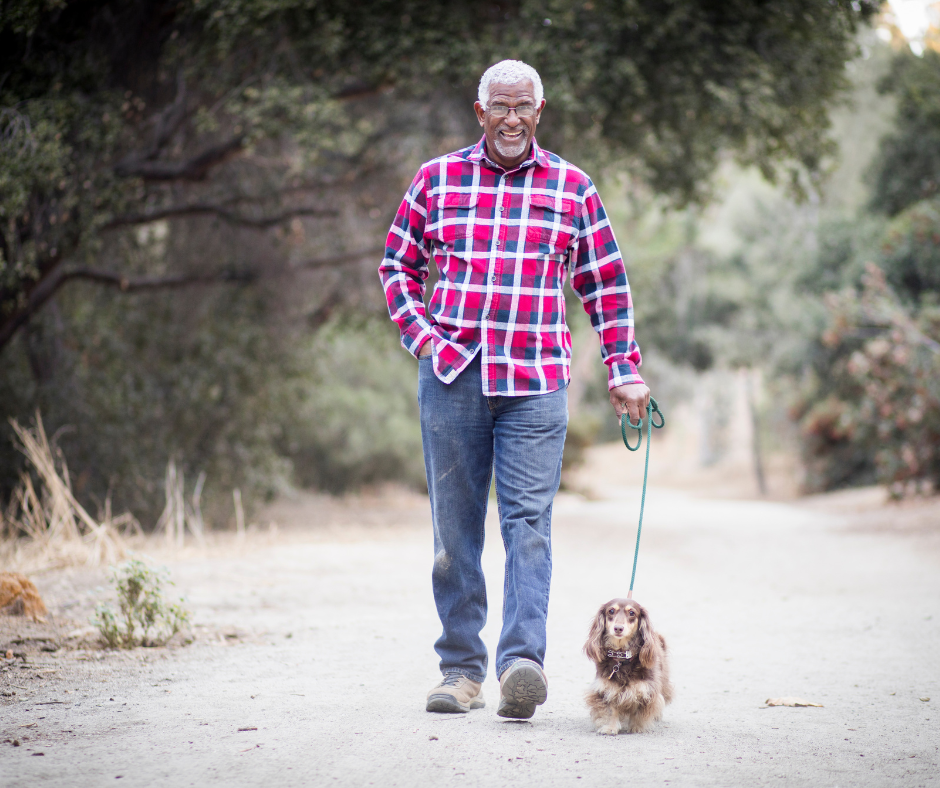 These findings have undoubtedly validated existing ideas about the positive cognitive effects of pet ownership, adding much-needed hard data to back up observations already offered by both owners and scientists. By considering the “loneliness factor,” as well as dog-walking and other specific facets of pet care (as opposed to examining only the general act), researchers have been able to focus more precisely on what works, and why. However, the writers of the study caution that there is still work to be done. Not all of its findings are conclusive, and while the researcher’s methodology accounted for the presence of factors supportive of cognitive health, but unrelated to pet ownership, there’s still the possibility that such influences remained present in some form. Simply put, more research is needed, both to cover possible blind spots in the existing research, and to strengthen established findings with more extensive data.  PETS ARE A NEED NOT A LUXURY: KEY TAKEAWAYSAnyone even vaguely familiar with our mission at PAWS/LA will understand why this dementia study is of such importance to us. Not only does it pertain to a segment of our core client base (seniors), but it speaks to a developing pattern of socio-scientific research that suggests pet ownership is objectively good for everyone. The facts extend beyond attempts to arrest cognitive decline. In a broader sense, the scientific link between the human-animal bond and individual health is going from strength to strength, with research showing that animals can help reduce blood pressure and improve cardiovascular health, as well as decrease symptoms of depression and anxiety, especially in military veterans. The science matters. It lends strength to the overall argument that people and animals are better together, making it more than just an opinion. There are those who still consider pet ownership a luxury, arguing that people struggling for resources shouldn’t have an animal; that their pet should be the first thing to go at times of hardship. To these people, pets are something we enjoy, not something that we need. This fundamentally erroneous belief underestimates the now measurable impact that service animals have on their owners’ lives. While they might not occupy the same level of necessity as food and water—elements without which a person will die--animals are far from a luxury item. For years, our clients have been describing their pets as a lifeline, a reason for living; some would (and have) even given up shelter to keep their animal in cases when the only available housing refused to allow pets. Scientific studies vindicate all these points, drawing a hard line between pet ownership and an individual’s health. They add an objective, measurable dimension to subjective arguments, freeing them from a reliance on individual testimony alone. Science gives us a way to prove the potential physical and mental damage done to those separated from their pets, or denied animal companionship to begin with. This strengthens the advocacy position of organizations like PAWS/LA, and gives our friends and allies an invaluable legal argument for protective housing laws and policies; it potentially increases the scope of what can be considered a service animal, and broadens social and medical attitudes towards animal assisted therapies; it may even make the government think more carefully about the resources it's willing to allocate to pet owners in need. While there’s still a lot of work to be done, the more data we have, the harder it will be for opposing parties to argue that the human-animal bond is incidental to the overall health of society. For seniors, animal ownership is proving a powerful tool in the fight against dementia and other forms of cognitive decline. For the rest of us, it’s yet another reason to seriously consider the benefits of a society in which pet ownership is available to all, regardless of their physical or economic status. |
AUTHORSOur blog is managed by Ryan Hilary with additional contributions from our awesome volunteers and supporters. Are you a member of our community and have a great idea for a post (or maybe want to write one yourself?). Reach out to [email protected]. Archives
May 2024
Categories
All
|
PAWS/LA
150 W. 24th Street
Los Angeles, CA 90007 Tel: 213.741.1950 Fax: 213.741.1640 [email protected] www.pawsla.org |
Quick Links
|
Stay In Touch
|
Give A Gift
Federal Tax ID#: 95-4178092
|
|
 RSS Feed